
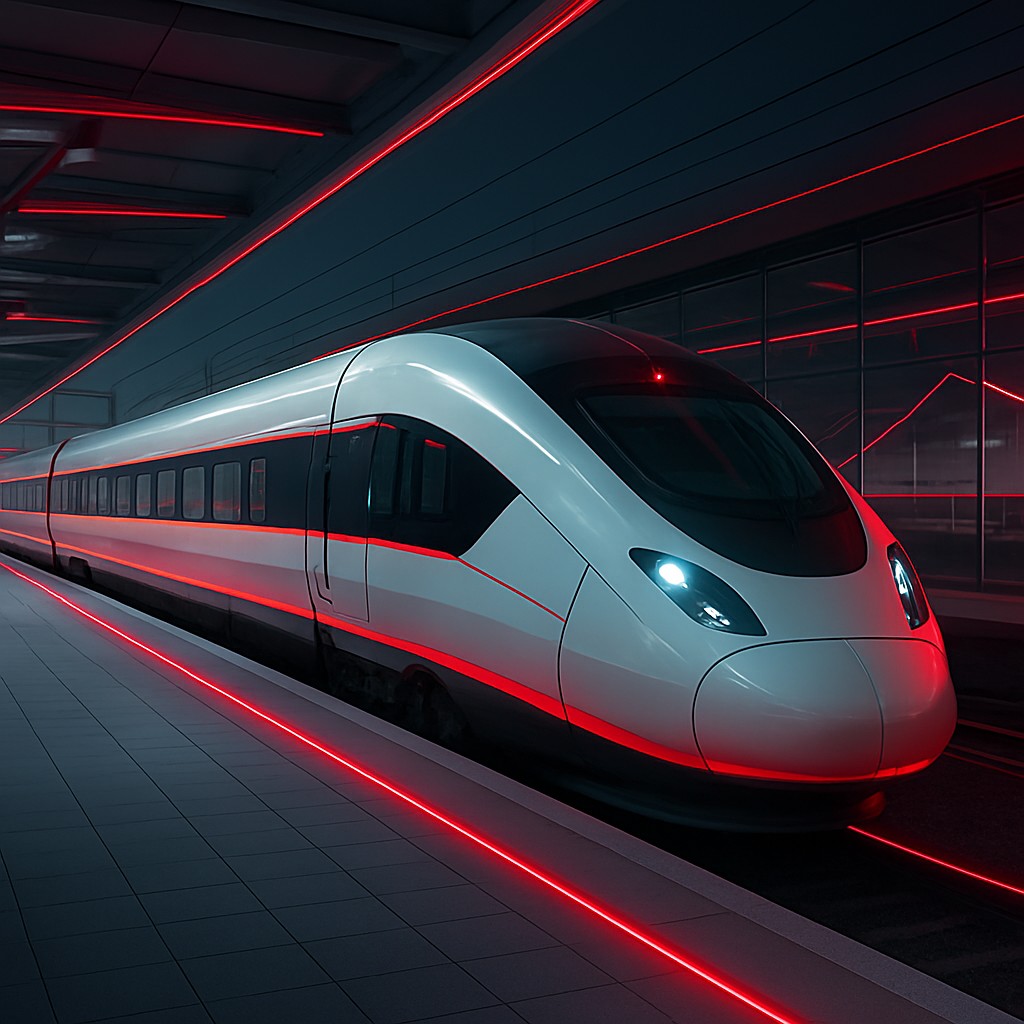
A Nation Built on Rail Connectivity
The Netherlands is home to one of the most intensively used and reliable railway networks in the world. With a compact geography and high population density, the country has invested heavily in rail as a cornerstone of its transport system. Trains connect major cities, regional towns, and international destinations with impressive frequency and punctuality, making rail the preferred mode of travel for millions of daily commuters and visitors alike.
Dutch rail travel is characterized by its efficiency, integration, and accessibility. The widespread OV-chipkaart and contactless payment systems, seamless connections with buses and trams, and clear passenger information all contribute to a smooth experience. The network's density means that few places in the country are far from a station, reinforcing the central role of rail in Dutch mobility.
Leading Railway Operators
At the heart of the network is Nederlandse Spoorwegen (NS), the principal national passenger operator. NS runs the majority of intercity and sprinter services across the country, connecting major hubs such as Amsterdam, Rotterdam, The Hague, Utrecht, and Eindhoven. Renowned for its reliability and extensive coverage, NS is the backbone of Dutch rail travel and also operates premium NS International services.
For international high-speed travel, Eurostar, which now incorporates the former Thalys services, connects the Netherlands with Belgium, France, and Germany via fast, comfortable trains. The ICE services operated in cooperation with Deutsche Bahn link Dutch cities directly with destinations in Germany, offering efficient cross-border connectivity for business and leisure travelers.
Regional rail is served by several dedicated operators. Arriva runs numerous regional train services, particularly in the north, east, and south of the country, and is valued for its reliable local connectivity. Connexxion, part of Transdev, and Qbuzz operate regional rail concessions in various provinces, complementing their bus services and ensuring comprehensive coverage of smaller towns and rural areas.
Keolis operates regional train services in the eastern Netherlands, contributing to the diversity of the rail landscape. For freight, DB Cargo and the Dutch rail freight specialists move substantial volumes of goods across the country and into Europe, supporting the nation's role as a logistics hub. The infrastructure itself is managed by ProRail, which maintains tracks, signaling, and stations to keep the network running smoothly.
What Makes Dutch Rail Exceptional
Several qualities define the excellence of Dutch railway operators. High frequency is a standout feature, with many routes offering trains every ten to fifteen minutes during peak hours, reducing the need to consult timetables for major journeys. Punctuality is consistently strong, supported by sophisticated infrastructure management and operational coordination.
Integration is another key strength. Tickets and payment methods work seamlessly across operators and connecting modes, while stations serve as multimodal hubs linking trains with buses, trams, metros, bicycles, and taxis. This cohesion makes door-to-door journeys remarkably convenient, encouraging more people to choose rail over private cars.
Comfort, Accessibility, and Technology
Modern Dutch trains prioritize passenger comfort and accessibility. Many services feature spacious seating, quiet zones, power outlets, and onboard facilities, while ongoing fleet renewal introduces newer, more comfortable carriages. Accessibility for travelers with reduced mobility is a priority, with adapted facilities at stations and assistance services available.
Technology enhances the experience further. Real-time travel information, journey planning apps, and digital ticketing make navigating the network straightforward. Passengers can check live departure times, plan multimodal routes, and receive disruption alerts, all of which contribute to a stress-free travel experience.
Exploring the Country by Train
For visitors, the Dutch rail network is one of the most enjoyable ways to discover the country. Within a single day, travelers can journey from the canals of Amsterdam to the modern architecture of Rotterdam, the political heart of The Hague, and the historic center of Utrecht, all connected by frequent, comfortable trains. Scenic routes pass through classic Dutch scenery of windmills, polders, and waterways, turning the journey itself into part of the experience. Many popular attractions, including museums, beaches, and historic towns, sit within easy walking distance of railway stations, and rental bicycles available at major stations make onward travel effortless. This seamless accessibility means tourists can leave the car behind entirely and rely on rail to explore the country efficiently and sustainably.
Sustainability and the Future of Dutch Rail
Rail is central to the Netherlands' sustainability ambitions. Dutch passenger trains have been powered by renewable electricity, making rail one of the greenest ways to travel. Continued investment in network capacity, new rolling stock, and improved cross-border connections reflects a commitment to making rail even more attractive in the years ahead.
Future developments include enhanced international high-speed links, expanded regional services, and ongoing infrastructure upgrades to accommodate growing demand. These initiatives aim to strengthen rail's role as a sustainable, efficient alternative to road and air travel within the country and across Europe.
Final Thoughts
The railway operators highlighted here collectively deliver one of the finest rail experiences in Europe. From the comprehensive national services of NS to high-speed international connections and reliable regional operators, Dutch rail travel offers speed, comfort, sustainability, and seamless integration. For commuters, business travelers, and tourists alike, the Netherlands' railway network stands as a model of how rail can serve as the dependable backbone of a modern, connected nation.
