
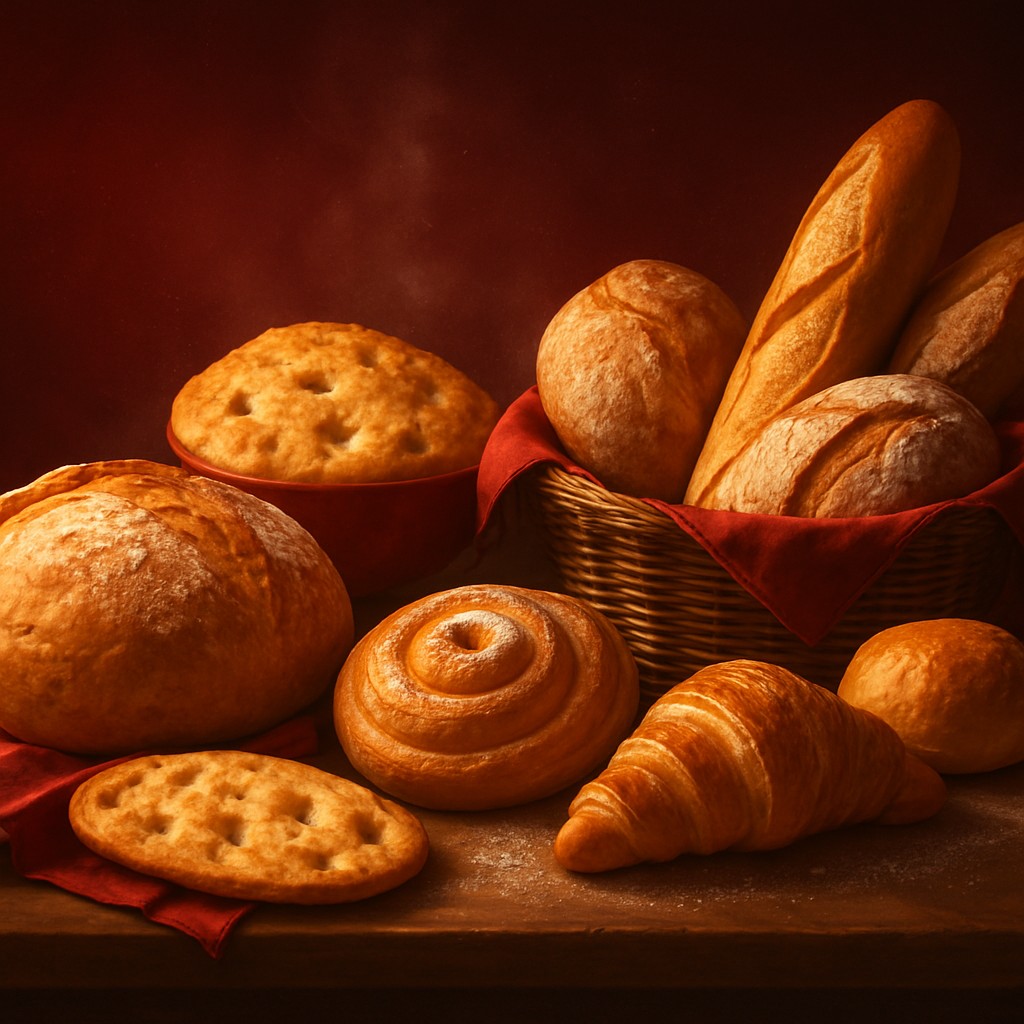
A Rich Tradition of Baking
Baking holds a cherished place in Somali culture, where freshly made breads and pastries accompany meals, celebrations, and daily life. From the bustling markets of Mogadishu to the neighborhoods of Hargeisa and beyond, bakeries fill the air with enticing aromas and serve communities with beloved staples. The country's best bakeries blend time-honored traditions with contemporary tastes, creating offerings that delight customers of all ages.
Somali baking reflects a fascinating fusion of influences, drawing on Arab, Indian, Italian, and East African culinary traditions. This rich heritage is evident in the variety of breads and sweets found in Somali bakeries, each carrying its own history and significance. The bakeries that excel honor these traditions while continually innovating to satisfy evolving palates.
The Heart of Somali Bread Culture
Bread is central to the Somali diet, and bakeries are essential to daily life. Among the most beloved offerings is muufo, a traditional flatbread baked in a clay oven and often enjoyed with stews or honey. Soft, fluffy rolls and loaves influenced by Italian baking traditions are also popular, reflecting historical connections.
Sambusa, the savory filled pastry enjoyed especially during Ramadan, and various sweet treats round out the typical bakery offering. These items are not merely food but cultural touchstones, woven into family gatherings, religious observances, and everyday hospitality. The bakeries that prepare them well hold a special place in their communities.
What Makes a Top Bakery
The finest bakeries in Somalia distinguish themselves through quality, consistency, and care. The freshness of ingredients and the skill of the bakers are paramount, producing breads and pastries with the right texture, flavor, and appearance. Consistency matters greatly, as customers return again and again expecting the same delicious results.
Cleanliness and hygiene are essential, reflecting respect for customers and ensuring food safety. Friendly service and a welcoming atmosphere enhance the experience, turning a simple purchase into a pleasant ritual. The best bakeries also offer variety, catering to different tastes and occasions while maintaining the quality of every item they produce.
Blending Tradition and Innovation
While traditional offerings form the foundation of Somali bakeries, the most successful establishments also embrace innovation. They introduce new flavors, experiment with international styles, and respond to changing customer preferences. Cakes for celebrations, modern pastries, and creative confections appear alongside the classics, broadening the appeal of the bakery.
This balance of tradition and innovation keeps bakeries relevant and exciting. Customers appreciate being able to enjoy familiar favorites while also discovering new treats. Bakeries that strike this balance well build loyal followings and become beloved fixtures in their communities.
The Role of Bakeries in Community Life
Bakeries in Somalia are more than businesses; they are gathering places and community anchors. People stop by daily to purchase fresh bread, chat with neighbors, and enjoy a moment of warmth and familiarity. During Ramadan and festive occasions, bakeries become especially busy, supplying the special foods that mark these important times.
This communal role gives bakeries cultural significance beyond their commercial function. They contribute to the rhythm and texture of daily life, and the best of them earn deep affection from the communities they serve. Their success is intertwined with the well-being and happiness of their neighborhoods.
Supporting Local Economies
Bakeries also play an important economic role, creating jobs and supporting local supply chains. They employ bakers, assistants, and salespeople, providing livelihoods for many families. They purchase flour, sugar, and other ingredients from suppliers, contributing to a network of economic activity that extends well beyond the bakery itself.
As entrepreneurial ventures, bakeries exemplify the resilience and initiative that characterize the Somali economy. Many are family businesses passed down through generations, embodying both commercial enterprise and cultural continuity. Their growth and success contribute to the vibrancy of local communities.
Challenges Faced by Bakeries
Running a bakery in Somalia involves real challenges. The cost and reliability of ingredients, energy for ovens, and equipment can be significant concerns. Power instability complicates baking operations, and competition is often fierce. Maintaining consistent quality amid these pressures requires skill and dedication.
The best bakeries navigate these challenges through careful management, strong supplier relationships, and unwavering commitment to quality. Their ability to deliver delicious products reliably, despite difficult conditions, is a testament to the determination of their owners and staff. This perseverance is part of what makes Somali bakeries so admirable.
Celebrating Somali Bakeries
The bakeries of Somalia represent a beautiful blend of culinary tradition, entrepreneurial spirit, and community service. They nourish bodies and spirits alike, providing the breads and sweets that accompany life's daily moments and special occasions. The finest among them combine quality, consistency, and care with a deep respect for tradition and an openness to innovation.
As Somalia continues to develop and its cities grow, the demand for quality baked goods will only increase. The bakeries that lead will be those that honor their heritage while embracing the future, delighting customers with every loaf and pastry. These establishments deserve celebration for the warmth, flavor, and community they bring to Somali life.
