
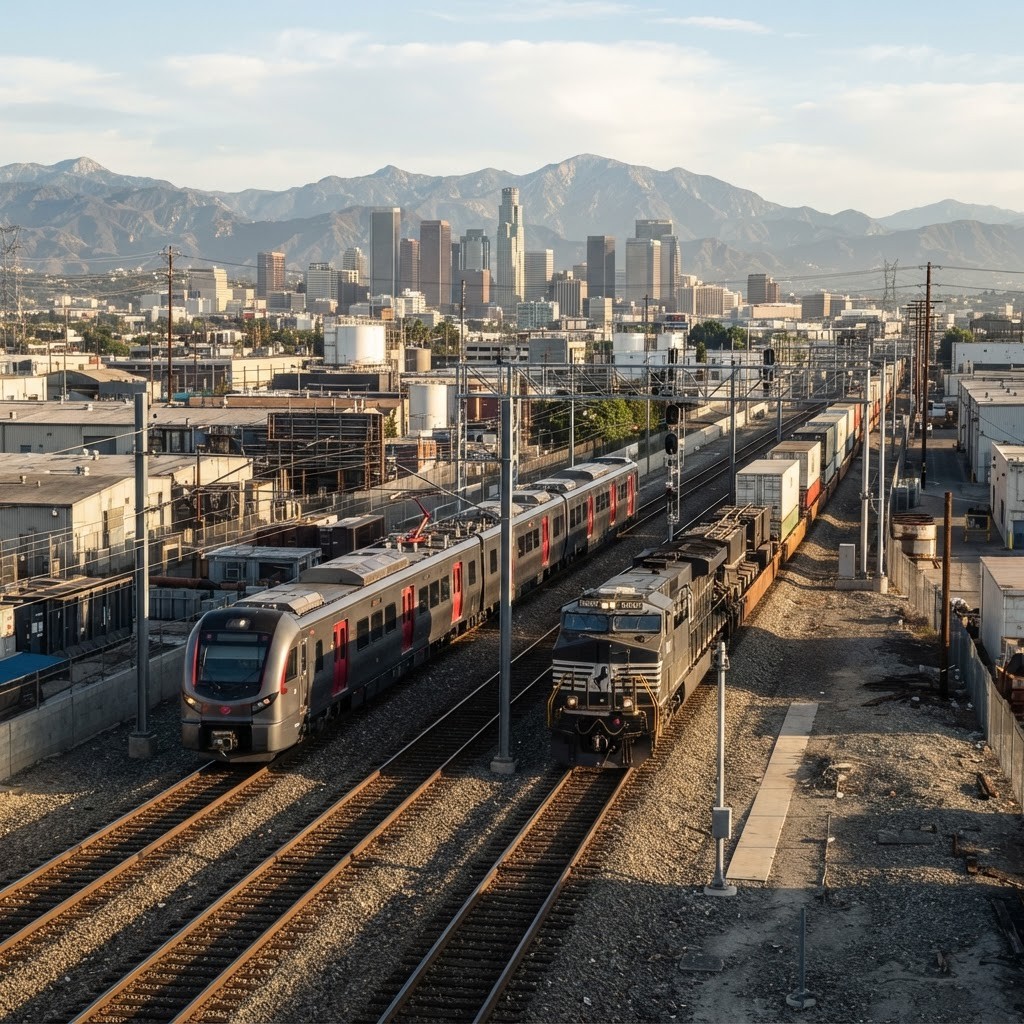
Understanding Rail in Greater Los Angeles
Rail transportation in Los Angeles is more diverse than many visitors expect. Urban light rail and subway lines carry local riders, commuter trains connect surrounding counties, intercity services link California and the nation, and freight railroads move cargo from the country’s busiest port complex. Because some services are publicly managed and others privately operated, this list uses railway operator in a practical sense: organizations that run or oversee meaningful train service in the Los Angeles market.
1. LA Metro Rail
LA Metro operates the region’s subway and light-rail network, linking Downtown Los Angeles with areas such as Santa Monica, Long Beach, Pasadena, East Los Angeles, and the San Fernando Valley. Ongoing expansion is improving connections to major destinations and the airport area. Frequent urban service, integrated fares, and transfers to an extensive bus network are principal strengths. Riders should consult current service information because construction and maintenance can affect late-night or weekend travel.
2. Metrolink
Metrolink is Southern California’s regional commuter-rail system, serving Los Angeles, Orange, Riverside, San Bernardino, Ventura, and northern San Diego counties. Union Station functions as its central hub. The system is valuable for longer-distance commuting and leisure trips where driving would involve congested freeways. Bicycle accommodation and connections with local transit broaden its usefulness. Frequency varies substantially by line and day, so advance schedule planning is essential.
3. Amtrak
Amtrak operates intercity and long-distance passenger trains from Los Angeles Union Station. The Pacific Surfliner provides a scenic coastal corridor, while long-distance trains connect Los Angeles with destinations across the West and beyond. Spacious seating, onboard restrooms, and the ability to move during the trip distinguish rail from buses and air travel. Amtrak works best for travelers who value comfort and central-city arrivals, though long-distance schedules can be vulnerable to delays.
4. Union Pacific Railroad
Union Pacific is one of the two major Class I freight railroads serving Southern California. It carries international containers, automobiles, agricultural products, industrial materials, and other goods between the Los Angeles gateway and markets across the western United States. Its intermodal terminals are critical links in national supply chains. For businesses, Union Pacific is most relevant through intermodal and bulk-shipping arrangements coordinated with logistics providers rather than direct consumer service.
5. BNSF Railway
BNSF Railway operates an extensive freight network connecting the Los Angeles and Long Beach ports with inland hubs and major markets. The railroad is particularly important for containerized intermodal freight moving toward the Midwest and beyond. Investments in terminals, track capacity, and operational technology support large cargo volumes. Importers and exporters often access BNSF through ocean carriers, drayage companies, and third-party logistics firms that coordinate the complete move.
6. Pacific Harbor Line
Pacific Harbor Line provides switching services across the ports of Los Angeles and Long Beach. Although less visible to the public than major railroads, it performs a crucial role by assembling trains and transferring railcars between marine terminals and the national freight networks. Its specialized harbor operations help reduce truck trips and keep cargo moving through a constrained industrial area. Deep local expertise is its defining advantage.
7. Angels Flight Railway
Angels Flight is a historic funicular in Downtown Los Angeles connecting Hill Street with California Plaza. Its route is short, but its cultural importance and distinctive orange-and-black cars make it one of the city’s most recognizable rail experiences. It serves residents, workers, and tourists navigating the steep slope of Bunker Hill. Angels Flight is best understood as both practical micro-transit and a preserved piece of Los Angeles history.
8. Fillmore & Western Railway
The Fillmore & Western name has long been associated with heritage rail experiences and film production in Ventura County, within reach of Los Angeles travelers. Regional heritage operations can change over time, but the area’s vintage equipment and railroad landscapes remain significant to enthusiasts and production companies. This type of operator differs from commuter service by focusing on excursions, events, education, and screen-industry support rather than daily transportation.
9. Southern California Regional Rail Authority
The Southern California Regional Rail Authority is the public agency behind Metrolink, responsible for governance, planning, capital investment, and coordination among member counties. Including the authority separately helps explain that regional rail depends on more than train crews: infrastructure, safety systems, station improvements, and service planning all require multi-county leadership. Its work shapes the reliability and future growth of commuter rail throughout the Los Angeles region.
10. Los Angeles Junction Railway
Los Angeles Junction Railway is a short-line freight railroad serving industrial customers in the Vernon and Commerce area. As a switching carrier, it connects local facilities with larger rail networks and supports businesses that rely on carload freight. Short lines are essential because they provide the first and last rail miles that national carriers may not directly serve. Local industrial knowledge and responsive switching are its main differentiators.
Choosing the Right Rail Service
Passengers should compare station access, frequency, transfer requirements, fare rules, luggage needs, and last-train times. A route that looks direct on a map may run infrequently, while a Metro-to-Metrolink connection may require separate planning. Freight shippers should evaluate terminal proximity, drayage cost, equipment availability, cargo volume, and whether intermodal or carload service fits the product. Rail offers important environmental and congestion benefits, but it is most effective when schedules and first-mile connections are carefully coordinated. Together, these operators demonstrate how rail supports both everyday mobility and the enormous commercial flows that define Los Angeles.
