
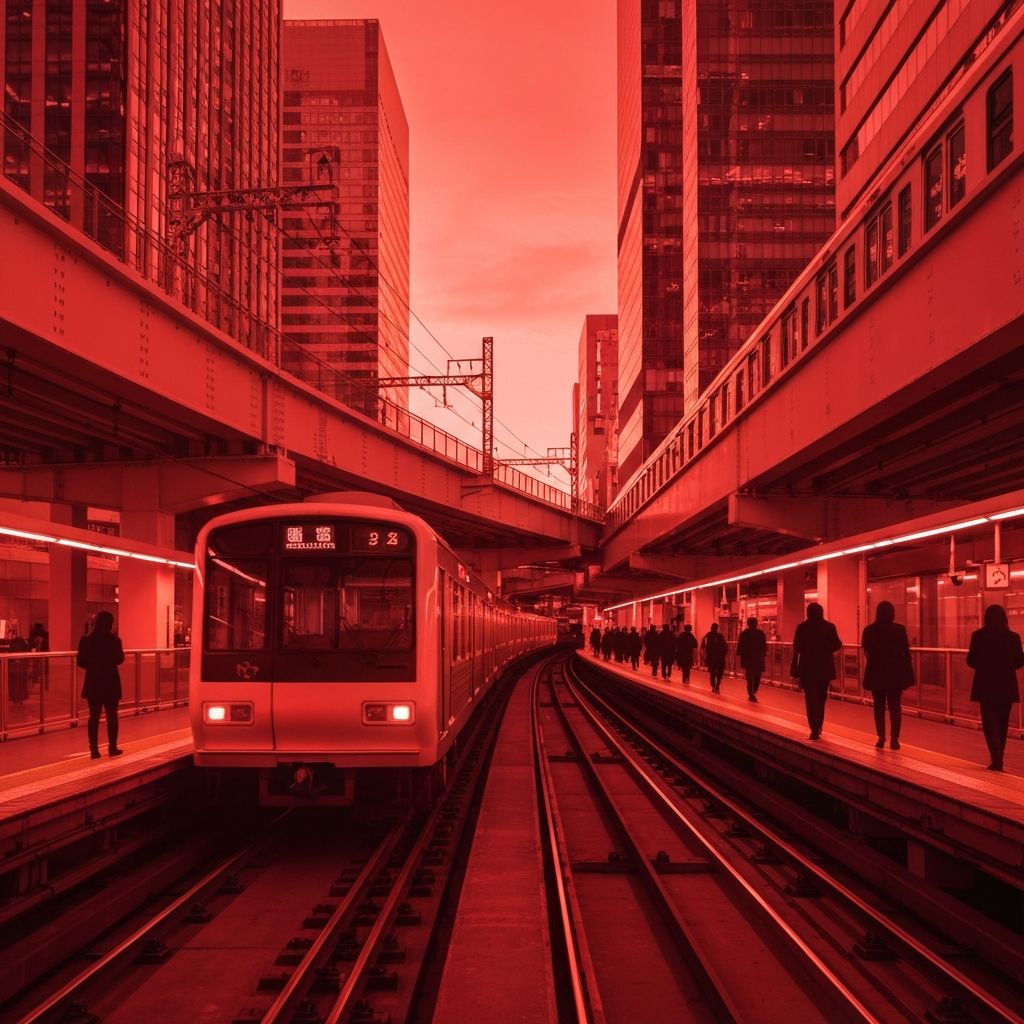
The World's Most Efficient Transit Systems
Japan's public transit is widely admired as one of the most efficient, punctual, and well-organized in the world. Subways, commuter trains, monorails, trams, and city buses operate in tightly coordinated networks, often within seconds of their published schedules. For residents and visitors alike, transit is more than transportation - it is part of the country's cultural fabric.
The integration of IC cards such as Suica, Pasmo, and ICOCA allows travelers to move seamlessly between operators and modes. Stations double as retail and dining destinations, and accessibility features ensure that the system serves elderly passengers, parents with strollers, and travelers with disabilities.
Tokyo Metro
Tokyo Metro operates nine subway lines that crisscross the heart of the capital. With ultra-frequent service, multilingual signage, and constant upgrades, it is the backbone of daily life for millions. Its stations integrate with shopping malls, museums, and office complexes.
Toei Subway
Toei Subway, operated by the Tokyo Metropolitan Government, complements Tokyo Metro with four additional subway lines. Together, the two networks ensure comprehensive subway coverage. Toei also operates the Toden Arakawa tram line and a wide bus network.
Osaka Metro
Osaka Metro provides extensive subway coverage throughout Japan's second-largest urban region. With distinctive line colors, multilingual support, and ongoing modernization including AI-driven crowd management, it is a model of regional transit excellence.
Yokohama Municipal Subway
Yokohama Municipal Subway operates two key subway lines connecting central Yokohama to surrounding suburbs. It plays a critical role in supporting commuters and visitors traveling between Yokohama and Tokyo's metropolitan area.
Kyoto Municipal Subway
Kyoto's two-line subway network supports daily commuting and tourism in the historic capital. Combined with extensive bus services, it allows visitors to explore temples, shrines, and cultural landmarks with ease.
Nagoya Municipal Subway
Nagoya Municipal Subway connects key districts in central Japan's largest city. With six lines and seamless integration with private railways and buses, it is the lifeline of daily transport in the Chubu region.
Fukuoka City Subway
Fukuoka City Subway provides efficient transit across Japan's Kyushu gateway city. Known for clean stations, smart fare gates, and integration with JR Kyushu services, it is an excellent example of efficient mid-size city transit.
Sapporo Municipal Subway
Sapporo Municipal Subway operates three lines in northern Japan's largest city. Famously built with rubber-tired trains for smooth winter operation, it offers a distinctive ride and is a key part of the city's snow-resilient transit ecosystem.
Hiroshima Electric Railway (Hiroden)
Hiroshima Electric Railway, known as Hiroden, operates one of Japan's most beloved tram systems. With historic and modern streetcars running across the city and out to Miyajima, it offers both daily transit and a touch of nostalgic charm.
Toden Arakawa Line
The Toden Arakawa Line is Tokyo's only remaining surface tram, running through nostalgic neighborhoods in the city's northeast. It offers an affordable, scenic, and culturally rich way to explore older parts of Tokyo.
Why Japan's Transit Stands Out
Several factors make Japan's transit systems truly world-class. Punctuality is treated as a serious operational metric. Stations are spotlessly clean, with attendants who take pride in their work. Accessibility upgrades, multilingual support, and advanced fare systems make the network usable by everyone. Real-time information apps and station signage help reduce stress for travelers.
Tips for Riders
Visitors are encouraged to purchase an IC card like Suica or Pasmo to enjoy seamless travel across trains, subways, buses, and even some taxis and shops. Avoiding peak rush hours is wise in big cities, and observing local etiquette such as silent phone use and orderly queueing makes the experience smoother for everyone.
The Future of Public Transit
Japan's transit operators continue to invest in automation, accessibility, and sustainability. Driverless trains, solar-powered stations, and integrated mobility-as-a-service platforms are emerging across the country. As Japan adapts to aging populations and tourism growth, public transit will remain a model of efficiency, comfort, and innovation.
