
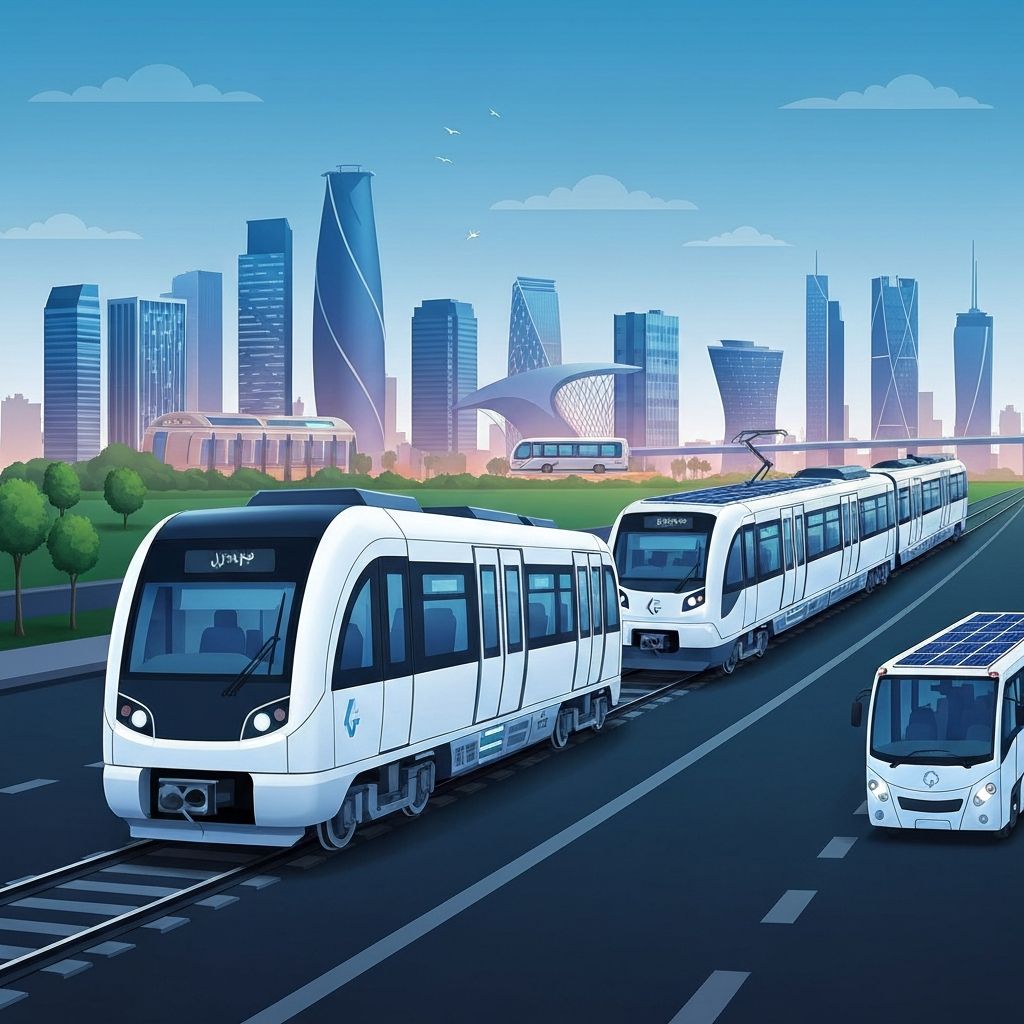
Urban Mobility in Iran
With several large cities including Tehran, Mashhad, Isfahan, Shiraz, Tabriz, and Karaj, Iran has developed extensive public transit networks to manage daily commuter demand. These systems combine metros, bus rapid transit (BRT), regular buses, and taxis to provide affordable, efficient mobility for residents and visitors alike.
1. Tehran Metro
Tehran Metro is the largest metro system in the Middle East by number of stations and ridership. With multiple lines crisscrossing the capital, it carries millions of passengers daily. Modern trains, air-conditioned cars, and dedicated women's sections make it a comfortable choice for commuters.
2. Tehran BRT
The Tehran Bus Rapid Transit system operates on dedicated lanes across multiple corridors. Articulated buses run frequently along busy routes, providing a fast alternative to congested street traffic.
3. Mashhad Urban Railway
Mashhad's metro system is one of the busiest outside Tehran, connecting key residential areas with the city center and the shrine of Imam Reza, a major destination for millions of pilgrims each year.
4. Isfahan Metro
Isfahan Metro serves the historic city's growing transport needs, linking universities, tourist sites, and residential neighborhoods. The system is praised for its modern stations and clean trains.
5. Shiraz Metro
Shiraz Metro provides a smooth commute across the cultural capital of Iran, offering tourists and locals easy access to major attractions, shopping districts, and educational institutions.
6. Tabriz Metro
Tabriz Metro is steadily expanding to cover key corridors of the northwestern city, easing traffic congestion and providing efficient connections for commuters.
7. Tehran Taxi Organization
The Tehran Taxi Organization manages official orange and yellow taxis across the capital, offering both shared and private services with regulated fares and identifiable vehicles.
8. Karaj BRT and Bus Network
As one of Iran's most populous suburbs, Karaj operates a dedicated BRT line and an extensive bus network connecting residential districts to commercial centers and to Tehran's transit system.
9. Snapp and Tapsi
While not traditional public transit, ride-hailing apps Snapp and Tapsi have become essential parts of urban mobility in Iran. They offer affordable rides on demand, integrate digital payments, and reduce reliance on private cars.
10. Qom Urban Transit
Qom's transit network combines buses and growing metro infrastructure to support both daily commuters and the city's significant religious tourism flow.
Affordability and Accessibility
Public transit fares in Iran are heavily subsidized, making metros and buses among the most affordable in the region. Smart card systems such as the Tehran Metro and Bus card streamline payments across modes, and accessibility for elderly and disabled passengers continues to improve with elevators, ramps, and reserved seating.
The Road Ahead
Major investments are planned to expand metro lines in Tehran, Mashhad, and Isfahan, and to introduce electric and hybrid buses to reduce emissions. Combined with the growing role of ride-hailing apps, Iran's public transit ecosystem is becoming more integrated, sustainable, and convenient for urban residents and visitors.
