
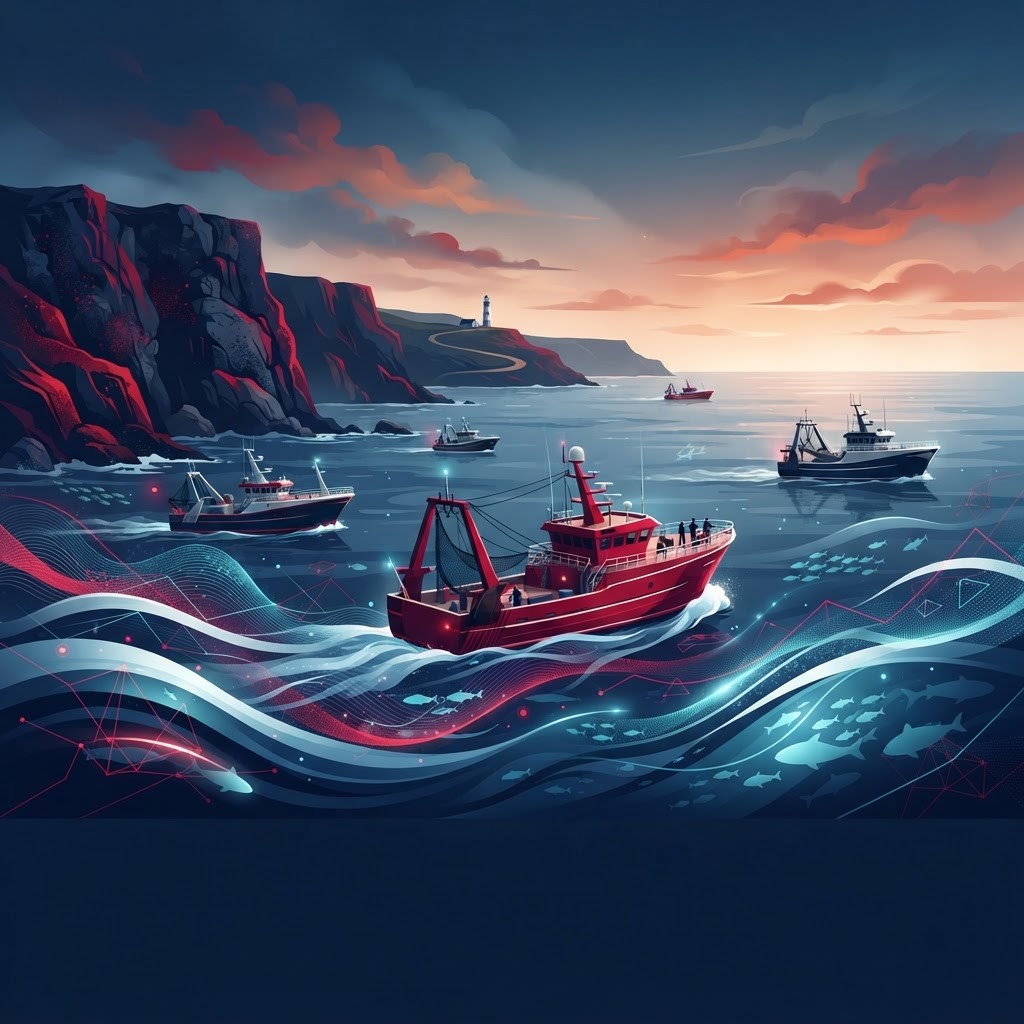
Ireland's Rich Seafood Heritage
Surrounded by the Atlantic Ocean and the Irish Sea, Ireland has built one of Europe's most respected seafood industries. From the rugged coastlines of Donegal to the sheltered harbours of West Cork, fishing has sustained communities for generations. Today the sector blends deep-rooted tradition with modern processing, cold-chain logistics and a growing commitment to sustainable practices. Irish seafood is prized internationally for its freshness, traceability and the clean, cold waters from which it is harvested.
The companies below represent the very best of Irish fisheries, spanning wild-caught whitefish, shellfish, pelagic species and artisan smoked products. Each has contributed to the industry's reputation for excellence and responsible sourcing.
1. Sofrimar
Based in County Wexford, Sofrimar is one of Ireland's leading seafood processors, specialising in shellfish such as brown crab, whelk and lobster. The company has invested heavily in state-of-the-art processing facilities and exports to markets across Europe and Asia. Its focus on quality control and cold-chain integrity has made it a trusted name for premium Irish shellfish.
2. Errigal Bay
Operating out of County Donegal, Errigal Bay is a specialist in crab and shellfish products. The company sources from Ireland's north-west coast and processes its catch into a range of ready-to-cook and retail-ready formats. Errigal Bay is known for meticulous grading standards and long-standing relationships with fishing crews.
3. Kish Fish
A family-run business supplying restaurants, hotels and retailers across Dublin and the east coast, Kish Fish has become synonymous with reliability and fresh daily deliveries. Their wet fish counter and wholesale operation are highly regarded within the Irish hospitality trade for consistency and breadth of product range.
4. Keohane Seafoods
Headquartered in Bantry, County Cork, Keohane Seafoods is one of the fastest-growing seafood processors in Ireland. The company supplies fresh, frozen and value-added fish to major retailers throughout Ireland and the United Kingdom. Its modern facilities and emphasis on innovation have earned it numerous industry awards.
5. Castletownbere Fishermen's Co-Op
Located in one of Ireland's most important whitefish ports, this co-operative represents the interests of local fishermen and manages the landing, grading and sale of significant volumes of catch. The co-op model ensures fair returns for members while maintaining the high standards buyers expect.
6. Shellfish de la Mer
Also based in Castletownbere, Shellfish de la Mer specialises in premium crab and lobster products. The company processes wild-caught shellfish from the surrounding Atlantic waters and exports internationally, with a reputation for delicate handling and exceptional flavour.
7. Union Hall Smoked Fish
This West Cork artisan producer has become a benchmark for traditionally smoked salmon and other seafood. Union Hall Smoked Fish combines time-honoured smoking techniques with careful sourcing, producing products favoured by discerning chefs and delicatessens.
8. Ummera Smokehouse
A boutique smokehouse in County Cork, Ummera is celebrated for its organic smoked salmon and slow-cured products. The company's small-batch approach and dedication to natural methods have won it a loyal following among food lovers seeking authenticity.
9. Woodstown Bay Shellfish
Specialising in oysters and mussels cultivated in the pristine waters of the south-east, Woodstown Bay Shellfish supplies both domestic and export markets. The company's aquaculture expertise reflects Ireland's growing strength in sustainable shellfish farming.
10. Atlantis Seafoods
Rounding out the list, Atlantis Seafoods provides a diverse range of fresh and frozen products to wholesale and retail customers. With a strong logistics network and commitment to freshness, the company plays an important role in bringing Irish seafood to tables nationwide.
Industry Trends and Sustainability
The Irish fishery sector is increasingly defined by sustainability. Quota management, selective gear, and certification schemes are helping protect fish stocks for future generations. Traceability has become a key differentiator, with buyers demanding full transparency from catch to plate. Aquaculture, particularly shellfish and salmon farming, continues to expand as a complement to wild fisheries.
Value-added processing is another major trend, as companies move beyond raw exports to create convenient, retail-ready products that command higher margins. Investment in refrigeration, packaging and export logistics has strengthened Ireland's position in competitive European markets.
Conclusion
Ireland's fishery companies combine natural advantages with skilled craftsmanship and modern business practices. Whether harvesting wild Atlantic shellfish, cultivating oysters, or smoking salmon using generations-old methods, these businesses uphold the country's reputation for world-class seafood. For buyers seeking quality, provenance and sustainability, Ireland's leading fisheries offer an outstanding choice.
