
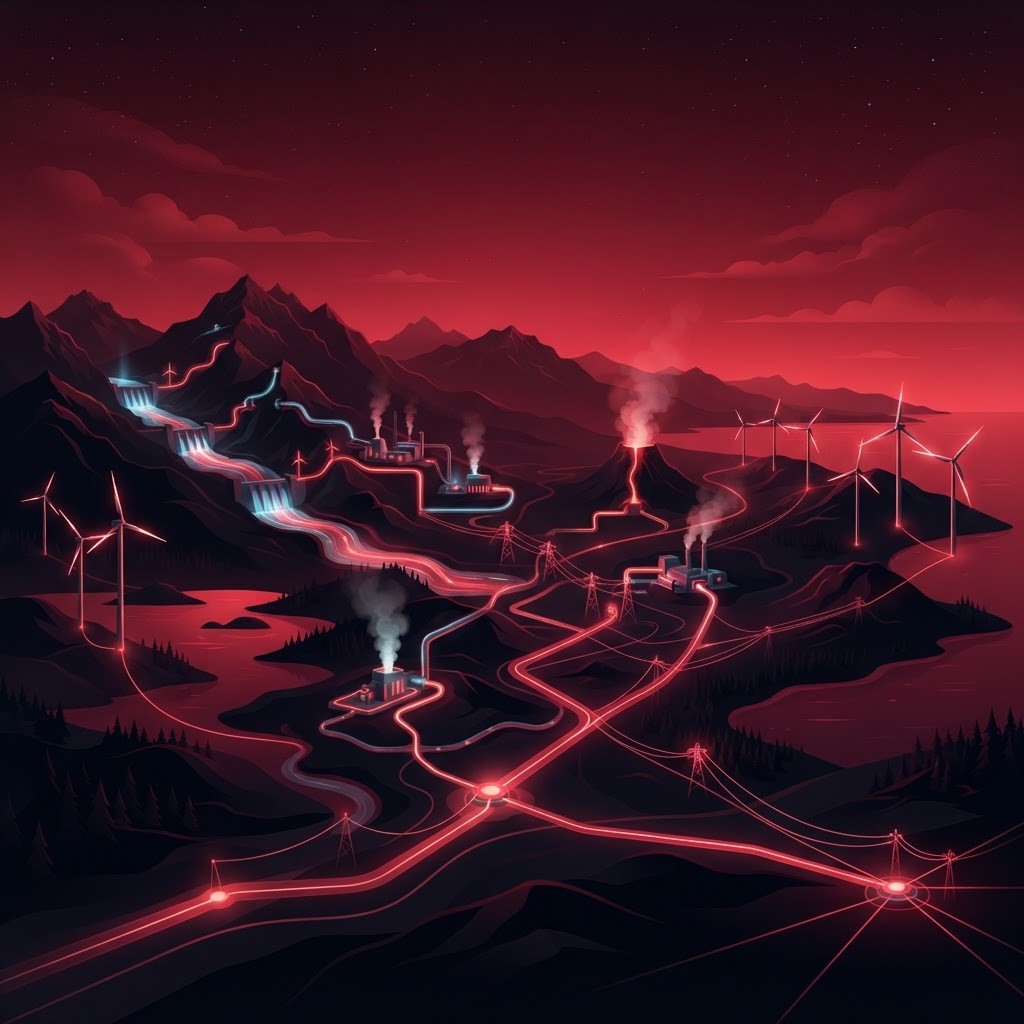
New Zealand's Evolving Energy Landscape
New Zealand sits at the forefront of the global transition to clean power, with roughly 80 to 85 percent of its electricity generated from renewable sources. Abundant hydro lakes on the South Island, geothermal fields in the central North Island, and a growing fleet of wind farms give the country a distinctive energy identity. For consumers and businesses alike, choosing the right energy supplier means balancing price, reliability, sustainability commitments and customer service.
The retail energy sector has become increasingly competitive since deregulation, and this competition has driven innovation in pricing plans, smart metering, and renewable offerings. Below we profile ten of the most respected energy suppliers operating across New Zealand, highlighting what makes each of them stand out.
The Leading Energy Suppliers
Meridian Energy is the country's largest electricity generator and is notable for generating 100 percent of its power from renewable hydro and wind assets. Its scale, environmental credentials and strong retail presence make it a favourite among sustainability-minded households and large commercial customers.
Contact Energy combines geothermal, hydro and gas generation with a broad retail base. The company has invested heavily in new geothermal capacity and digital customer tools, positioning itself as a modern, forward-looking supplier with flexible plans.
Genesis Energy serves a large customer base across electricity, natural gas and LPG. Known for its diverse generation portfolio and its Energy IQ insights platform, Genesis appeals to customers who want detailed control over their usage and spending.
Mercury Energy generates entirely from renewable hydro, geothermal and wind sources. With a strong focus on customer experience and simple, transparent plans, Mercury has built a reputation as an approachable, environmentally responsible retailer.
Nova Energy offers combined electricity and gas plans and is valued for competitive pricing and straightforward bundling. It has grown steadily by targeting both residential and business customers seeking value.
Challengers and Specialists
Electric Kiwi disrupted the market with its innovative pricing, including a free off-peak power hour and a strong digital-first approach. It consistently ranks highly in customer satisfaction surveys and appeals to tech-savvy, cost-conscious households.
Flick Electric pioneered wholesale-linked pricing in New Zealand, giving customers the ability to benefit from spot market rates. Its transparent model attracts engaged consumers who want to shift usage to cheaper periods.
Powershop is celebrated for its app-based experience that lets customers buy power in advance like a product, often at discounted rates. Its carbon-neutral certification and playful branding have earned it a loyal following.
Ecotricity markets itself as New Zealand's carboNZero-certified energy retailer, appealing specifically to customers who prioritise verified environmental performance above all else.
Frank Energy, part of the Genesis group, offers a no-frills, budget-focused proposition with simple flat rates and minimal fuss, making it popular with customers who value predictability.
Key Industry Trends
Several trends are reshaping the sector. Smart meters are now widespread, enabling time-of-use pricing and giving households granular insight into consumption. Rooftop solar and home battery adoption are rising, prompting retailers to offer buy-back schemes and solar-friendly plans. Electric vehicle uptake is also accelerating demand for dedicated EV charging tariffs and off-peak incentives.
At the same time, security of supply during dry years remains a national conversation, since hydro generation depends on lake levels. Suppliers are responding with demand-response programmes and diversified generation strategies to keep the lights on affordably.
How to Choose the Right Supplier
When comparing energy suppliers in New Zealand, consider your household's usage patterns, whether you value fixed or wholesale-linked pricing, and how much weight you place on renewable certification. Customer service quality, ease of switching, and the availability of a strong mobile app can make a meaningful difference to the day-to-day experience. Many customers also look for prompt-payment discounts and dual-fuel bundles that combine electricity and gas.
Renewable Leadership on the World Stage
New Zealand's electricity mix places it among the greenest developed nations, and this reputation is a genuine competitive advantage for its energy suppliers. Hydroelectric generation, concentrated on the South Island, provides the backbone of the system, while the geothermal fields of the Taupo Volcanic Zone deliver reliable baseload power that is not dependent on weather. Wind generation has expanded rapidly across exposed coastal and ridge sites, and solar is beginning to make inroads at both utility and household scale. This diversity gives retailers a compelling sustainability story to tell customers who care about the origin of their power.
The government's ambition to reach 100 percent renewable electricity has further encouraged investment. Generator-retailers are commissioning new wind and geothermal projects, retiring older fossil-fuel plants, and exploring pumped hydro storage to firm up supply during dry years. For consumers, this means the electricity they buy is increasingly clean, and suppliers compete not only on price but on the strength of their environmental commitments and transparency.
Pricing Models and Customer Value
Understanding pricing structures is essential when comparing suppliers. Fixed-rate plans offer certainty and are favoured by households that value predictable bills. Time-of-use plans, enabled by smart meters, reward customers who shift consumption to cheaper off-peak periods, such as overnight electric vehicle charging or running appliances outside peak hours. Wholesale-linked plans, pioneered by challengers, pass through spot market prices and can deliver savings for engaged customers willing to accept some variability.
Many retailers sweeten their offers with prompt-payment discounts, sign-up credits, dual-fuel bundles combining electricity and gas, and loyalty rewards. Increasingly, suppliers are also offering solar buy-back rates, battery integration and EV-specific tariffs, reflecting the changing way New Zealanders generate and consume energy at home.
Conclusion
New Zealand's energy suppliers offer an unusually green and competitive market by international standards. From large generator-retailers like Meridian, Contact, Genesis and Mercury to nimble challengers such as Electric Kiwi, Flick and Powershop, there is a supplier suited to almost every priority. As renewables, smart technology and electrification continue to advance, these companies are well placed to deliver cleaner, smarter and more customer-focused energy for years to come.
