
Agriculture in the Land of Fjords and Mountains
Farming in Norway is a story of resilience. With a short growing season, mountainous terrain, and only a small percentage of land suitable for cultivation, Norwegian farmers have long relied on ingenuity and cooperation to feed the nation. Despite these formidable challenges, the agricultural sector remains a vital part of the economy and a cornerstone of rural life, supported by strong policies that prioritize food security, animal welfare, and environmental stewardship above sheer volume.
The country's farming companies range from large cooperatives that process and distribute food nationwide to specialized producers focused on dairy, grain, meat, and horticulture. Together they form an interconnected ecosystem that values quality over quantity and long-term sustainability over short-term gain. This structure has allowed Norwegian agriculture to remain productive and respected even in one of the most demanding farming environments in Europe.
The Cooperative Backbone of Norwegian Farming
Cooperatives play an outsized role in Norwegian agriculture. These member-owned organizations allow farmers to pool resources, share risk, and gain access to processing and distribution networks they could never build alone. TINE, the dominant dairy cooperative, is perhaps the most recognizable, uniting thousands of dairy farmers and producing a wide range of milk, cheese, and yogurt products beloved across the country and increasingly exported abroad.
Nortura is another giant, focusing on meat and eggs, and serving as a critical link between farmers and consumers nationwide. Felleskjøpet supports the sector by supplying feed, seed, equipment, and agronomic expertise, effectively acting as a one-stop partner for farmers in every region. These cooperatives demonstrate how collective action can overcome the structural challenges of farming in a harsh climate, giving even small operations access to markets and technology.
Leading Farming Companies to Watch
Beyond the cooperatives, several companies stand out for their innovation and impact. Fjordland has built a strong reputation in prepared and convenience foods sourced from Norwegian farms. Gartnerhallen unites fruit, vegetable, and potato growers, ensuring fresh produce reaches supermarkets and restaurants across the country. HOFF specializes in potato-based products and has become a trusted name in that category, supporting a network of dedicated potato farmers.
Emerging players are pushing boundaries in vertical farming and controlled-environment agriculture. Companies experimenting with hydroponics and greenhouse technology are extending the growing season and reducing reliance on imports, an important goal for a country that imports a significant share of its food. Regional producers such as Rørosmeieriet have carved out premium niches by emphasizing local, organic, and artisanal production that commands loyal customer followings and strong price premiums.
Other respected names include Prior, known for poultry; Q-Meieriene, a dynamic dairy competitor offering popular yogurts and milk; and a growing number of family farms transitioning to organic certification to meet rising consumer demand for sustainable, traceable food. This diversity keeps the sector dynamic and responsive to changing tastes.
Sustainability and Animal Welfare Leadership
Norway is widely regarded as a global leader in animal welfare, with regulations that are among the strictest in the world. Farming companies operate under standards that limit antibiotic use, mandate humane living conditions, and promote pasture access. This focus on welfare enhances product quality and aligns closely with the values of Norwegian consumers, who are consistently willing to pay a premium for ethically produced food.
Environmental sustainability is equally central to the sector. Farms are adopting precision agriculture tools, renewable energy, and improved manure management to reduce their carbon footprint. Many companies are investing in soil health, biodiversity, and water conservation, recognizing that long-term productivity depends on protecting the land for future generations. These efforts position Norwegian agriculture as a model of responsible food production.
Technology Transforming the Fields
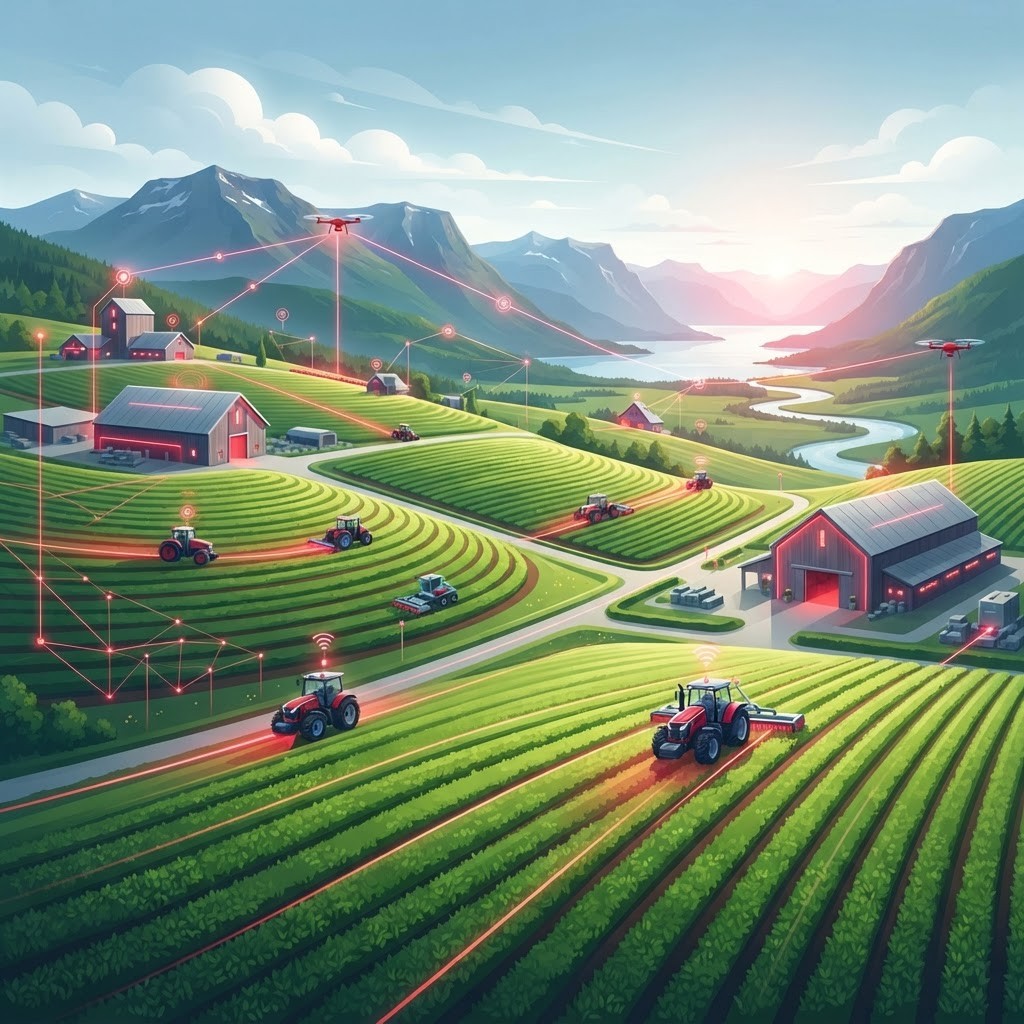
Digital agriculture is making a significant impact even in Norway's rugged landscape. GPS-guided machinery, sensor-based monitoring, and data analytics help farmers optimize planting, feeding, and harvesting with remarkable precision. Automated milking systems are now common on dairy farms, improving both efficiency and animal comfort. Drones and satellite imagery assist with crop monitoring and resource management across difficult terrain.
These technologies are especially valuable given persistent labor shortages and the high cost of operating in Norway. By embracing innovation, farming companies are boosting productivity while maintaining the high standards that define Norwegian agriculture. The willingness to adopt new tools has helped the sector remain competitive despite its natural disadvantages.
Challenges and Opportunities Ahead
The sector faces ongoing challenges, including climate variability, rising input costs, and the need to attract younger generations to farming careers. Yet opportunities abound. Growing consumer interest in local, traceable, and sustainable food creates strong demand for exactly the kind of products Norwegian farms excel at producing. Government support and a robust cooperative structure provide a level of stability that farmers in many other countries can only envy.
Conclusion
Norway's farming companies embody a compelling blend of tradition and innovation, overcoming a harsh environment to deliver high-quality, ethically produced food. From powerful cooperatives to nimble family operations, these businesses sustain rural communities and safeguard the nation's food security. As sustainability and technology continue to reshape the industry, Norwegian agriculture is well positioned to thrive for generations to come.
