
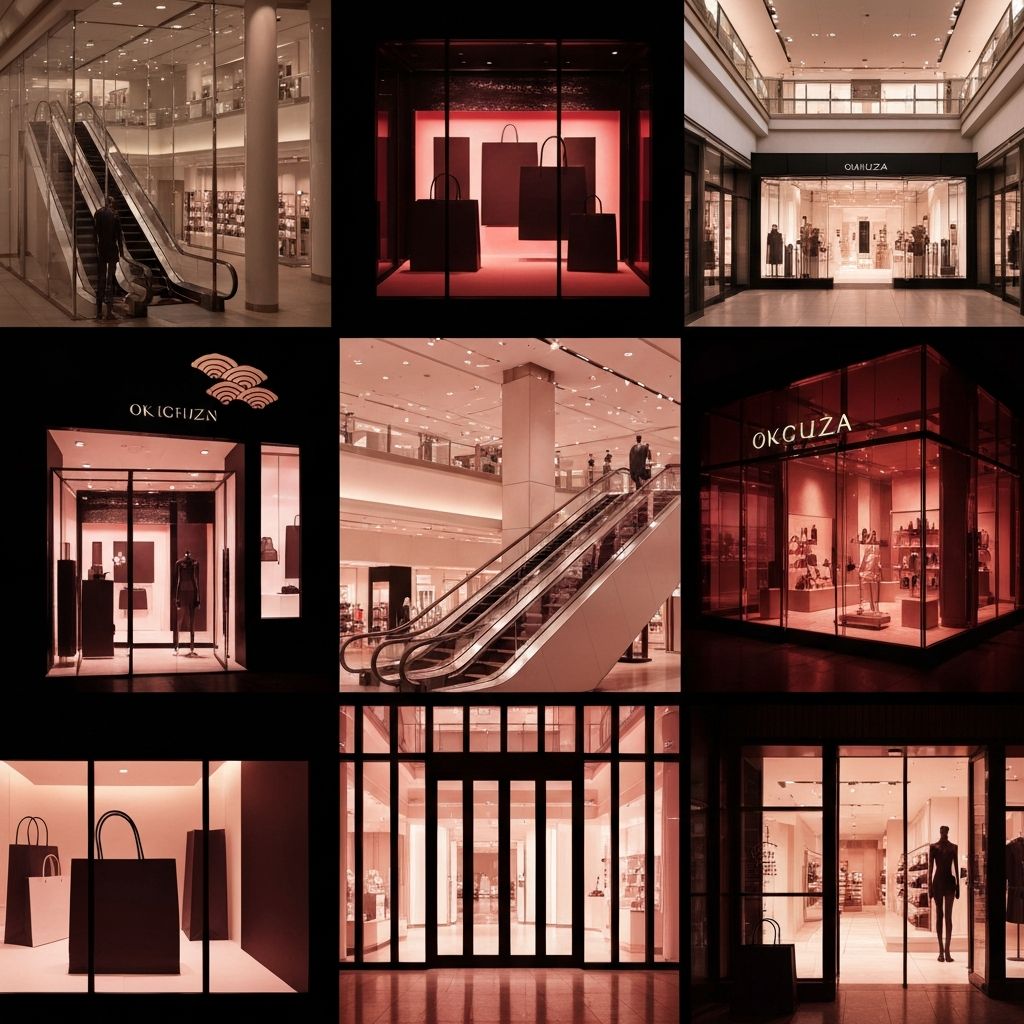
The Legacy of Japanese Department Stores
Japanese department stores, known as depato, are more than retail spaces. They are cultural institutions celebrated for their refined service, curated luxury, and legendary basement food halls known as depachika. From historic Edo-era origins to modern flagship developments in Ginza and Shinjuku, these stores offer an unparalleled shopping experience that combines international luxury brands, Japanese craftsmanship, gourmet experiences, and impeccable customer care. They remain symbols of Japan's commitment to quality and hospitality.
1. Isetan
Isetan, particularly its flagship Shinjuku location, is widely regarded as one of the most prestigious department stores in Japan. The store features cutting-edge fashion, international designers, beautifully merchandised beauty floors, and an iconic food hall renowned for premium ingredients and exclusive collaborations.
2. Mitsukoshi
Mitsukoshi is one of Japan's oldest department store chains, with roots dating back over three centuries. The Nihombashi flagship is a national landmark known for its elegant architecture, luxury boutiques, and refined art galleries. The brand sets standards for premium hospitality.
3. Takashimaya
Takashimaya is a beloved luxury department store offering high-end fashion, traditional crafts, gourmet food halls, and curated home goods. Its flagship locations in Tokyo, Osaka, and Kyoto blend modern elegance with deep respect for Japanese tradition.
4. Daimaru
Daimaru is recognized for its premium offerings across fashion, beauty, and food. Its Tokyo Station location is especially popular among travelers thanks to its sophisticated boutiques and gourmet sections that highlight regional Japanese delicacies and international specialties.
5. Hankyu Department Store
Hankyu's flagship in Umeda, Osaka, is one of the largest and most spectacular department stores in Asia. The retailer is known for fashion-forward selections, an extensive luxury floor, and a stunning atrium that elevates the shopping experience.
6. Hanshin Department Store
Hanshin, located in Osaka, is famous for its lively food halls, gourmet dining options, and approachable mix of brands. The store has a strong local following thanks to its iconic snacks, seasonal events, and welcoming atmosphere.
7. Matsuya Ginza
Matsuya Ginza is a sophisticated department store offering a curated mix of luxury, fashion, and lifestyle products. Its rooftop garden, refined design floors, and beautifully arranged food halls make it a favorite among Ginza shoppers.
8. Marui (OIOI)
Marui, known by its OIOI logo, targets younger shoppers with trendy fashion, accessible luxury, anime-themed pop-ups, and lifestyle brands. Its modern stores are popular hubs for streetwear, cosmetics, and fan culture experiences.
9. Tobu Department Store
Tobu's flagship in Ikebukuro is one of the largest department stores in Japan, featuring an extensive range of fashion, beauty, and gourmet offerings. Its expansive food hall is widely considered among the best in Tokyo.
10. Seibu Department Store
Seibu, also located in Ikebukuro, offers a sophisticated selection of fashion, lifestyle, and luxury brands. The store is highly regarded for its design sensibility, art exhibits, and curated retail experiences.
What Makes Japanese Department Stores Unique
Japanese department stores are celebrated for their exceptional omotenashi, or hospitality, which is evident in everything from doorway greetings to meticulously wrapped purchases. The depachika food halls are a highlight of the experience, offering elaborate bento boxes, premium sweets, wagyu beef, sushi, and seasonal delicacies that often rival fine dining establishments.
Department Store Trends in 2026
Department stores are integrating digital experiences, including AI styling tools, mobile checkout, and personalized loyalty programs. Sustainability has become a major focus, with retailers expanding eco-friendly product lines and partnering with artisans to highlight ethical craftsmanship. International tax-free services and concierge experiences cater to growing inbound tourism.
Tips for Shopping at Japanese Department Stores
Tax-free counters, currency exchange services, and multilingual staff make shopping convenient for international visitors. Loyalty point cards offer additional savings, and seasonal sales such as the New Year fukubukuro lucky bags are highly anticipated events. Exploring the basement food halls is essential for anyone seeking premium gifts or culinary experiences.
Conclusion
Japanese department stores combine luxury, tradition, and refined hospitality in ways few retailers around the world can match. The depato listed here represent the pinnacle of premium shopping in Japan and remain essential destinations for travelers, gift-givers, and design enthusiasts.
