
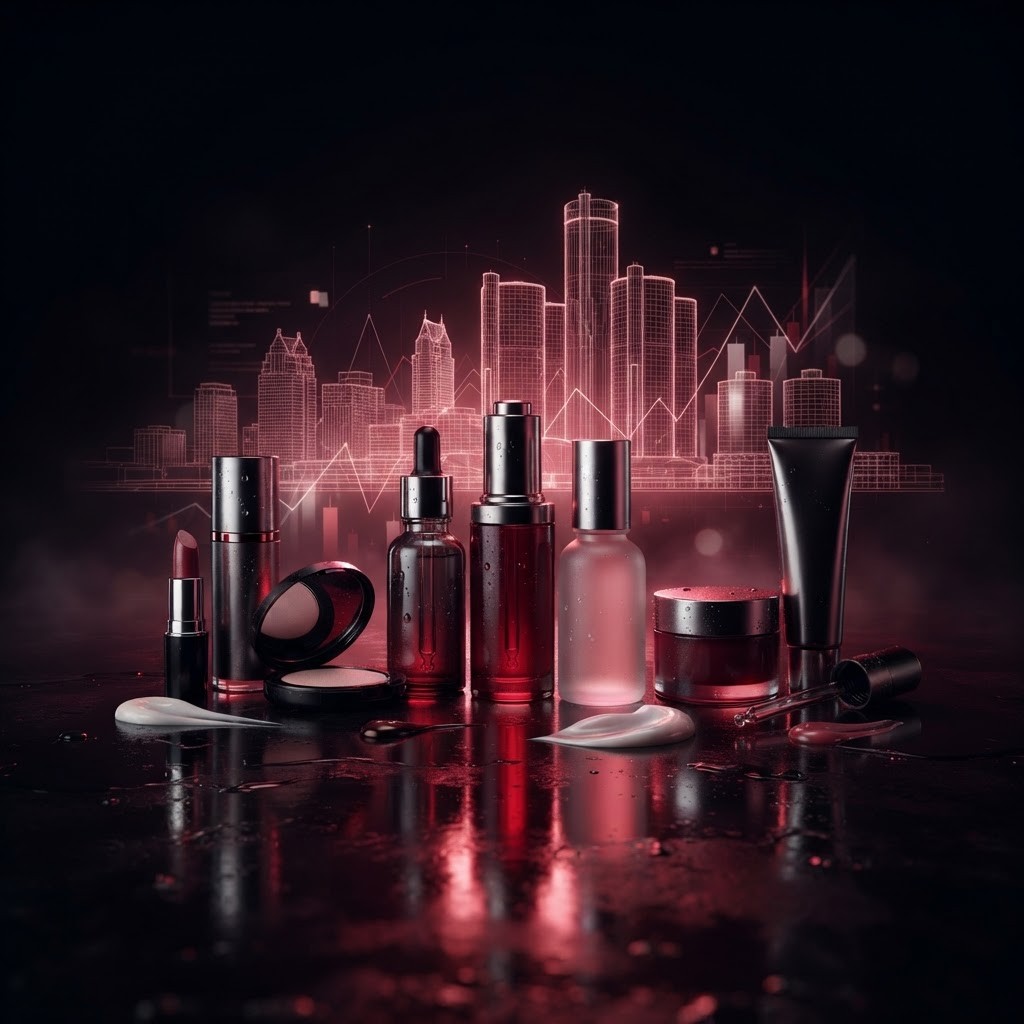
Detroit's Rise as a Beauty Brand City
Detroit's beauty industry grew from the ground up. Without a legacy cosmetics manufacturing base, the city's founders built brands the entrepreneurial way: mixing early formulas in small batches, selling at markets and salons, listening closely to customers and reinvesting revenue into production. That path produced companies with unusually strong community loyalty and product lines shaped by real feedback rather than focus groups.
Two forces accelerated the scene. The first was representation. Founders from Detroit's Black and immigrant communities built lines that addressed shade ranges, hair textures and skin concerns that legacy brands historically underserved, and the market responded decisively. The second was retail access. As national retailers expanded programs for independent and minority-owned beauty brands, several Detroit companies moved from local shelves to nationwide distribution without abandoning their base.
How to Evaluate a Cosmetics Brand
Formulation transparency comes first. Look for complete ingredient lists in descending concentration order, clear labeling of active percentages in skincare, and honest claims that describe cosmetic effects rather than medical ones. Shade range depth is the most revealing test in complexion products: a brand serious about inclusivity offers not just many shades but correct undertones across the full depth spectrum. Testing practices matter, including cruelty-free status, dermatological or ophthalmological testing for eye products, and stability testing for anything water-based. Finally, evaluate consistency. Independent brands sometimes struggle with batch variation, so brands that maintain uniform color, texture and scent across production runs demonstrate real manufacturing discipline.
The Top 10 Cosmetics Brands in Detroit
1. The Lip Bar. Founded in Detroit and now nationally distributed, The Lip Bar is the city's flagship beauty success story. It built its reputation on vegan, cruelty-free lipsticks with rich pigment and broad shade options, later expanding into complexion products with an emphasis on accessible pricing and inclusive matching.
2. Detroit Rose Skincare. Small-batch skincare studios represent an important segment of the local market, formulating serums, oils, cleansers and balms with botanical actives. These brands typically offer direct customer consultation, transparent ingredient sourcing and fresh production dates that mass-manufactured lines cannot match.
3. Beauty Junkies and independent color labels. Detroit supports several independent color cosmetics lines producing eyeshadow palettes, lip glosses and pigments with bold, expressive ranges. Their strength is creative freedom: shade stories that reference local culture and music rather than global trend cycles.
4. Rebel Nell Beauty and mission-driven brands. Detroit's social enterprise tradition extends into beauty, where companies pair product sales with employment training, financial literacy programming and community reinvestment. Customers get quality products while supporting measurable local outcomes.
5. Natural hair and scalp care specialists. A robust group of Detroit brands formulates for textured hair, offering leave-in conditioners, curl creams, oils and scalp treatments developed by founders who understand the category from personal experience. Ingredient honesty and moisture performance drive loyalty in this segment.
6. Handmade soap and body care makers. Detroit's market culture supports numerous body care brands producing cold-process soap, sugar scrubs, shea-based butters and bath products. These makers excel at seasonal collections, gift sets and gentle formulations for sensitive skin.
7. Clean beauty and refill-focused labels. Sustainability-driven Detroit brands emphasize refillable containers, minimal packaging, waterless formats and concentrated formulas. They appeal to customers reducing plastic use who still expect professional-grade performance.
8. Fragrance and candle houses. Independent perfumers and candle makers in the city compose scents inspired by Detroit neighborhoods, seasons and music history. Their small-batch approach allows unusual notes and limited editions that larger houses would never risk producing.
9. Professional makeup artist lines. Working artists in Detroit's bridal, editorial and event markets have launched their own products, typically focused on long-wear complexion items, setting sprays and brushes. Because these lines are built from professional use cases, they tend to prioritize durability and photographability.
10. Contract manufacturers and beauty incubators. Behind the visible brands sits growing local infrastructure: formulation consultants, filling operations, packaging suppliers and business accelerators focused on beauty. This ecosystem is why new Detroit brands can now scale from kitchen batches to retail-ready production within the region.
Trends in the Detroit Beauty Market
Skin health has overtaken heavy coverage as the primary consumer priority, boosting tinted moisturizers, skin tints, barrier-repair moisturizers and sunscreen adoption. Ingredient literacy is high, and customers routinely ask about active concentrations, fragrance allergens and preservative systems. Direct-to-consumer selling remains vital, but wholesale placement in salons, boutiques and national retailers has become the growth path for established local brands. Refill and low-waste packaging continues to expand, and multi-use products that reduce both cost and clutter perform especially well.
Shopping and Usage Advice
Match complexion products in natural light and test them on the jawline and neck rather than the hand, since undertone shifts across the face. Introduce active skincare gradually, adding one new product every one to two weeks so reactions can be traced to a specific formula. Respect shelf life on small-batch products, which often contain fewer preservatives and should be used within months rather than years. Store oils and vitamin C formulations away from heat and direct light. When buying from local makers, ask about production dates and recommended usage windows, and take advantage of sample sizes before committing to full-size purchases.
Final Thoughts
Detroit's cosmetics scene demonstrates what happens when founders build for communities they actually belong to. The result is a market rich in inclusive shade ranges, honest formulations, textured hair expertise and genuine creative identity, supported by a growing local production ecosystem. Whether you want a nationally recognized vegan lipstick line, a small-batch serum made a few miles away, or a fragrance composed as a tribute to the city itself, Detroit beauty brands deliver both quality and meaning.
