
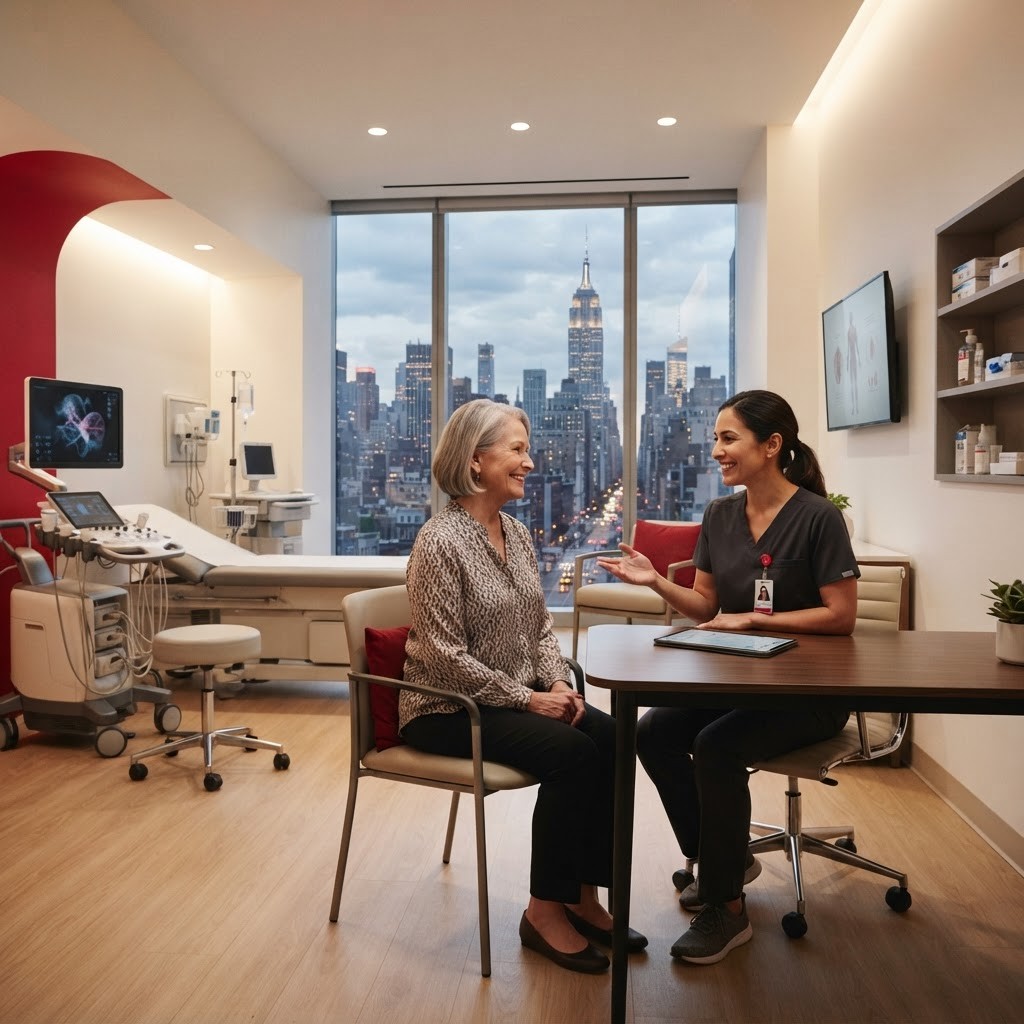
Finding the Right New York Clinic
Clinics are often the front door to healthcare in New York. They provide preventive visits, same-day treatment, chronic condition management, vaccinations, testing, sexual health services, behavioral healthcare, and specialist referrals. Convenience matters, but continuity, scope, language access, and insurance compatibility can have an even greater effect on long-term health.
This list includes different clinic models rather than presenting interchangeable providers. Some are academic outpatient networks, some are community health centers, and others focus on urgent care. It is informational and not medical advice. Call emergency services for severe or life-threatening symptoms, and verify hours, services, and coverage before visiting.
1. NYU Langone Ambulatory Care
NYU Langone’s ambulatory network connects primary care, specialty consultations, imaging, and follow-up services across many city locations. Integration with a major health system can simplify referrals and shared records for patients whose needs span several departments. Availability varies by specialty and site, so patients should confirm appointment type and physician participation in their insurance plan.
2. Mount Sinai Doctors
Mount Sinai Doctors offers primary and specialty outpatient care throughout the metropolitan area. The network provides access to academic specialists and hospital services when a condition requires escalation. It may be especially useful for patients who want their routine and complex care within one system. Clinic experience, appointment access, and services differ by location.
3. Weill Cornell Medicine Primary Care
Weill Cornell Medicine provides academic primary care and specialty services, with clinicians connected to a major teaching environment. Primary care teams can coordinate prevention, chronic disease management, testing, and referrals. Patients who value evidence-based academic medicine may find the model appealing, while checking location convenience and new-patient availability remains important.
4. ColumbiaDoctors
ColumbiaDoctors includes primary care and a broad range of specialty practices, particularly in upper Manhattan and associated locations. Its academic connections can be valuable for complex diagnoses and multidisciplinary care. Patients should identify the specific practice that matches their need because the network covers many departments and care settings rather than one standardized clinic format.
5. Callen-Lorde Community Health Center
Callen-Lorde is known for culturally responsive healthcare serving LGBTQ+ communities while welcoming a diverse patient population. Services include primary care, sexual health, behavioral health, and other supportive programs. Its mission-centered approach and experience with affirming care are major differentiators. Current intake processes and program availability should be confirmed in advance.
6. Charles B. Wang Community Health Center
Charles B. Wang Community Health Center provides comprehensive community-based care with particular experience serving Asian American communities. Primary care, pediatrics, women’s health, dental care, and enabling services are part of its broad approach. Language access and cultural understanding can improve communication, trust, and adherence, making the organization an important part of New York’s safety net.
7. Ryan Health
Ryan Health operates community health centers offering primary care, pediatrics, women’s health, behavioral health, dental services, and supportive care. Its model emphasizes accessible services regardless of a patient’s financial circumstances. Locations serve several Manhattan neighborhoods, and patients should ask about enrollment documents, sliding-fee eligibility, and on-site service availability.
8. Community Healthcare Network
Community Healthcare Network provides primary care, sexual and reproductive health, behavioral health, and other services across multiple boroughs. The organization focuses on access for underserved communities and uses an integrated approach to address physical and behavioral needs. Its range can be helpful for patients who want coordinated services close to home.
9. CityMD
CityMD is a large urgent care network built around walk-in access for non-life-threatening illnesses and injuries. It can be useful for minor infections, sprains, simple wounds, testing, and care outside normal office schedules. Urgent care should not replace an ongoing primary care relationship, and patients should confirm whether the location can handle the specific concern.
10. Northwell Health-GoHealth Urgent Care
Northwell Health-GoHealth Urgent Care combines neighborhood walk-in centers with connections to the Northwell system. Online scheduling and multiple locations can reduce friction for episodic care. The system relationship may aid referrals, though patients still need primary care for prevention, medication monitoring, and long-term management.
Primary Care or Urgent Care?
Choose primary care for annual exams, vaccinations, screening, medication management, and conditions requiring follow-up. Use urgent care for timely evaluation of a problem that cannot wait for a normal appointment but is not life-threatening. Emergency departments are appropriate for warning signs such as major breathing difficulty, stroke symptoms, severe chest pain, uncontrolled bleeding, or other critical concerns.
When comparing clinics, ask about same-day access, after-hours advice, telehealth, laboratory services, behavioral health, language support, accessibility, records, referrals, and costs. Bring an accurate medication list and relevant history. The best clinic relationship provides not only a convenient appointment, but also consistent communication and a clear pathway to additional care when needs become more complex. After each visit, review the treatment plan, follow-up date, pending test results, and warning signs that should prompt faster attention. Keeping personal copies of key records can also prevent delays when care crosses health systems.
