
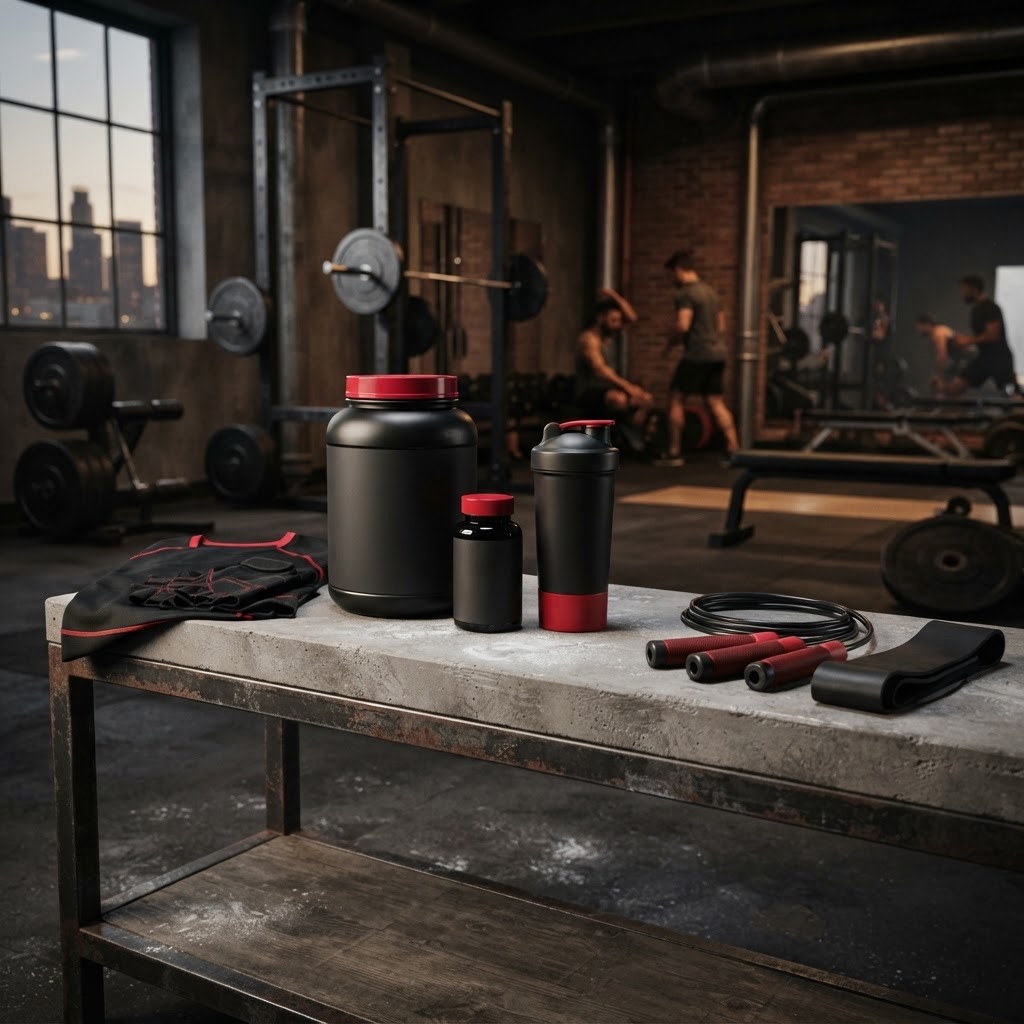
Southern California's Sports Nutrition Influence
Los Angeles sits at the intersection of fitness culture, professional sports, wellness, entertainment, and product innovation. That makes Southern California an important market for protein, hydration, performance, and recovery products. Supplements can support an otherwise sound plan, but they do not replace training, sleep, balanced food, or medical care. Product formulas and company locations can change; consumers should read current labels and seek qualified advice when health conditions, medications, pregnancy, or competition rules are involved.
1. Legion Athletics
Legion Athletics was founded in Southern California and built its reputation around evidence-oriented formulas and transparent labeling. Its lineup includes protein powders, pre-workout products, creatine, and general wellness supplements. The brand's appeal lies in clearly stated ingredient amounts and educational positioning. Consumers should still evaluate whether each ingredient serves a real need, especially in multi-ingredient performance products where caffeine and overlapping compounds can accumulate.
2. Ghost Lifestyle
Ghost has a strong presence in modern fitness culture, with bold flavor collaborations and products spanning protein, pre-workout, hydration, and energy. Its approach makes sports nutrition accessible to younger consumers and lifestyle-focused athletes. Flavor and branding can improve consistency, but the nutritional panel matters more. Compare serving size, protein source, stimulant quantity, sweeteners, and intended timing with personal goals.
3. Kaged
Kaged is a Southern California sports nutrition brand offering pre-workout, hydration, amino-acid, protein, and recovery products. It emphasizes performance formulations and ingredient transparency. Athletes subject to testing should look for the current certification status of the exact product and batch rather than assuming an entire brand has identical verification. Recreational users should begin with conservative stimulant intake and avoid combining multiple energy products.
4. JYM Supplement Science
JYM Supplement Science is closely associated with Southern California fitness and an education-led approach to formulated products. Its catalog includes pre-workout, post-workout, protein, and support categories. The brand often presents comprehensive blends, which may appeal to users seeking convenience. The tradeoff is complexity: consumers should check for duplicated ingredients across a full stack and decide whether a simpler single-ingredient option would meet the same objective.
5. Ora Organic
Los Angeles-based Ora Organic focuses on plant-based protein and wellness supplements with an organic-minded identity. It is relevant for vegan consumers or those who prefer plant protein blends. Plant proteins can differ in amino-acid profile, texture, and digestibility, so blended sources and adequate total intake matter. Buyers should choose based on dietary fit and tolerance rather than assuming plant-based automatically means appropriate for every person.
6. BPI Sports
BPI Sports has broad recognition in sports nutrition and distributes products across protein, pre-workout, creatine, and weight-management categories. The brand's wide range gives consumers options, but also makes label comparison essential. Different versions within one product family may have very different stimulant levels and serving instructions. Avoid treating similar packaging as proof of similar formulation.
7. MusclePharm
MusclePharm became prominent through bodybuilding and performance-sport marketing, offering protein and workout-support products. It remains a recognizable name for consumers seeking mainstream sports nutrition. Brand familiarity should not replace current due diligence. Review manufacturing information, ingredient quantities, allergen statements, expiration, and seller reliability, particularly because formulas and ownership structures can evolve over time.
8. Optimum Nutrition
Optimum Nutrition is not uniquely Los Angeles-based, but it is deeply established in Southern California gyms and retail channels. Its whey protein and performance products are common benchmarks because of wide availability and consistent category recognition. A straightforward protein powder can be useful when food intake is inconvenient, yet the ideal daily protein target depends on body size, diet, training, and medical context. More scoops are not inherently better.
9. Thorne
Thorne serves wellness and performance consumers with supplements that emphasize quality systems and professional credibility. Its sports-oriented products include creatine, protein, electrolytes, and micronutrient support. The brand is often considered by competitive athletes who care about testing programs. Even with strong quality signals, supplementation should follow a defined purpose. Micronutrients can be harmful in excess, and testing may be appropriate before correcting a suspected deficiency.
10. Momentous
Momentous has strong connections to high-performance training and offers protein, recovery, sleep, and foundational products. Its partnerships and third-party certification focus appeal to serious athletes. The most useful products are often simple: protein to close a dietary gap, creatine for a supported performance goal, or electrolytes for prolonged high-sweat training. Premium positioning should be weighed against dose, evidence, and cost per useful serving.
How to Evaluate a Supplement Brand
Look first for a complete label with exact amounts rather than proprietary blends. Third-party certification can reduce risk, especially for tested athletes, but no supplement is entirely risk-free. Buy through trustworthy channels, inspect seals, and avoid products making drug-like promises. Research should support the ingredient, dose, and intended population, not merely the general category. Caffeine deserves particular care because pre-workout, coffee, energy drinks, and fat-loss products can combine unexpectedly.
A Food-First, Goal-Based Approach
Define the problem before buying a product. Someone who lacks convenient protein has a different need from an endurance athlete replacing fluid and sodium during a long session. Keep the plan as simple as possible, introduce one product at a time, and monitor tolerance. A registered dietitian or qualified clinician can help interpret nutrition needs and interactions. Los Angeles offers abundant fitness innovation, but informed restraint remains one of the most effective performance strategies.
