
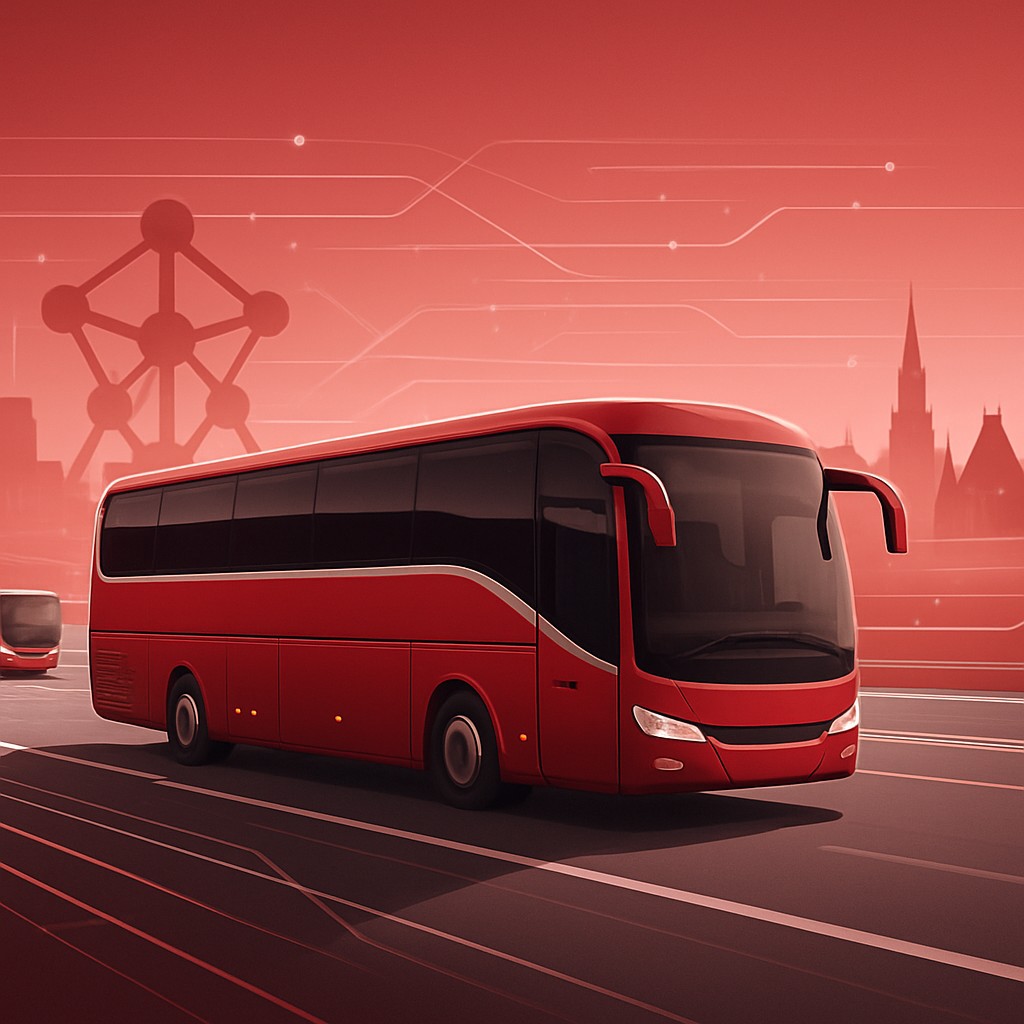
Why Bus Travel Matters in Belgium
Belgium is one of the most densely populated and well-connected countries in Europe, and buses play an essential role in keeping it moving. From the bustling streets of Brussels to the quieter corners of the Ardennes, bus networks provide affordable, flexible mobility for millions of residents and visitors every day. With a strong emphasis on sustainability and integrated ticketing, the Belgian bus sector has evolved into a sophisticated ecosystem of regional operators, intercity coach providers, and specialised charter services.
Choosing the right bus company depends on your needs, whether that is daily commuting, long-distance travel, school transport, or organised group tours. Below we examine ten of the most respected names operating across the country, highlighting their coverage, service quality, and unique strengths.
The Leading Bus Companies
De Lijn is the public bus operator for the Flemish Region and one of the most recognisable names in Belgian transport. With an extensive network of routes covering cities like Antwerp, Ghent, and Bruges, De Lijn has invested heavily in electric and hybrid buses as part of its ambition to electrify urban fleets. Its frequent services and integrated regional ticketing make it a backbone of daily mobility in Flanders.
TEC serves Wallonia, the French-speaking south of Belgium, providing comprehensive coverage from Liège and Charleroi to smaller rural communities. Known for its reliability and steadily modernising fleet, TEC connects commuters to schools, workplaces, and rail hubs, while also expanding its low-emission vehicle programme.
STIB-MIVB operates buses throughout the Brussels-Capital Region, complementing its tram and metro lines. Its dense urban network ensures that residents and visitors can reach almost any neighbourhood in the capital, with night services and accessibility features that cater to a diverse city population.
FlixBus brings affordable long-distance coach travel to Belgium, linking cities such as Brussels, Antwerp, and Liège with destinations across Europe. Its modern coaches, onboard amenities, and budget-friendly pricing have made it popular with students and international travellers.
Eurolines has a long-standing reputation for international coach services, connecting Belgium to major European capitals. With decades of experience, it remains a trusted option for cross-border travel and longer journeys.
Specialist and Regional Operators
Keolis is a global mobility group with operations in Belgium, offering urban and regional transport solutions as well as fleet management expertise. Its focus on technology-driven scheduling and passenger experience makes it a strong partner for public authorities.
Voyages Léonard is a respected family-run coach company known for tourism, group excursions, and tailored travel experiences. Its well-maintained fleet and personalised service have earned it a loyal following among groups seeking comfortable journeys.
Autocars Vandezande specialises in charter and tourist coach hire, serving schools, clubs, and corporate clients with dependable, comfortable vehicles and experienced drivers.
Bus Lambert provides regional coach and charter services with a reputation for punctuality and attentive customer care, particularly for events, weddings, and organised tours.
Reizen Lauwers rounds out the list as a well-regarded operator offering both holiday travel packages and private coach hire, blending modern comfort with the expertise of a long-established Belgian travel brand.
Trends Shaping the Industry
The Belgian bus industry is undergoing a significant transformation driven by environmental goals and digital innovation. Electrification is a central theme, with major public operators committing to zero-emission urban fleets in the coming years. This shift not only reduces carbon emissions but also improves air quality and noise levels in busy city centres.
Digital ticketing and real-time tracking have become standard expectations. Passengers increasingly rely on mobile apps to plan journeys, purchase tickets, and monitor arrivals, while integrated mobility platforms aim to combine buses, trams, trains, and shared transport into seamless trips. Accessibility is another priority, with low-floor vehicles, audio announcements, and improved infrastructure making travel easier for elderly passengers and those with reduced mobility.
How to Choose the Right Operator
When selecting a bus company in Belgium, consider the type of journey you need. For everyday commuting within a region, the public operators offer the broadest coverage and the best value through season tickets. For long-distance and international travel, dedicated coach brands provide comfort and competitive fares. Group travellers, schools, and event organisers will benefit from the personalised attention of charter specialists.
Reputation, fleet quality, and customer service should guide your decision. Reading reviews, comparing schedules, and checking sustainability commitments can help you find an operator that matches your values and expectations.
The Passenger Experience
Beyond coverage and pricing, the quality of the passenger experience increasingly defines the best bus companies in Belgium. Comfortable seating, climate control, onboard connectivity, and clean, well-maintained vehicles all contribute to journeys that feel pleasant rather than merely functional. Many operators have introduced clear onboard information displays, audio announcements, and easy-to-understand route maps that help passengers travel with confidence, even on unfamiliar lines.
Customer service plays an equally important role. Friendly, professional drivers, responsive support channels, and transparent communication during delays or disruptions build trust and loyalty. The leading operators understand that reliability is about more than punctuality; it is about consistently meeting expectations and treating passengers with respect. As competition grows and travellers become more discerning, companies that invest in the overall experience are the ones that will continue to thrive in Belgium's dynamic mobility market.
Conclusion
Belgium's bus sector is a vital, evolving part of the nation's mobility landscape. From large public networks delivering daily reliability to boutique charter firms offering tailored experiences, there is an operator to suit every need. As electrification and digital innovation continue to reshape the industry, passengers can look forward to cleaner, smarter, and more convenient bus travel across the country.
