
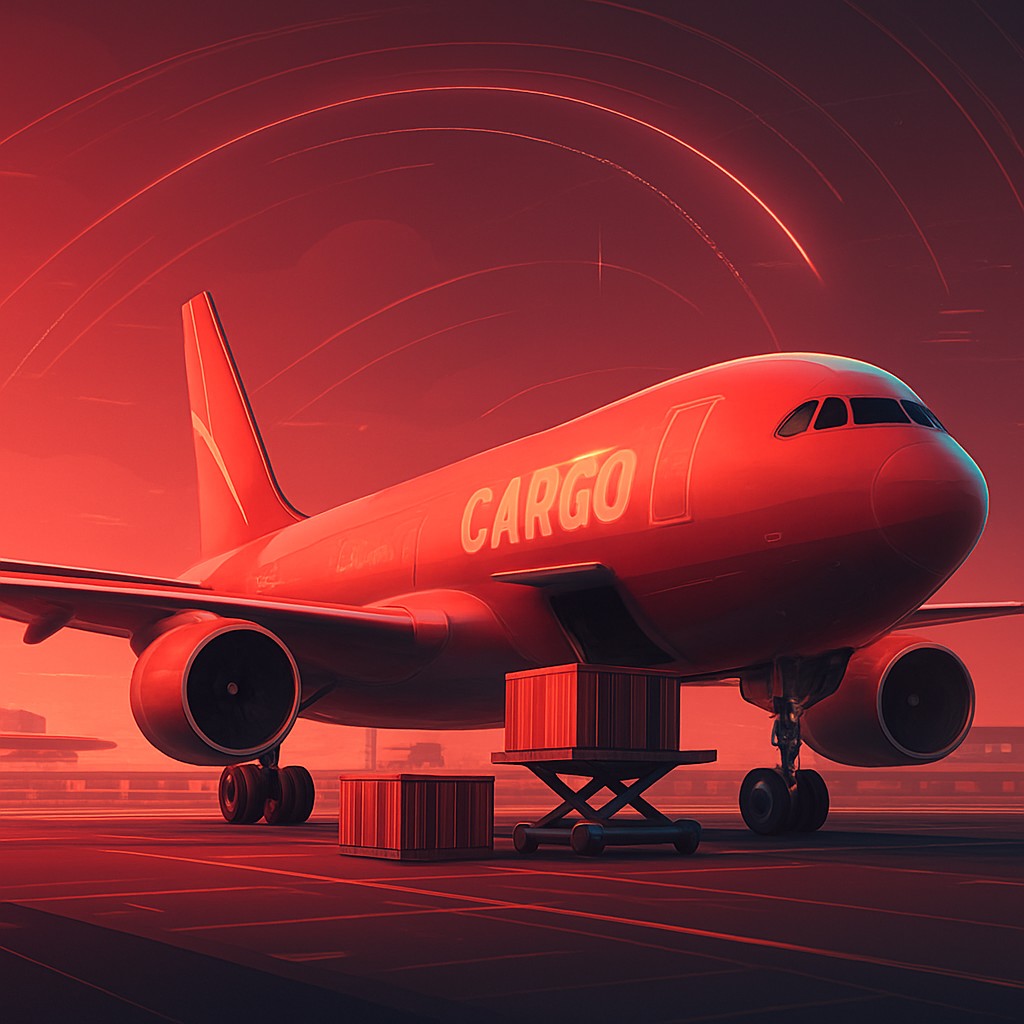
Air Cargo: Speed at the Heart of Europe
When goods need to move quickly across long distances, air cargo is the mode of choice. Belgium has developed into a significant air freight hub, anchored by Brussels Airport and the dedicated cargo operations at Liège Airport, which has become one of Europe's busiest freight gateways. These facilities handle everything from pharmaceuticals and perishables to e-commerce parcels and high-value electronics, supported by a sophisticated ecosystem of carriers, handlers, and forwarders.
The country's central location and excellent ground connections make it an ideal base for air cargo, allowing goods to reach much of Europe rapidly after landing. In this guide we explore ten of the most important air cargo companies operating in Belgium.
Leading Air Cargo Carriers
Brussels Airlines Cargo leverages the passenger and dedicated freight network of the national carrier to move goods to destinations across Africa, Europe, and North America, with particular strength on African routes.
ASL Airlines Belgium is a major cargo operator running scheduled and charter freight services, supporting express integrators and general cargo flows with a versatile fleet.
Challenge Airlines, based at Liège Airport, specialises in dedicated freighter operations, handling outsized, heavy, and specialised cargo on intercontinental routes.
Qatar Airways Cargo operates significant freighter services through Belgian airports, connecting the country to its global network and major markets in Asia and the Middle East.
Cargolux, a leading European all-cargo airline, maintains strong links with Belgian air freight, offering extensive global coverage for a wide range of goods.
Handlers, Integrators, and Forwarders
Aviapartner provides essential ground and cargo handling services at Belgian airports, ensuring goods are loaded, unloaded, and processed efficiently and safely.
Worldwide Flight Services offers comprehensive cargo handling and logistics support, managing the complex flows of freight through busy airport terminals.
FedEx operates a significant European hub at Liège Airport, making it a cornerstone of express and time-definite deliveries across the continent and beyond.
TNT, integrated within the FedEx network, continues to support express air freight and parcel services with strong European coverage.
Panalpina-style forwarders and dnata complete the picture, providing freight forwarding, customs handling, and value-added cargo services that connect shippers with the right carriers and routes.
Why Belgium Excels in Air Cargo
Several factors have propelled Belgium to the forefront of European air cargo. Liège Airport, in particular, has positioned itself as a freight-focused gateway with round-the-clock operations, ample capacity, and a welcoming environment for cargo carriers. This focus has attracted express integrators and dedicated freighter operators seeking efficient, flexible facilities.
Brussels Airport complements this with strong belly-hold capacity on passenger flights and specialised infrastructure for sensitive cargo such as pharmaceuticals. Belgium's well-developed cold-chain capabilities and certifications for handling temperature-sensitive goods have made it a preferred location for life sciences logistics, a sector that demands precision and reliability.
Handling Specialised Cargo
Air cargo in Belgium is notable for its ability to handle specialised and high-value shipments. Pharmaceuticals require strict temperature control and rapid transit, and Belgian airports have invested in dedicated facilities and processes to meet these needs. Perishables such as fresh produce and flowers also rely on swift air transport and careful handling to maintain quality.
E-commerce has further boosted demand, with cross-border online shopping generating large volumes of parcels that need fast, reliable air transport. Carriers and handlers have adapted with scalable operations and digital systems that streamline processing and tracking.
Sustainability and the Future
The air cargo sector is working to reduce its environmental impact through more efficient aircraft, sustainable aviation fuels, and optimised operations. Belgian airports and carriers are participating in these efforts, balancing the speed and connectivity that air freight provides with a growing commitment to sustainability.
As global trade continues to evolve and demand for fast, reliable delivery grows, Belgium's air cargo industry is well positioned to expand, supported by its infrastructure, expertise, and strategic location.
The Economic Impact of Air Cargo
Air cargo contributes significantly to the Belgian economy, supporting jobs, attracting investment, and enabling trade in high-value goods. The freight operations at Liège and Brussels airports have created vibrant logistics clusters, drawing carriers, forwarders, handlers, and supporting businesses to the surrounding regions. These clusters generate employment and stimulate further economic activity, from warehousing and distribution to specialised services such as pharmaceutical logistics.
The sector also enhances Belgium's attractiveness as a base for international business. Companies that depend on fast, reliable global connectivity, whether in life sciences, technology, or e-commerce, benefit from the country's air freight capabilities. This connectivity helps Belgian exporters reach distant markets quickly and allows importers to access goods from around the world with minimal delay. As global trade grows more time-sensitive, the strategic value of a strong air cargo industry continues to rise, reinforcing Belgium's position as a key logistics hub in Europe.
Conclusion
Belgium's air cargo companies play a crucial role in connecting the country to global markets at speed. From national carriers and dedicated freighter operators to express integrators and expert handlers, these organisations ensure that time-sensitive and high-value goods reach their destinations reliably. With its specialised capabilities and strategic position, Belgium remains a key player in the world of air freight.
