
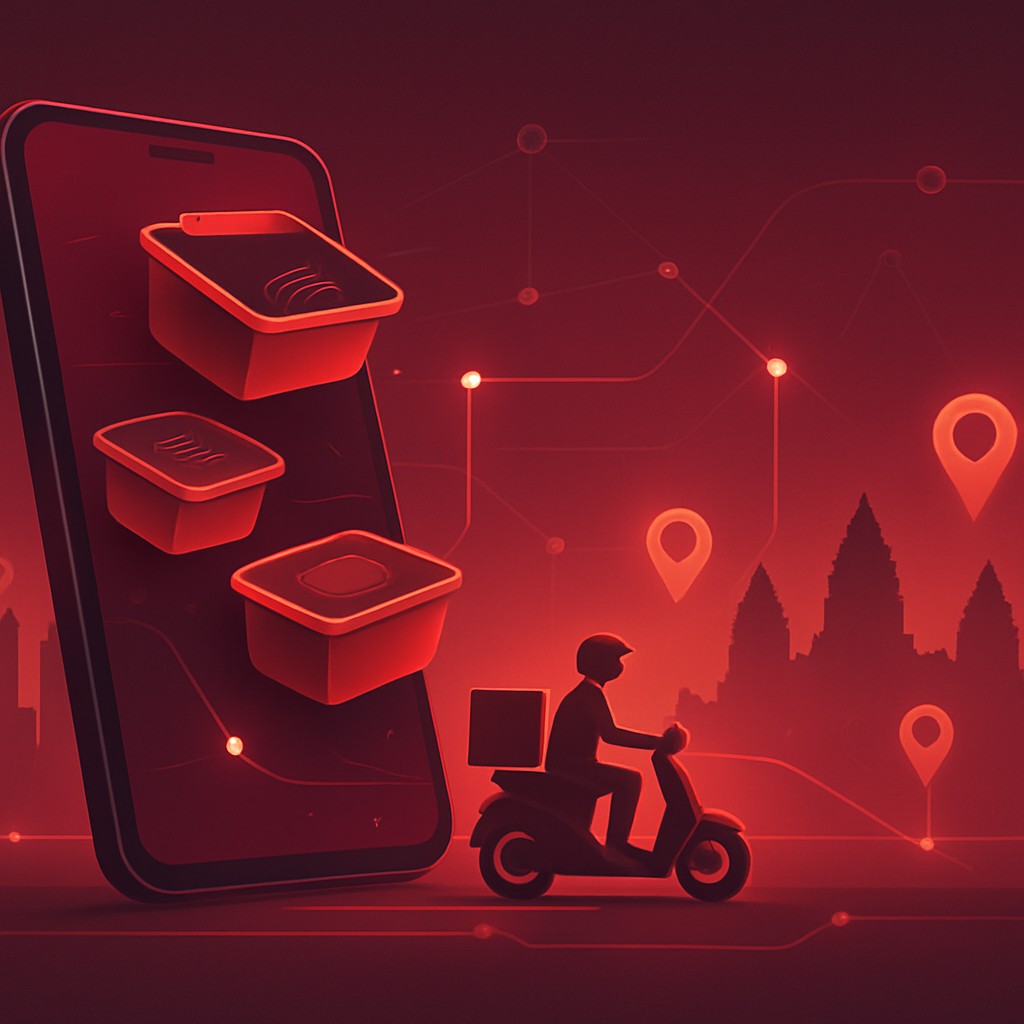
The Food Delivery Revolution in Cambodia
Few sectors have grown as quickly in Cambodia as food delivery. Once a novelty, ordering meals through a smartphone app has become an everyday convenience for urban residents, particularly in Phnom Penh, Siem Reap, and other growing cities. This transformation has been driven by rising smartphone penetration, improving internet access, and the expansion of digital payment options. For busy professionals, families, and students, food delivery apps offer an effortless way to enjoy a vast range of cuisines without leaving home or the office.
This article explores the food delivery apps shaping the market and the features that set the leaders apart.
Why Food Delivery Took Off
Several factors have propelled the rapid adoption of food delivery in Cambodia. The country's young, tech-savvy population is comfortable with mobile technology and eager to embrace convenient solutions. Urbanization has concentrated populations in cities where delivery is efficient, while the growth of mobile payments has removed friction from the ordering process. The expansion of restaurant partnerships has further widened choice, making delivery an appealing option for an ever-larger audience.
Top 10 Food Delivery Apps to Know
1. Nham24 is one of the most recognized names, offering food delivery alongside groceries and other services in a convenient super-app format.
2. FoodPanda Cambodia brings the reach of a regional platform, partnering with a wide network of restaurants and known for its reliable service.
3. Muuve has gained popularity for combining ride-hailing with food delivery, giving users flexibility within a single app.
4. E-GetS serves customers with a broad restaurant selection and a focus on fast, dependable delivery across major cities.
5. Meal Temple offers an extensive menu range and has built a loyal following through consistent quality and customer care.
6. WOWNOW emphasizes speed and a user-friendly interface, appealing to customers who value efficiency.
7. Khmer Eats highlights local restaurants and authentic Cambodian cuisine, connecting users with neighborhood favorites.
8. Delivery Khmer focuses on affordability and broad coverage, serving budget-conscious customers across diverse areas.
9. Phnom Penh Food Express caters specifically to the capital with curated restaurant partnerships and quick service.
10. SmartBite rounds out the list with a sleek app experience and a growing selection of partner restaurants and promotions.
Features That Define the Best Apps
The leading food delivery apps excel in several key areas. A wide and well-curated selection of restaurants ensures customers can find exactly what they crave. Speed and reliability of delivery are paramount, as is accurate order tracking that keeps users informed. Seamless, secure payment options enhance convenience, while responsive customer support resolves issues quickly. User-friendly design and helpful promotions also play a major role in attracting and retaining customers.
The Impact on Restaurants
Food delivery apps have reshaped the restaurant industry in Cambodia. They allow eateries to reach customers far beyond their physical location, increasing sales and visibility. Many restaurants have adapted by optimizing menus for delivery and partnering with multiple platforms. Some entrepreneurs have even launched delivery-only kitchens to capitalize on demand. While commission fees present a challenge, the expanded reach often outweighs the cost for many businesses.
Challenges in the Delivery Ecosystem
Despite rapid growth, the food delivery sector faces challenges. Competition is intense, leading to pressure on pricing and margins for both apps and restaurants. Ensuring consistent delivery quality across a large fleet of drivers requires careful management. Traffic congestion in busy cities can affect delivery times, and balancing affordability with profitability remains an ongoing concern. Successful apps navigate these challenges through technology, logistics optimization, and strong partnerships.
The Future of Food Delivery
The outlook for food delivery in Cambodia is promising. As internet access expands into more provinces and digital payments become even more widespread, the market is poised for continued growth. Apps are increasingly evolving into broader platforms, offering groceries, pharmacy items, and other services. Investment in logistics, data analytics, and customer experience will likely define the next phase of competition in this dynamic industry.
The Role of Delivery Drivers
At the heart of every food delivery service is a vast network of drivers who make the experience possible. These riders navigate busy streets to ensure meals arrive hot and on time, serving as the visible face of the apps they represent. Their reliability and professionalism directly shape customer satisfaction, making driver recruitment, training, and support a critical priority for delivery platforms. A well-managed fleet is often the difference between a beloved service and a frustrating one.
Food delivery has also created significant employment opportunities across Cambodian cities. For many people, driving for a delivery app provides flexible income and a path to economic participation. The leading platforms recognize this and increasingly invest in fair treatment, incentives, and safety measures for their drivers. Supporting this workforce not only improves service quality but also contributes positively to the communities these apps serve, reinforcing their role in the local economy.
Conclusion
Food delivery apps have fundamentally changed how Cambodians access meals, delivering convenience, choice, and speed to millions of users. The platforms highlighted here lead a vibrant and competitive market that continues to evolve. As technology advances and consumer habits shift, food delivery will remain a central part of daily life in Cambodia's growing digital economy.
