
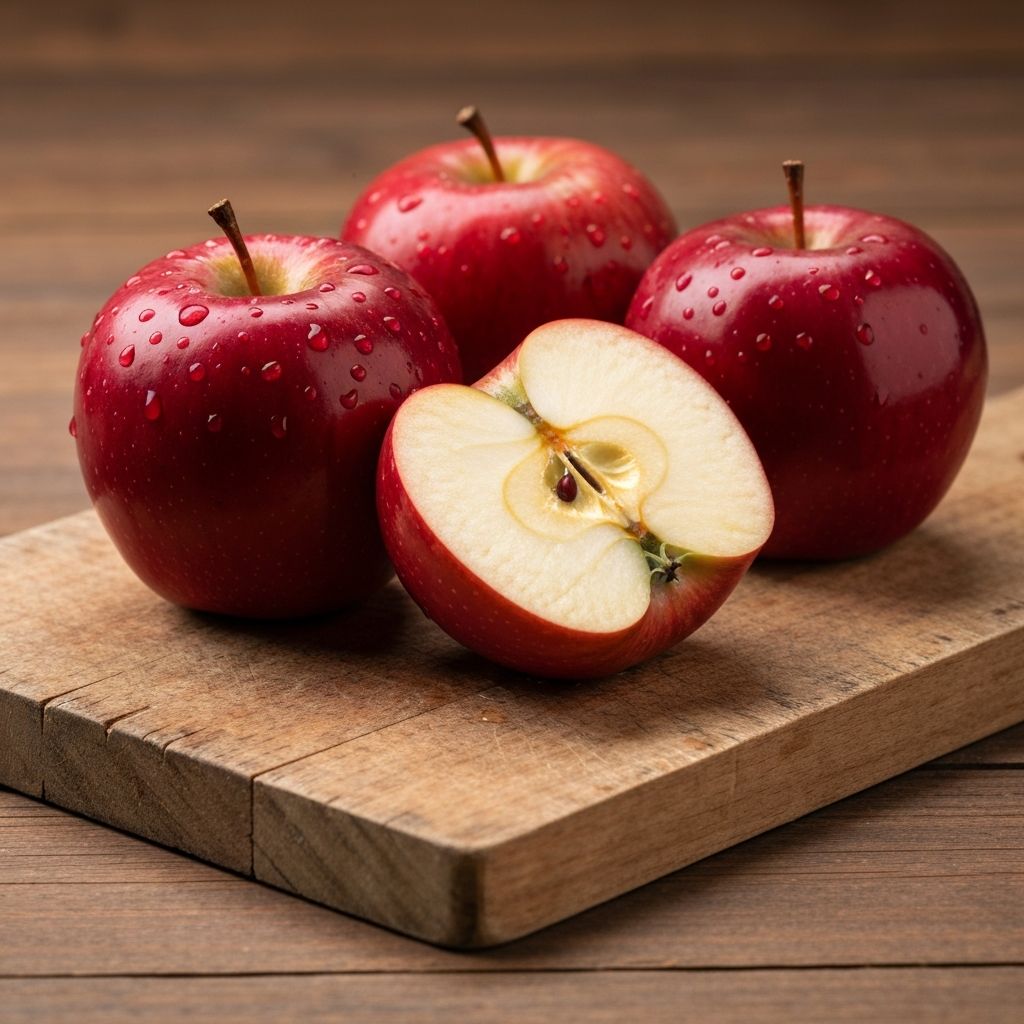
Introduction to Gala Apples
Gala apples are one of the most popular apple varieties in the world, known for their distinctive sweet flavor, crisp texture, and beautiful red-and-yellow striped skin. Originally developed in New Zealand in the 1930s as a cross between the Golden Delicious and Kidd's Orange Red varieties, Gala apples have since become a global favorite, cultivated in orchards from the United States and Europe to South America and Asia. Their mild sweetness and thin skin make them particularly appealing to children and those who prefer a less tart apple, while their versatility in both raw and cooked applications has cemented their place in kitchens worldwide.
Beyond their appealing taste and appearance, Gala apples are a nutritional treasure. Packed with vitamins, minerals, fiber, and a range of bioactive compounds, they offer numerous health benefits that make them an excellent choice for anyone looking to improve their diet. In this comprehensive guide, we will explore the full nutritional profile of a Gala apple and examine the science behind its many health benefits.
Caloric Content and Macronutrient Profile
A medium-sized Gala apple, weighing approximately 182 grams, contains about 95 calories. This modest caloric content makes Gala apples an ideal snack for anyone watching their weight or looking for a healthy alternative to processed snacks. Despite their low calorie count, Gala apples are satisfying and filling, thanks to their combination of natural sugars, fiber, and water content.
The macronutrient breakdown of a medium Gala apple is approximately 25 grams of carbohydrates, of which about 19 grams are natural sugars (a mix of fructose, glucose, and sucrose) and 4.4 grams are dietary fiber. The fiber content is particularly noteworthy, as it contributes to feelings of fullness, supports digestive health, and helps regulate blood sugar levels by slowing the absorption of sugar into the bloodstream.
Gala apples contain negligible amounts of fat (about 0.3 grams) and protein (about 0.5 grams). While they are not a significant source of these macronutrients, their carbohydrate profile, rich in fiber and natural sugars, makes them an excellent source of quick, sustained energy. The combination of fructose for immediate energy and fiber for sustained release makes Gala apples a smart choice for athletes and active individuals.
Vitamins in Gala Apples
Gala apples are a good source of several essential vitamins. The most prominent is vitamin C, with a medium Gala apple providing about 8.4 milligrams, or roughly 14% of the recommended daily value. While this is less than what you would find in citrus fruits, it is still a meaningful contribution, especially when Gala apples are consumed as part of a varied diet. Vitamin C is essential for immune function, collagen production, and antioxidant protection against free radical damage.
Gala apples also contain small amounts of vitamin A, primarily in the form of beta-carotene, which supports eye health and immune function. The red pigments in the skin of Gala apples are indicative of the carotenoid content, which serves both as a visual cue of nutritional value and as a functional component of the fruit's antioxidant capacity.
B vitamins are present in trace amounts, including riboflavin (B2), niacin (B3), pantothenic acid (B5), pyridoxine (B6), and folate (B9). While individually these amounts are small, they contribute to the overall B vitamin intake when apples are consumed regularly. B vitamins play critical roles in energy metabolism, nervous system function, and red blood cell production.
Vitamin K, important for blood clotting and bone health, is also found in Gala apples in small but measurable amounts. A medium apple provides about 4 micrograms of vitamin K, contributing to the recommended daily intake of 90 to 120 micrograms for adults.
Mineral Content
Gala apples contain a range of essential minerals, with potassium being the most abundant. A medium apple provides about 195 milligrams of potassium, an important mineral for heart health, muscle function, and fluid balance. Potassium helps counteract the effects of sodium on blood pressure, making potassium-rich foods like apples an important part of a heart-healthy diet.
Other minerals present in Gala apples include calcium, magnesium, phosphorus, manganese, iron, and zinc. While these are found in relatively small amounts, they contribute to the mineral diversity of the diet and support various physiological functions. Manganese, for example, is involved in bone formation, blood clotting, and metabolism, while magnesium plays a role in muscle and nerve function, blood sugar control, and protein synthesis.
Dietary Fiber: A Key Nutritional Highlight
One of the most significant nutritional attributes of Gala apples is their fiber content. A medium apple with its skin intact provides about 4.4 grams of dietary fiber, which is approximately 16% of the recommended daily intake. This fiber is a combination of soluble and insoluble types, each offering distinct health benefits.
The soluble fiber in Gala apples, primarily in the form of pectin, dissolves in water to form a gel-like substance in the digestive tract. Pectin has been extensively studied for its ability to lower cholesterol levels, particularly LDL (bad) cholesterol. It does this by binding to cholesterol in the gut and preventing its absorption into the bloodstream. Regular consumption of pectin-rich foods like apples has been associated with a reduced risk of cardiovascular disease.
Insoluble fiber, found predominantly in the skin of the apple, adds bulk to the stool and promotes regular bowel movements. This type of fiber is essential for preventing constipation and maintaining a healthy digestive system. For maximum fiber benefit, it is important to eat Gala apples with their skin on, as much of the fiber content is concentrated in the peel.
Antioxidants and Phytochemicals
Gala apples are rich in a variety of antioxidants and phytochemicals that provide protection against oxidative stress and chronic disease. The most well-studied of these are the polyphenols, a diverse group of plant compounds that have been shown to have anti-inflammatory, anti-cancer, and cardioprotective properties. Key polyphenols found in Gala apples include quercetin, catechin, chlorogenic acid, and phloridzin.
Quercetin, a flavonoid concentrated in the skin of the apple, is a particularly potent antioxidant that has been studied for its ability to reduce inflammation, support cardiovascular health, and protect against neurodegenerative diseases. Some research suggests that quercetin may also have anti-allergic properties, making it beneficial for individuals with allergies or asthma.
Chlorogenic acid, found in the flesh of the apple, has been associated with improved blood sugar regulation and reduced risk of type 2 diabetes. Phloridzin, another compound unique to apples, has been shown to improve bone density and may play a role in preventing osteoporosis. The synergistic action of these multiple phytochemicals means that the health benefits of eating whole apples are greater than the sum of their individual components.
Health Benefits of Eating Gala Apples
The combination of vitamins, minerals, fiber, and phytochemicals in Gala apples translates into a wide range of health benefits. Regular apple consumption has been associated with a reduced risk of heart disease, thanks to the cholesterol-lowering effects of pectin and the anti-inflammatory properties of polyphenols. Studies have shown that people who eat apples regularly have lower levels of C-reactive protein, a marker of inflammation that is associated with cardiovascular risk.
The fiber and polyphenol content of Gala apples also contribute to improved blood sugar regulation, making them a smart choice for people with diabetes or those at risk of developing the condition. The slow release of natural sugars, modulated by fiber, prevents the sharp blood sugar spikes that can follow the consumption of refined carbohydrates.
Apples have also been linked to improved gut health, as the fiber and polyphenols they contain serve as prebiotics, feeding the beneficial bacteria in the colon. A healthy gut microbiome is increasingly recognized as a cornerstone of overall health, influencing everything from immune function to mental health.
The old saying "an apple a day keeps the doctor away" may have more scientific basis than was once thought. Large-scale epidemiological studies have consistently found that regular apple consumption is associated with a reduced risk of several chronic diseases, including certain cancers, cardiovascular disease, type 2 diabetes, and asthma. While apples alone are not a cure-all, they are a valuable component of a healthy, balanced diet.
How to Get the Most Nutrition from Gala Apples
To maximize the nutritional benefits of Gala apples, eat them whole and with the skin on. The skin contains the highest concentration of fiber, antioxidants, and phytochemicals, and removing it significantly reduces the nutritional value of the fruit. If pesticide residues are a concern, opt for organic Gala apples or wash conventional apples thoroughly under running water before eating.
Fresh Gala apples retain the most nutrients, but dried apple slices can also be a healthy snack option, provided they are made without added sugars or preservatives. Apple juice, while refreshing, lacks the fiber and much of the phytochemical content of whole apples and is not a nutritional substitute for eating the whole fruit.
Conclusion
Gala apples are a nutritious, delicious, and versatile fruit that deserves a prominent place in any healthy diet. With their impressive fiber content, beneficial vitamins and minerals, and rich array of antioxidants and phytochemicals, they offer a wide range of health benefits that extend far beyond simple sustenance. Whether enjoyed as a quick snack, sliced into salads, baked into desserts, or blended into smoothies, Gala apples provide wholesome nutrition in a naturally sweet and satisfying package. By making Gala apples a regular part of your diet, you are investing in your long-term health one delicious bite at a time.
