
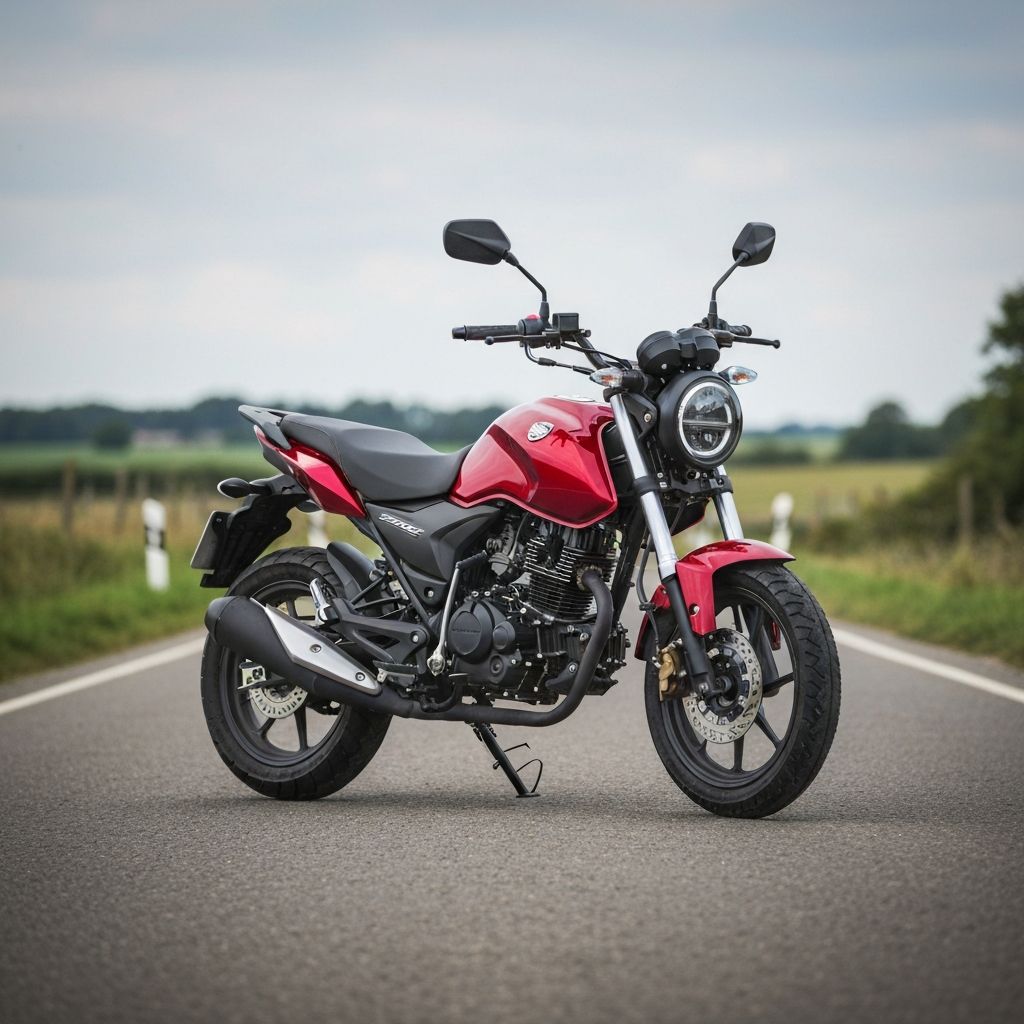
Why Choosing the Right Beginner Motorcycle Matters
Selecting your first motorcycle is one of the most exciting and important decisions you will make as a new rider. For women entering the world of motorcycling, the bike selection process involves several considerations that extend beyond simple brand preference or aesthetic appeal. Seat height, overall weight, engine displacement, and ergonomic fit all play critical roles in determining whether your first riding experience will be confident and enjoyable or intimidating and frustrating.
The motorcycle industry has made tremendous strides in recent years toward inclusivity, with manufacturers developing models that accommodate a wider range of body types and experience levels. The outdated notion that motorcycles are inherently designed for larger male riders is rapidly fading as companies like Honda, Kawasaki, Yamaha, and Harley-Davidson engineer platforms specifically optimized for newer riders of all genders and statures. Understanding what to look for in a beginner motorcycle empowers you to make a choice that supports your learning curve and fuels your passion for riding.
Key Factors to Consider
Seat height is arguably the most important ergonomic consideration for beginner riders, particularly for women who may have shorter inseams than the average male rider. The ability to place both feet flat on the ground while stopped provides essential confidence and stability, especially in slow-speed maneuvering situations like parking lots, intersections, and gas stations. Motorcycles with seat heights between 27 and 30 inches accommodate a wide range of rider heights, though individual inseam measurements should be the primary guide rather than overall height.
Weight directly impacts handling confidence and the ability to manage the motorcycle at low speeds and during stops. Most manufacturers list curb weight, which includes all fluids necessary for operation. For beginner riders, motorcycles under 400 pounds offer the easiest learning platform, as they are more forgiving during slow-speed wobbles and less physically demanding to hold upright if balance is momentarily lost. As your skills and confidence develop, transitioning to heavier machines becomes a natural progression.
Engine displacement, measured in cubic centimeters (cc), determines the motorcycle's power output and, consequently, its acceleration and top speed capabilities. For beginners, engines between 250cc and 500cc provide sufficient power for highway riding while remaining manageable for new riders learning throttle control. Avoid the temptation to start on a larger, more powerful machine with the reasoning that you will grow into it. The habits formed on an appropriately sized first motorcycle create the foundation for safe riding on any future machine.
Riding position and ergonomics affect both comfort and control. Standard (upright) and cruiser positions are generally most comfortable for beginners, with the rider's feet positioned below or slightly forward of the hips and hands at a natural reach to the handlebars. Sport bike positions that lean the rider forward over the fuel tank can strain the wrists, shoulders, and lower back during the extended practice sessions that new riders require to build fundamental skills.
Best Standard and Naked Bikes for Beginners
The Honda Rebel 300 consistently ranks among the top recommendations for beginner women riders, and for excellent reasons. With a seat height of 27.2 inches, a curb weight of 364 pounds, and a smooth, forgiving 286cc single-cylinder engine, the Rebel 300 is accessible to riders of virtually any stature. Its cruiser-inspired styling appeals to a broad aesthetic preference, and Honda's legendary reliability ensures minimal mechanical concerns during the critical first years of riding.
The Kawasaki Ninja 400 offers a sportier option for beginners who prefer the look and feel of a sport bike without the extreme ergonomics of full-size race replicas. At 366 pounds with a 30.9-inch seat height, it is lightweight and manageable. The 399cc parallel-twin engine produces smooth, linear power that is exciting without being overwhelming, and the upright-biased riding position is significantly more comfortable than larger sport bikes in the Kawasaki lineup.
The Yamaha MT-03 represents the naked bike category with its aggressive styling and approachable performance. Sharing its 321cc parallel-twin engine with the sportier YZF-R3, the MT-03 pairs this proven powerplant with upright ergonomics and a 30.7-inch seat height. The wide handlebars provide excellent leverage for low-speed maneuvering, and the lightweight chassis responds intuitively to rider inputs, building confidence quickly for new riders.
The Royal Enfield Meteor 350 deserves special mention as a beautifully crafted cruiser that combines vintage aesthetics with modern engineering. Its 349cc single-cylinder engine produces smooth, manageable power, and the 29.7-inch seat height accommodates shorter riders comfortably. The Meteor's relaxed riding position, chrome-accented styling, and remarkably affordable price point make it an attractive first motorcycle that does not look or feel like a starter bike.
Best Cruisers for Women Beginners
Cruiser-style motorcycles are perennially popular among women riders for their low seat heights, relaxed riding positions, and classic styling. The Honda Rebel 500 steps up from the 300 with a 471cc parallel-twin engine that provides noticeably more power for highway riding while maintaining the same beginner-friendly chassis dimensions and 27.2-inch seat height as its smaller sibling. This makes it an excellent choice for riders who want a bike that will remain satisfying beyond the first year of riding.
The Harley-Davidson Softail Standard offers an entry point into the iconic Harley-Davidson brand with a relatively accessible platform. While heavier than Japanese alternatives at 639 pounds, the Softail Standard's extremely low 25.3-inch seat height means that even shorter riders can plant both feet firmly on the ground. The Milwaukee-Eight 107 engine produces strong but manageable low-end torque, and the bike's traditional cruiser proportions make it one of the most confidence-inspiring platforms at parking lot speeds.
The Indian Scout Sixty provides another American cruiser option with a lower price point and lighter weight than full-size Indian motorcycles. Its 999cc V-twin engine might seem large on paper, but its power delivery is smooth and progressive, with electronics that help manage traction in slippery conditions. The 25.6-inch seat height is among the lowest in the cruiser category, making it exceptionally accessible for shorter riders who want a larger motorcycle presence.
Essential Gear and Safety Equipment
Regardless of which motorcycle you choose, proper riding gear is non-negotiable for safe motorcycling. A properly fitted helmet is the single most important piece of safety equipment, reducing the risk of fatal head injuries by approximately 37% according to NHTSA data. Full-face helmets provide the most comprehensive protection, covering the entire head and face. Ensure your helmet meets DOT certification standards at minimum, with Snell or ECE certifications providing additional assurance of quality.
Riding jackets, pants, gloves, and boots designed specifically for motorcycling incorporate armor, abrasion-resistant materials, and reflective elements that everyday clothing cannot match. Many manufacturers now produce women-specific riding gear with proportioned fits that account for different body shapes, eliminating the need to wear oversized men's gear that can compromise both comfort and protection. Invest in quality gear from the outset, as it is an investment in your safety and confidence on the road.
Getting Proper Training
Completing a motorcycle safety course is the single most effective step any new rider can take to build skills and confidence. The Motorcycle Safety Foundation (MSF) Basic RiderCourse is available in most states and provides structured instruction covering basic motorcycle operation, slow-speed maneuvering, emergency braking, and swerving techniques. Many states accept MSF course completion in lieu of the riding portion of the motorcycle license examination.
Beyond formal training, practice in controlled environments is essential during your first months of riding. Empty parking lots on weekends provide ideal spaces for practicing figure eights, emergency stops, and slow-speed turns that build the muscle memory and balance skills needed for confident street riding. Avoid the highway during your first few weeks of riding, focusing instead on quiet residential streets and familiar routes that allow you to concentrate on developing fundamental skills without the added stress of high-speed traffic.
Conclusion
The motorcycle industry offers more beginner-friendly options for women riders than at any point in its history. By prioritizing proper fit, manageable weight and power, and investing in quality training and safety gear, your entry into motorcycling can be safe, confident, and thoroughly enjoyable. The right first motorcycle is not about compromise; it is about finding the machine that empowers you to develop your skills and discover the freedom that riding provides.
