
Foods That Start with U: A Global Culinary Exploration
When it comes to foods that start with the letter U, you might initially struggle to think of examples beyond a few common ones. However, the world of cuisine is vast and diverse, and there are far more U foods than you might expect. From Japanese noodles to Filipino desserts, from African porridge to British pastries, this alphabetical adventure takes you on a culinary journey across continents and cultures.
Whether you are playing a food-themed trivia game, expanding your culinary vocabulary, or genuinely looking for new ingredients to try, this comprehensive list of foods starting with U has something for everyone. Each entry includes a description of the food, its cultural significance, and suggestions for how to enjoy it.
Udon Noodles
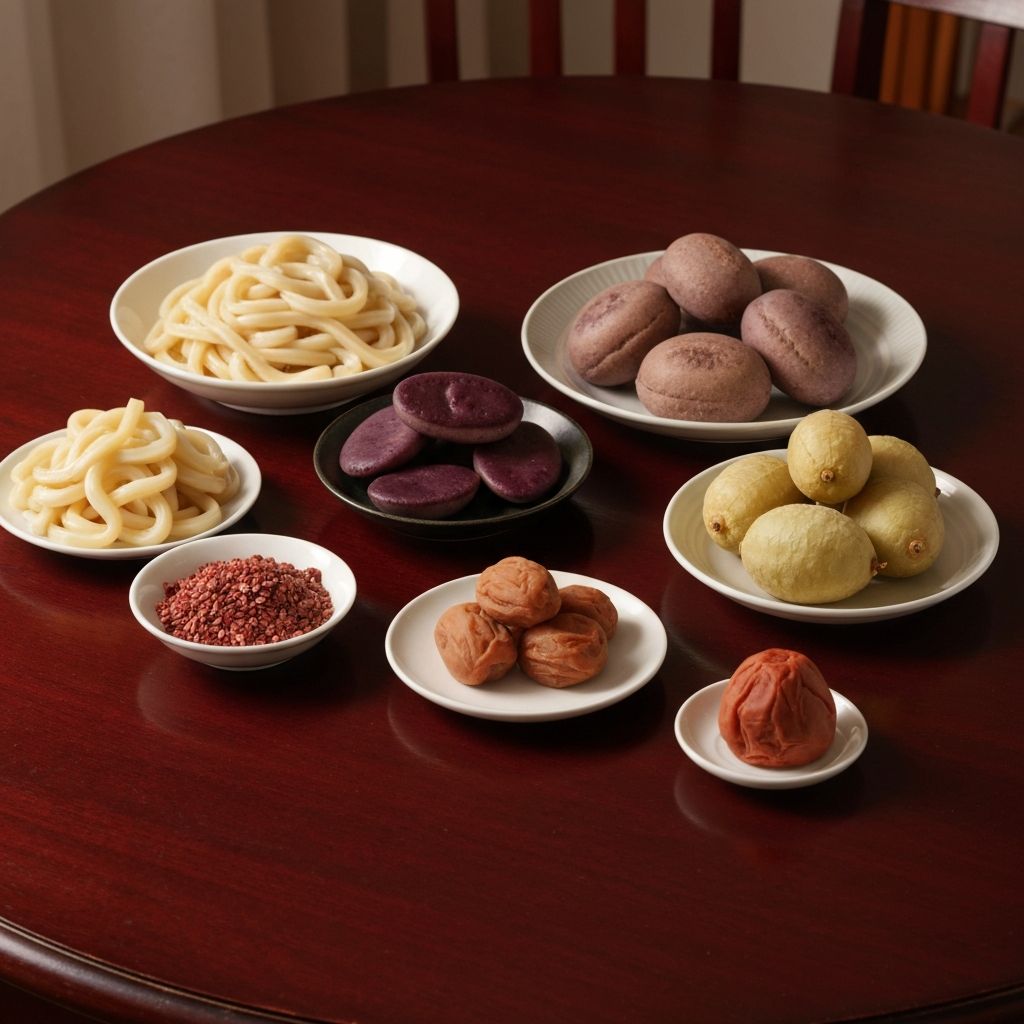
Udon is a thick, chewy Japanese noodle made from wheat flour, water, and salt. These noodles are a staple of Japanese cuisine and are enjoyed in a variety of hot and cold dishes throughout the year. The distinctive thick, round shape and satisfyingly chewy texture set udon apart from other noodle varieties.
In Japan, udon is served in countless preparations. Kake udon features noodles in a simple hot broth made from dashi, soy sauce, and mirin. Tempura udon adds crispy fried shrimp or vegetables on top. Kitsune udon is topped with sweetened fried tofu, while tanuki udon includes crunchy tempura flakes. Cold udon dishes like zaru udon are popular in summer, served on a bamboo mat with a dipping sauce on the side.
Making udon at home is surprisingly straightforward. The dough requires just three ingredients, though it needs significant kneading and resting time to develop the characteristic chewiness. Pre-made fresh, frozen, and dried udon noodles are widely available in Asian grocery stores and many regular supermarkets, making it easy to enjoy this versatile noodle at home.
Ube
Ube is a purple yam native to the Philippines and Southeast Asia that has gained enormous popularity worldwide for its stunning violet color and sweet, nutty flavor. The vibrant purple hue of ube is entirely natural, making it a favorite for visually striking desserts and beverages without the need for artificial coloring.
In Filipino cuisine, ube is used in a wide range of sweet preparations. Ube halaya is a popular jam made by cooking mashed purple yam with condensed milk, butter, and coconut milk until thick and smooth. Ube ice cream is a beloved Filipino flavor, and ube is also featured in halo-halo, a layered shaved ice dessert. Ube-flavored cakes, cookies, donuts, and pancakes have become trendy worldwide as the ingredient has gained international recognition.
Fresh ube can be difficult to find outside of Asian grocery stores, but ube extract, ube powder, and frozen ube are increasingly available. These products make it easy to incorporate the distinctive flavor and color into your baking and cooking. When using fresh ube, it should be boiled or steamed until tender before mashing or pureeing for use in recipes.
Ugli Fruit
The ugli fruit, also known as the Jamaican tangelo, is a citrus fruit that is a natural hybrid of a grapefruit, an orange, and a tangerine. Despite its rough, bumpy, and somewhat unattractive exterior, the ugli fruit is prized for its exceptionally sweet, juicy flesh that combines the best flavors of its parent fruits.
Ugli fruit originated in Jamaica, where it was discovered growing wild in the early 20th century. It is now cultivated commercially and exported to markets around the world, primarily during its season from December through April. The fruit is typically larger than an orange, with a loose, easy-to-peel skin that ranges in color from green to yellow to orange.
The flesh of the ugli fruit is similar to a grapefruit but sweeter and less acidic, making it more approachable for people who find grapefruit too tart. It can be eaten fresh, segmented and added to salads, juiced for beverages, or used in desserts and marmalades. The mild, sweet flavor makes it an excellent addition to fruit salads and smoothies.
Umeboshi
Umeboshi are Japanese pickled plums that have been a staple of Japanese cuisine for centuries. Made from ume fruit that is salted and dried, then often colored with red shiso leaves, umeboshi are known for their intensely sour, salty, and slightly sweet flavor. They are considered a traditional health food in Japan and are commonly eaten with rice, placed inside onigiri rice balls, or used as a flavoring agent in various dishes.
The preparation of traditional umeboshi is a time-honored process that takes several weeks. Fresh ume fruits are harvested in early summer, salted heavily, and weighted to draw out their juices. After several weeks of pickling, they are dried in the sun for three days before being returned to the pickling liquid. The result is a wrinkled, deeply flavored preserved fruit with remarkable keeping properties.
Umeboshi are valued not only for their unique flavor but also for their purported health benefits. They are believed to aid digestion, combat fatigue, prevent nausea, and provide antimicrobial properties. In Japan, umeboshi are often eaten when feeling unwell, and umeboshi paste is a popular ingredient in dressings, sauces, and marinades that adds a complex sour-salty dimension to dishes.
Upside-Down Cake
Upside-down cake is a classic American dessert where fruit is placed on the bottom of the baking pan, covered with cake batter, and then inverted after baking so the fruit becomes the top of the cake. The most iconic version is the pineapple upside-down cake, featuring caramelized pineapple rings and maraschino cherries on a buttery, brown sugar-glazed surface.
The upside-down cake has roots in the early 20th century, with its popularity soaring after the Dole company promoted canned pineapple recipes in the 1920s. However, the concept of inverting cakes with fruit dates back much further in European baking traditions. French tarte tatin, for example, uses a similar technique with apples.
Modern variations of upside-down cake use a wide range of fruits beyond pineapple. Peach, apple, plum, cherry, cranberry, and mango upside-down cakes are all popular alternatives. The key to a great upside-down cake is a generous layer of butter and brown sugar that caramelizes during baking, creating a glossy, sweet topping when the cake is flipped. Some contemporary versions incorporate spices like cinnamon, ginger, or cardamom, and use alternative flours or sweeteners for dietary variations.
Ugali
Ugali is a staple food in many East African countries, particularly Kenya, Tanzania, and Uganda. It is a dense, porridge-like food made by cooking maize flour (cornmeal) with water until it forms a thick, dough-like consistency. Ugali serves as the primary carbohydrate in many East African meals and is typically eaten alongside meat, fish, vegetable stews, and sukuma wiki (collard greens).
The preparation of ugali is simple but requires practice to achieve the right consistency. Water is brought to a boil, and maize flour is gradually added while stirring vigorously with a wooden spoon to prevent lumps. The mixture is cooked over medium heat, with continuous stirring, until it becomes thick enough to pull away from the sides of the pot cleanly. The finished ugali is turned out onto a plate and shaped into a mound or patted into a flat disc.
Eating ugali is a communal experience in many East African cultures. It is traditionally eaten with the hands, with pieces torn off and shaped into small balls or scoops that are used to pick up accompanying dishes. Ugali is valued not only for its nutritional content but also for its ability to provide sustained energy throughout the day, making it an essential food for farming communities and laborers.
More Foods Starting with U
Beyond the major entries above, several other foods begin with the letter U. Unagi is the Japanese term for freshwater eel, commonly served grilled with a sweet soy-based sauce over rice in a dish called unadon. Urfa biber is a Turkish chili pepper flake with a deep, smoky, almost chocolate-like flavor that has become popular in gourmet cooking. Ulluco is a tuberous vegetable native to South America with colorful tubers that can be cooked similarly to potatoes.
Unsalted butter is a kitchen essential used in baking and cooking where precise salt control is desired. Uszka are small Polish dumplings traditionally filled with wild mushrooms and served in borscht on Christmas Eve. Uttapam is a South Indian pancake made from a fermented batter of rice and black lentils, topped with vegetables and herbs.
These diverse foods demonstrate that the letter U offers a surprising variety of culinary treasures from around the world. Exploring unfamiliar ingredients is one of the great joys of cooking, and each of these U foods offers a gateway to a different culinary tradition and culture.
