
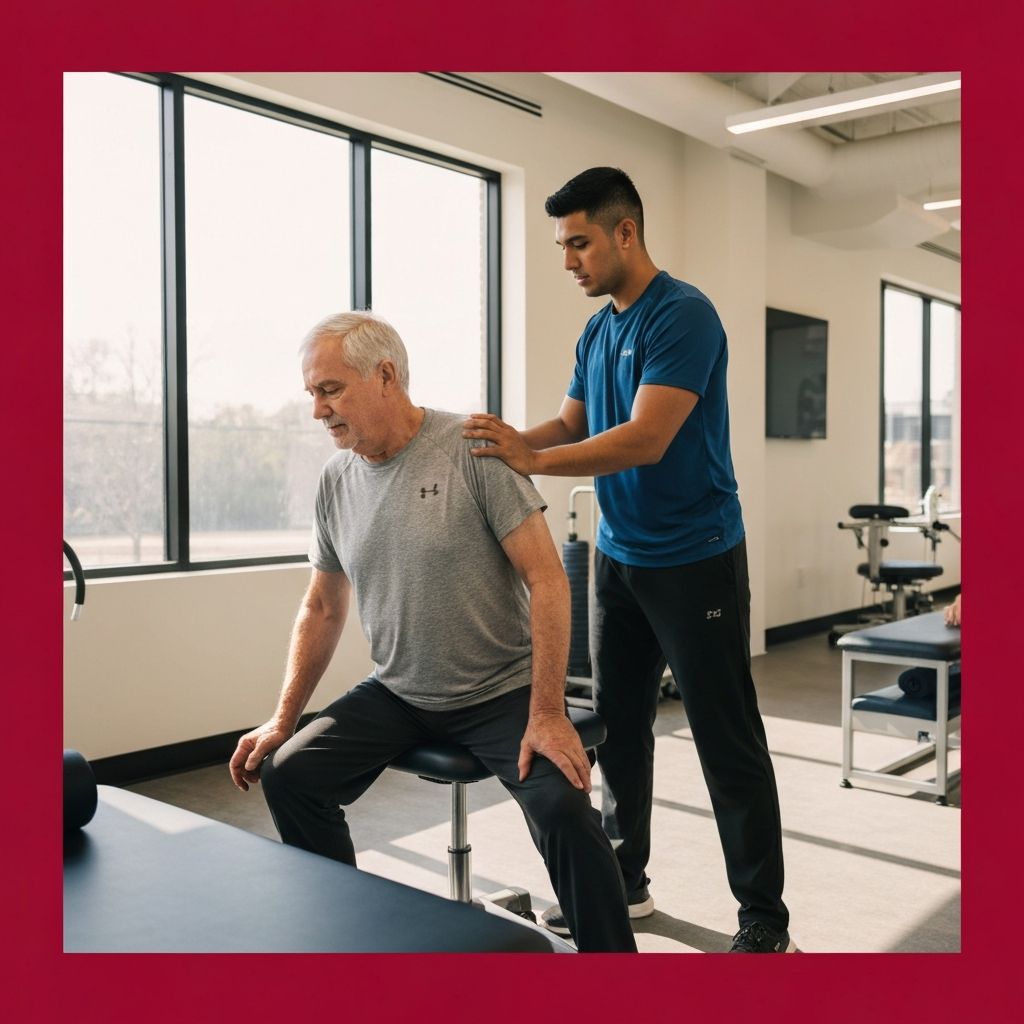
The Path to Becoming a Physical Therapist
Physical therapy is a rewarding and growing healthcare profession that helps people recover from injuries, manage chronic conditions, and improve their overall mobility and quality of life. If you're considering a career as a physical therapist, understanding the educational requirements and timeline is an essential first step in your journey.
The total time required to become a licensed physical therapist in the United States is typically seven years after high school. This includes four years of undergraduate education followed by three years in a Doctor of Physical Therapy (DPT) program. Some pathways may take slightly longer or shorter depending on individual circumstances, but seven years is the standard benchmark for most aspiring physical therapists.
Undergraduate Education: Four Years
The first phase of your educational journey is completing a bachelor's degree, which typically takes four years of full-time study. While there is no single required major for admission to DPT programs, most aspiring physical therapists choose majors in biology, kinesiology, exercise science, health sciences, or a related field.
Regardless of your chosen major, you'll need to complete specific prerequisite courses required by DPT programs. These prerequisites typically include anatomy and physiology, biology, chemistry, physics, psychology, statistics, and English composition. Some DPT programs also require courses in medical terminology, exercise physiology, and abnormal psychology.
Maintaining a strong grade point average during your undergraduate years is critical for admission to competitive DPT programs. Most programs require a minimum GPA of 3.0, but competitive applicants typically have GPAs of 3.5 or higher. Science course grades are particularly important, as admissions committees closely evaluate performance in prerequisite science courses.
In addition to coursework, most DPT programs require applicants to have completed a minimum number of volunteer or paid observation hours in physical therapy settings. These hours, typically ranging from 100 to 200 hours, demonstrate your commitment to the profession and provide valuable exposure to the daily realities of physical therapy practice. Starting these hours early in your undergraduate career is advisable.
Doctor of Physical Therapy (DPT) Program: Three Years
After completing your bachelor's degree, the next step is enrolling in a Doctor of Physical Therapy program. The DPT is a doctoral-level professional degree that has been the standard entry-level degree for physical therapists since 2015, when the American Physical Therapy Association transitioned from master's-level programs to doctoral programs.
DPT programs are typically three years in length, though some programs may be slightly shorter or longer. These programs are rigorous and intensive, combining classroom instruction, laboratory experiences, and extensive clinical rotations to prepare students for independent practice.
Year One: The first year of a DPT program focuses heavily on foundational sciences and basic clinical skills. Courses typically include advanced anatomy (often with cadaver dissection), physiology, biomechanics, neuroscience, pathology, and pharmacology. Students also begin developing clinical examination and assessment skills through hands-on laboratory sessions.
Year Two: The second year builds on the foundational knowledge with more advanced clinical coursework. Students study specific patient populations and conditions, including orthopedic, neurological, cardiovascular, and pediatric physical therapy. Evidence-based practice, clinical reasoning, and intervention techniques are major focuses. Many programs begin integrating clinical experiences during this year, with students spending designated periods in clinical settings under the supervision of licensed physical therapists.
Year Three: The final year is heavily focused on clinical education and professional development. Students complete several full-time clinical rotations, typically totaling 30 to 36 weeks of supervised clinical practice across different settings. These rotations may include acute care hospitals, outpatient clinics, rehabilitation centers, pediatric facilities, and specialty practices. The third year also includes coursework in professional issues, practice management, health policy, and preparation for the licensure examination.
Licensure Requirements
After graduating from an accredited DPT program, you must pass the National Physical Therapy Examination (NPTE) to obtain your license to practice. The NPTE is administered by the Federation of State Boards of Physical Therapy and is required in all 50 states and the District of Columbia.
The examination is a comprehensive, computer-based test consisting of 200 multiple-choice questions covering the full scope of physical therapy practice. Topics include the musculoskeletal, neuromuscular, cardiovascular-pulmonary, and integumentary systems, as well as non-system domains like professional responsibilities and research.
Most states also require applicants to pass a jurisprudence examination covering state-specific laws and regulations governing physical therapy practice. Some states have additional requirements, such as criminal background checks and continuing education commitments.
The licensure process typically takes two to four months from graduation to receiving your license, depending on examination scheduling, state processing times, and any additional requirements. Most new graduates take the NPTE within a few months of graduation while the material is still fresh.
Alternative and Accelerated Pathways
While the traditional pathway takes seven years, several alternative routes can modify this timeline.
3+3 Programs: Some universities offer combined bachelor's-to-DPT programs that allow students to enter the DPT program after three years of undergraduate study instead of four. These "3+3" programs reduce the total educational timeline to six years. Students in these programs typically complete their prerequisite courses in an accelerated format during their first three years and then transition directly into the DPT program.
Freshman Direct Admit Programs: A few DPT programs offer direct admission to high school seniors, guaranteeing them a spot in the DPT program upon completion of the undergraduate prerequisites with satisfactory grades. While this doesn't shorten the timeline, it provides peace of mind and eliminates the stress of the DPT application process during undergraduate years.
Post-Baccalaureate Programs: For career changers who already have a bachelor's degree in an unrelated field, post-baccalaureate prerequisite programs allow them to complete the required science courses before applying to DPT programs. Depending on how many prerequisites need to be completed, this can add one to two years to the overall timeline.
Bridge Programs: Physical therapist assistants (PTAs) who hold associate degrees may be eligible for bridge programs that provide an accelerated pathway to the DPT. These programs recognize the clinical experience and foundational knowledge PTAs bring and may reduce the DPT program length by one to two semesters.
Specialization and Residency: Optional Additional Training
After obtaining licensure, some physical therapists choose to pursue additional specialization through residency and fellowship programs. While not required for practice, these programs provide advanced training in specific areas of physical therapy.
Physical therapy residencies are typically one to two years in length and provide intensive, mentored clinical training in a specific practice area. The American Board of Physical Therapy Specialties recognizes specializations in areas including orthopedics, sports, neurology, geriatrics, pediatrics, cardiovascular and pulmonary, clinical electrophysiology, oncology, and women's health.
Fellowship programs provide even more advanced training beyond residency, focusing on subspecialty areas. These programs are typically one year in length and involve extensive clinical practice, research, and teaching responsibilities.
Cost of Physical Therapy Education
The financial investment in physical therapy education is substantial and should be considered when planning your educational timeline. Total costs for the seven-year educational path can range from $100,000 to $300,000 or more, depending on whether you attend public or private institutions and whether you qualify for in-state tuition.
Undergraduate education costs vary widely, from $10,000 per year at public in-state universities to $50,000 or more per year at private institutions. DPT program tuition ranges from approximately $15,000 to $45,000 per year, with additional costs for books, supplies, and clinical rotation expenses.
Financial aid options include federal student loans, scholarships, grants, and work-study programs. Some employers offer tuition reimbursement for physical therapy education, and the federal Public Service Loan Forgiveness program may be available to physical therapists working in qualifying nonprofit or government settings.
Career Outlook and Salary Expectations
The investment of time and money in physical therapy education is supported by strong career prospects. The Bureau of Labor Statistics projects that employment of physical therapists will grow 15 percent from 2022 to 2032, much faster than the average for all occupations. This growth is driven by an aging population, increased awareness of the benefits of physical therapy, and expanding scope of practice.
The median annual salary for physical therapists was approximately $97,720 as of recent data, with the top 10 percent earning more than $127,000. Salaries vary by setting, geographic location, and specialization. Physical therapists in home health services and nursing care facilities tend to earn higher salaries than those in outpatient clinics, though work environments and caseloads differ significantly.
Conclusion
Becoming a physical therapist requires approximately seven years of post-secondary education, including four years of undergraduate study and three years in a Doctor of Physical Therapy program. Accelerated pathways can reduce this to six years, while additional specialization adds one to three years. Despite the significant time and financial investment, the strong job outlook, competitive salaries, and deeply rewarding nature of the work make physical therapy an excellent career choice for those passionate about helping others achieve their physical potential.
