
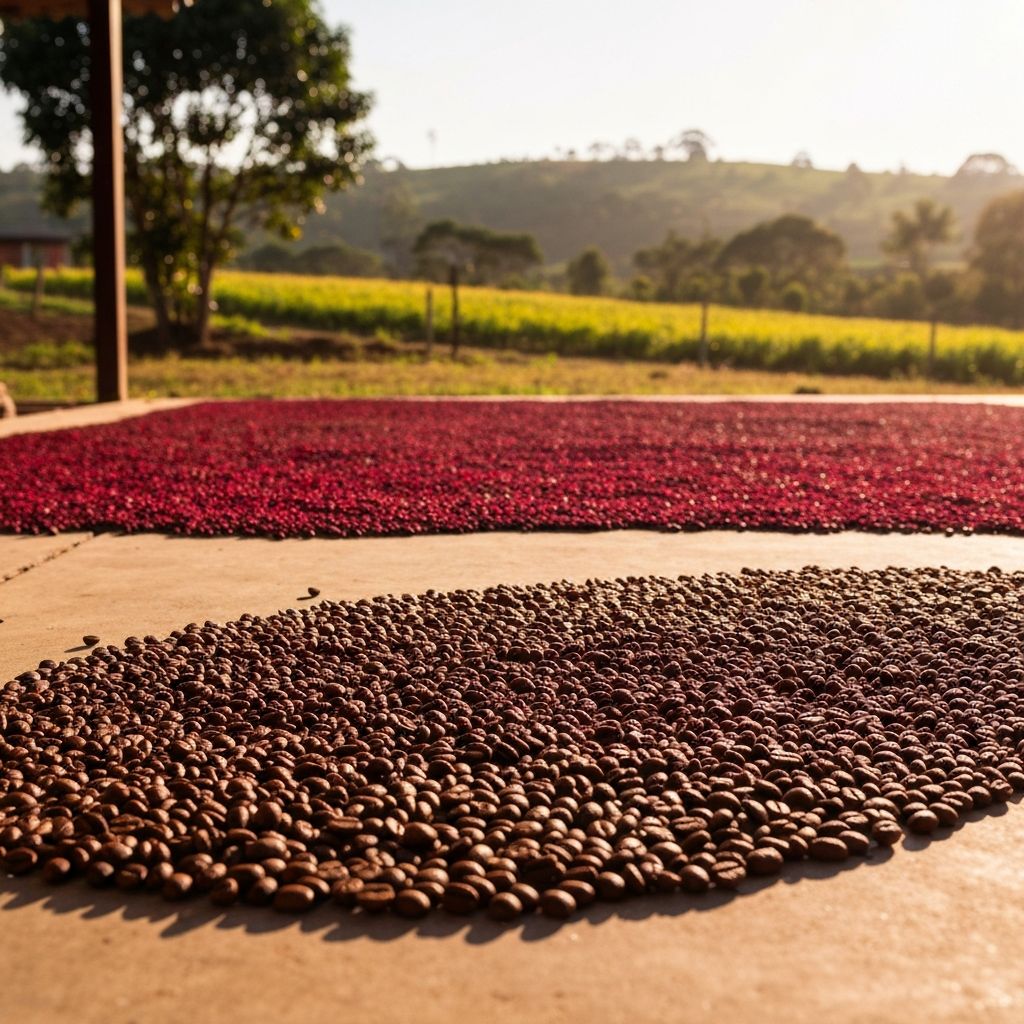
Introduction to Drying Coffee on Concrete
The practice of drying coffee on concrete, known in French as mettre le cafe a secher sur le beton, is one of the oldest and most widely used methods of coffee processing in the world. From the highlands of Ethiopia to the plantations of Brazil and the farms of Central America, concrete patios have served as the foundation for transforming freshly harvested coffee cherries into the dried beans that eventually make their way into your morning cup. This process is both an art and a science, requiring careful attention to detail and an understanding of how environmental conditions affect the final quality of the bean.
Coffee drying is a critical step in the post-harvest processing chain. After the cherries are picked and the outer fruit is removed through either wet or dry processing methods, the beans still contain a significant amount of moisture. If this moisture is not properly reduced, the beans can develop mold, ferment unevenly, or lose their desirable flavor characteristics. Concrete patio drying offers a cost-effective and accessible solution for farmers of all scales, but it must be done correctly to preserve the quality of the coffee.
Why Concrete Patios Are Used for Coffee Drying
Concrete patios are favored for coffee drying for several practical reasons. First, concrete provides a clean, flat, and stable surface that allows for even distribution of coffee beans. Unlike drying on bare soil, which can introduce contaminants and uneven moisture levels, concrete offers a hygienic environment that minimizes the risk of contamination from dirt, insects, and other debris.
Second, concrete absorbs and radiates heat from the sun, which accelerates the drying process. The thermal mass of concrete means that it retains heat even as the sun moves across the sky, providing a consistent drying temperature throughout the day. This is particularly beneficial in regions where cloud cover or cooler temperatures can slow down the drying process.
Third, concrete patios are durable and relatively inexpensive to construct. Once built, they require minimal maintenance and can be used for many years, making them a sound investment for coffee farmers. In many coffee-producing regions, communal concrete patios are shared among multiple farmers, further reducing costs and promoting community cooperation.
The Step-by-Step Process of Drying Coffee on Concrete
The process begins with spreading the freshly washed or naturally processed coffee beans evenly across the concrete patio. The beans should be spread in a thin, uniform layer, typically no more than a few centimeters thick. This ensures that air circulates freely around each bean, promoting even drying and preventing the development of hot spots that could damage the coffee.
Throughout the day, the beans must be raked or turned regularly. This is usually done every 30 to 60 minutes during peak sunlight hours. Turning the beans prevents them from sticking to the concrete surface and ensures that all sides of each bean are exposed to the sun and air. Neglecting this step can result in uneven drying, with some beans becoming over-dried on one side while remaining too moist on the other.
As the sun begins to set, the beans are gathered into piles or covered with tarps to protect them from evening dew and overnight moisture. In the morning, the beans are spread out again, and the process continues. Depending on the climate and the initial moisture content of the beans, drying on concrete can take anywhere from five to fourteen days.
Monitoring Moisture Content
One of the most important aspects of drying coffee on concrete is monitoring the moisture content of the beans. The target moisture level for green coffee beans is typically between 10% and 12%. Drying the beans below this range can make them brittle and prone to cracking during roasting, while leaving them above this range increases the risk of mold growth and fermentation during storage.
Professional coffee producers use moisture meters to precisely measure the water content of the beans throughout the drying process. However, many small-scale farmers rely on sensory methods, such as biting into a bean to assess its hardness or listening to the sound it makes when dropped onto a hard surface. Experienced farmers can often judge moisture content with remarkable accuracy using these traditional techniques.
Potential Risks and Challenges
While drying coffee on concrete is a proven method, it is not without its challenges. One of the primary risks is contamination from the concrete surface itself. Over time, concrete can develop cracks and crevices that harbor bacteria, mold spores, and other contaminants. Regular cleaning and maintenance of the patio are essential to prevent these issues.
Another challenge is the potential for over-drying or uneven drying due to fluctuations in weather conditions. Sudden rain showers, unexpected cloud cover, or changes in humidity can disrupt the drying process and compromise the quality of the beans. Farmers must be vigilant and ready to cover the beans at a moment's notice when weather conditions change.
There is also the risk of the beans absorbing odors or flavors from the concrete surface, particularly if the patio has been used for other purposes or has been recently repaired with chemical sealants. For this reason, many specialty coffee producers dedicate their concrete patios exclusively to coffee drying and avoid using any chemical treatments on the surface.
Best Practices for Optimal Results
To achieve the best results when drying coffee on concrete, farmers should follow several key best practices. First, the concrete patio should be thoroughly cleaned and dried before each use. Any debris, standing water, or residual material from previous batches should be removed to prevent contamination.
Second, the beans should be spread in a thin, even layer and turned frequently throughout the day. Consistent turning ensures uniform drying and prevents the development of off-flavors or mold. Using a rake or similar tool makes this process more efficient and less labor-intensive.
Third, farmers should invest in quality tarps or covers to protect the beans from rain and overnight moisture. These covers should be breathable to prevent condensation from forming on the beans, which can reverse the drying progress.
Fourth, monitoring the weather forecast is crucial. By planning the drying schedule around favorable weather conditions, farmers can minimize disruptions and achieve more consistent results. In regions with unpredictable weather, having a backup drying facility, such as a covered greenhouse or mechanical dryer, can be a valuable safety net.
Comparison with Other Drying Methods
Concrete patio drying is just one of several methods used to dry coffee beans. Other common methods include raised bed drying (also known as African bed drying), mechanical drying, and greenhouse drying. Each method has its own advantages and disadvantages, and the best choice depends on the specific circumstances of the farmer.
Raised bed drying is often considered superior to concrete patio drying because it allows air to circulate beneath the beans, promoting more even and faster drying. However, raised beds require more initial investment and are more labor-intensive to maintain. Mechanical dryers offer the fastest drying times and the most control over temperature and humidity, but they are expensive to purchase and operate, making them impractical for many small-scale farmers.
Greenhouse drying combines the benefits of sun drying with protection from rain and pests, but the construction costs can be significant. For many farmers, concrete patio drying remains the most practical and cost-effective option, especially when combined with careful monitoring and best practices.
The Impact on Coffee Flavor
The drying method used can have a significant impact on the final flavor of the coffee. Properly dried coffee beans that have been handled with care on a clean concrete patio will typically exhibit clean, bright flavors with good acidity and sweetness. In contrast, beans that have been over-dried, under-dried, or contaminated during the drying process may develop musty, fermented, or otherwise undesirable flavor notes.
Specialty coffee buyers and roasters pay close attention to the drying methods used by their suppliers, and coffee that has been properly dried on well-maintained concrete patios can command premium prices in the market. For farmers, investing in proper drying techniques is not just a matter of quality control but also an economic decision that can significantly impact their income.
Conclusion
Drying coffee on concrete is a time-honored practice that continues to play a vital role in coffee production around the world. While it requires patience, attention to detail, and an understanding of environmental factors, the results can be excellent when done correctly. By following best practices, monitoring moisture content, and maintaining clean and well-prepared drying surfaces, farmers can produce high-quality dried coffee beans that meet the standards of even the most discerning buyers. Whether you are a coffee farmer looking to improve your drying techniques or a coffee enthusiast curious about the journey from cherry to cup, understanding the process of drying coffee on concrete provides valuable insight into the craft and science of coffee production.
