
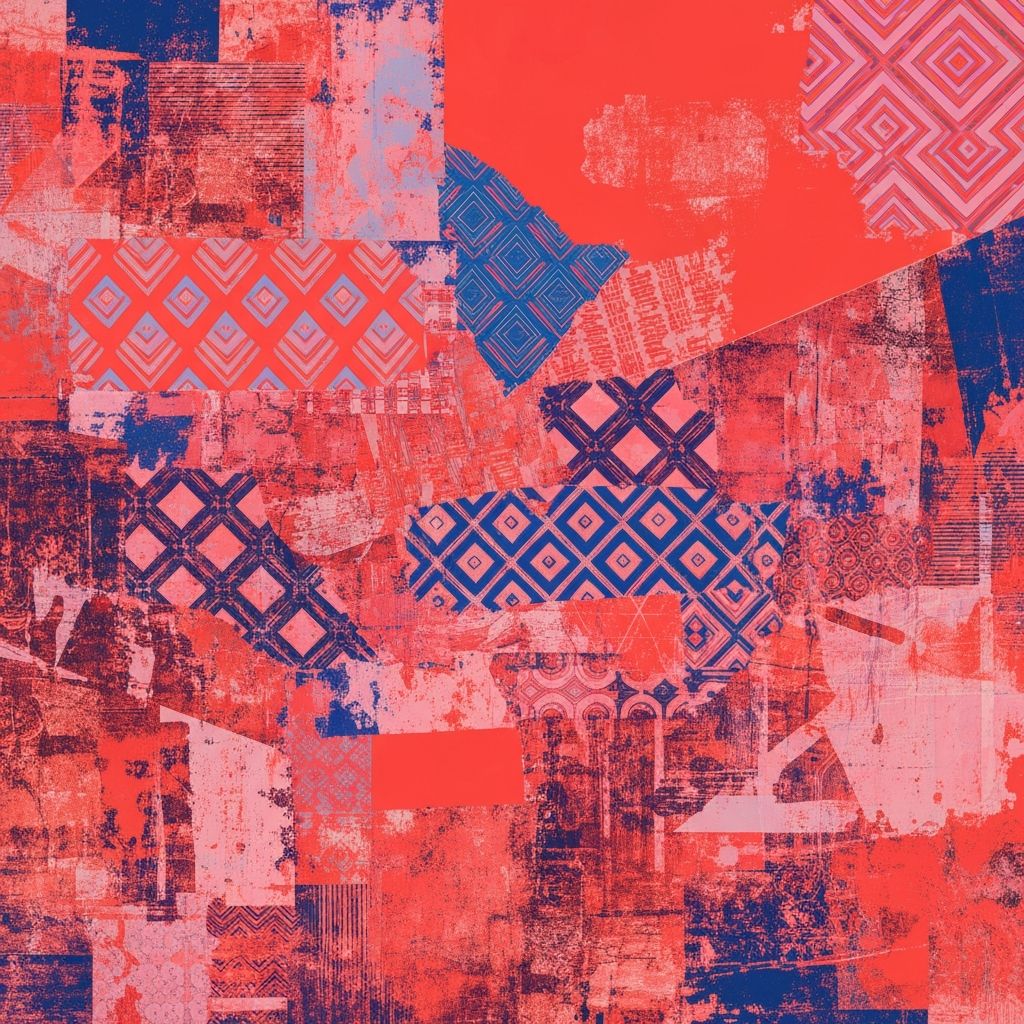
Embracing Abundance in Maximalist Web Design
Maximalist web design represents a bold departure from the minimalist tendencies that have dominated digital design for years. Where minimalism strips away, maximalism adds. Where minimalism whispers, maximalism declares. This design approach embraces visual complexity, layered elements, and expressive abundance to create memorable, impactful digital experiences.
The rise of maximalism reflects changing cultural attitudes and expanding technological capabilities. Designers and brands increasingly seek differentiation in crowded digital landscapes. Maximalism offers one path to standing out through sheer visual impact and creative expression.
Bold Digital Experiences Crafted by AAMAX.CO
AAMAX.CO creates distinctive digital experiences that match client brand personalities, whether minimalist or maximalist. Their website design services deliver visually impactful solutions tailored to each client's unique positioning. As a full-service digital marketing company, they understand how visual design choices affect brand perception and user engagement across all digital touchpoints.
Characteristics of Maximalist Design
Visual complexity defines maximalist design. Multiple elements, layers, and details create rich environments that reward exploration. Unlike minimalist designs that reveal themselves instantly, maximalist designs unfold over time as viewers discover details.
Bold color usage distinguishes maximalist approaches. Vibrant palettes, unexpected combinations, and saturated hues create energy and visual excitement. Color serves expressive purposes beyond mere functionality.
Pattern and texture add depth and visual interest. Backgrounds come alive with patterns, while textures create tactile qualities on digital surfaces. These elements add richness that flat minimalist designs lack.
Typography in maximalist design often becomes expressive and decorative. Custom letterforms, varied sizes, and creative treatments transform text into visual elements. Typography may clash intentionally, creating dynamic tension.
When Maximalism Works
Entertainment and creative industries often suit maximalist approaches. Audiences in these sectors expect visual excitement and creative expression. Maximalism signals creativity and boldness that aligns with industry values.
Fashion and luxury brands sometimes use maximalism to signal exclusivity and artistry. The visual richness suggests investment and attention that economy brands cannot match. This association supports premium positioning.
Portfolio and artistic websites benefit from maximalist expression. Creative professionals demonstrate capabilities through their own website design. Maximalism shows range and ambition that conservative designs cannot.
Campaign and event websites can use maximalism for limited periods. The intensive visual treatment creates urgency and excitement appropriate for time-bound purposes. This context permits approaches that might fatigue in everyday use.
Maximalism and User Experience
Despite its visual complexity, effective maximalist design must remain usable. Decorative abundance should not obscure functional elements or confuse user navigation. This balance represents the primary challenge of maximalist design.
Visual hierarchy becomes crucial in maximalist environments. Without clear hierarchy, complexity becomes chaos. Strategic emphasis ensures users can find what they need despite surrounding visual richness.
Performance considerations intensify with maximalist designs. Complex visuals, animations, and layers can impact load times and device performance. Technical optimization becomes essential to prevent user frustration.
Accessibility requires extra attention in maximalist contexts. Sufficient contrast, clear focus states, and alternative content for complex visuals ensure inclusivity despite decorative complexity.
Techniques for Effective Maximalism
Layering creates depth and visual interest. Overlapping elements, transparency effects, and z-axis composition add dimensionality. Careful layering maintains readability while increasing visual richness.
Collage approaches combine diverse visual elements into unified compositions. Photography, illustration, typography, and graphic elements interact in unexpected ways. This technique creates visual energy through juxtaposition.
Motion and animation bring maximalist designs to life. Moving elements create dynamism and guide attention. However, motion must be purposeful rather than arbitrary to avoid overwhelming users.
Intentional contrast, even within abundance, creates focal points and rhythm. Not every element needs equal emphasis; some visual rest allows impact elsewhere. This strategic variation prevents monotonous complexity.
Color Strategies for Maximalism
Clashing colors create tension and energy in maximalist palettes. Combining hues that traditional color theory might avoid produces unexpected vibrancy. This approach requires confidence and careful balance.
Monochromatic maximalism uses single color families with extensive variation. This constraint provides cohesion while allowing complexity within the chosen range. The result feels rich but not chaotic.
Gradient layers add color complexity through transition and overlap. Multiple gradients interacting create aurora-like effects that add depth and movement. These techniques suit digital media's capabilities.
Typography in Maximalist Design
Mixed typefaces create visual variety and personality. Unlike minimalist designs that limit font choices, maximalism can combine multiple families for expressive effect. However, this freedom requires strong compositional skills.
Decorative and display typefaces find natural homes in maximalist design. Elaborate letterforms that would overwhelm minimal contexts contribute to maximalist visual richness. Type becomes decoration as much as communication.
Scale variation creates drama through extreme size differences. Very large type alongside smaller text creates dynamic compositions. These contrasts establish hierarchy while adding visual interest.
Balancing Maximalism with Function
Clear content organization underlies decorative complexity. Information architecture and content strategy remain essential regardless of visual approach. Function cannot be sacrificed for form.
Interactive element clarity ensures users can accomplish tasks. Buttons, links, and form elements need sufficient visual distinction even within complex environments. Usability testing validates that function survives decoration.
Progressive disclosure can manage complexity by revealing detail over time. Initial views might be simpler, with richness emerging through exploration. This approach respects diverse user needs and contexts.
Implementing Maximalist Design
Development complexity increases with maximalist designs. Complex layouts, animations, and effects require skilled implementation. Collaboration between designers and developers becomes particularly important.
Performance budgets help constrain the performance impact of visual complexity. Setting limits on file sizes, load times, and animation complexity ensures usability despite visual richness.
Responsive adaptation of maximalist designs requires careful consideration. Complex desktop experiences may need significant simplification for mobile contexts. This adaptation should maintain brand impact while ensuring mobile usability.
Testing across devices and contexts validates that maximalist designs work practically. User testing reveals where complexity crosses into confusion. Iterative refinement addresses issues while preserving creative vision.
