
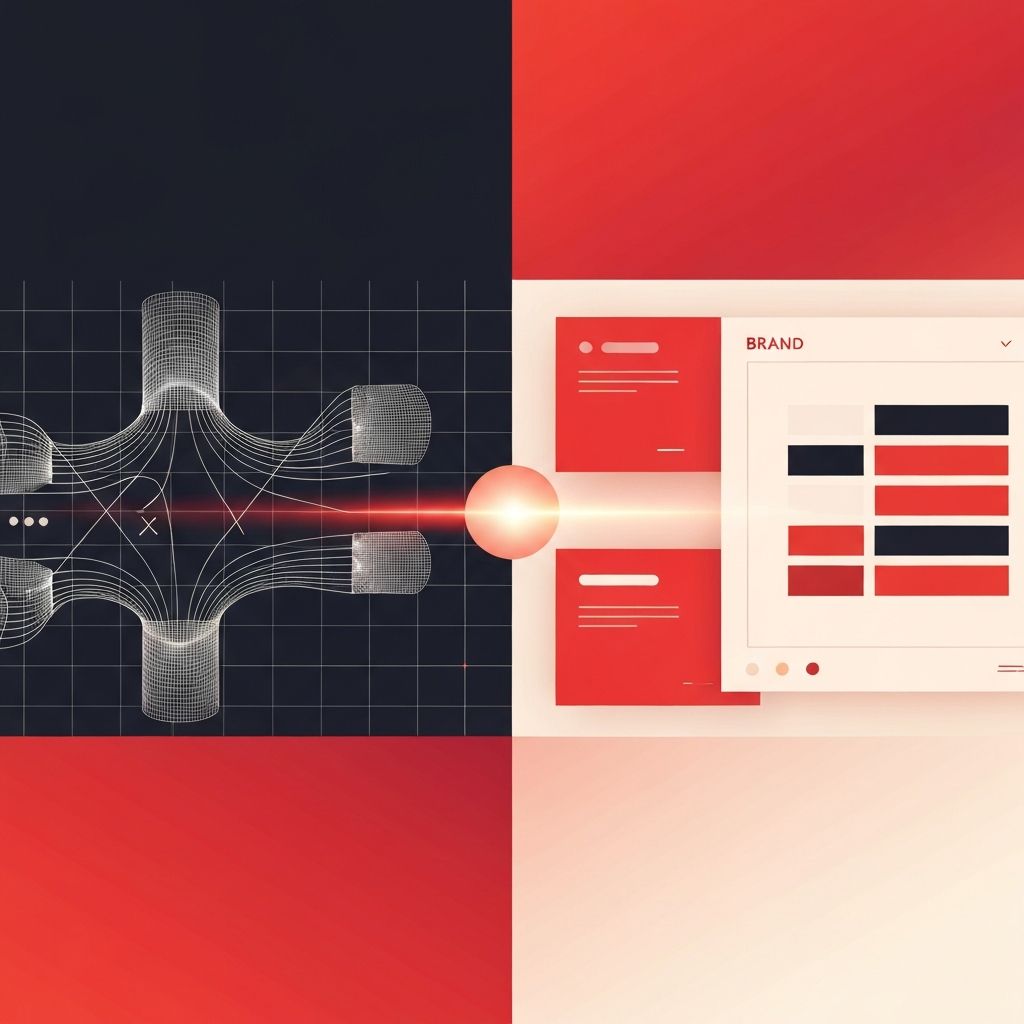
UX vs web design is a debate that often confuses business owners and even some marketing teams. The two disciplines overlap in many ways, but they have distinct goals, processes, and deliverables. Understanding the differences helps you hire the right talent, structure projects effectively, and set realistic expectations. In 2026, as digital experiences grow more sophisticated, knowing where UX ends and web design begins is essential for every brand that wants to build a high-performing website.
How AAMAX.CO Bridges UX and Web Design
Many businesses do not need to choose between UX and web design. They need both, working in harmony. AAMAX.CO is a global digital marketing company offering web development, digital marketing, and SEO services. Their team includes UX researchers, designers, developers, and strategists, all collaborating under one roof. From website development to ongoing optimization, they ensure that the user experience and the visual experience are aligned, producing websites that perform well and look beautiful.
Defining UX Design
User experience design focuses on how users feel and behave when interacting with a product. UX designers conduct research, build personas, map journeys, and design information architecture. They create wireframes, prototypes, and interaction flows. Their goal is to remove friction, support user goals, and create satisfying experiences. UX is rooted in psychology, behavior science, and data analysis as much as it is in design craft.
Defining Web Design
Web design focuses on the visual and structural presentation of a website. Web designers select typography, color palettes, imagery, layouts, and motion treatments. They translate brand identity into digital experiences and ensure consistency across pages and devices. While modern web designers consider usability, their primary expertise is in aesthetics, art direction, and visual storytelling.
Where They Overlap
UX and web design overlap in areas like layout, navigation, accessibility, and interaction patterns. Both disciplines care about how users perceive and use the site. In small teams, one person may handle both roles, blending research and visual design. In larger teams, the disciplines are distinct, with UX designers focusing on structure and behavior while web designers focus on visual expression. Even when separate, the two should collaborate closely throughout the project.
Key Differences in Process
UX projects typically begin with research, including stakeholder interviews, user surveys, competitor analysis, and analytics review. Outputs include personas, journey maps, information architecture, wireframes, and prototypes. Web design projects often begin with brand exploration, mood boards, and style tiles. Outputs include high-fidelity visual designs, design systems, and finalized assets ready for development. The processes are complementary but distinct.
Tools of the Trade
UX designers often use tools like Figma, Sketch, Miro, Maze, Hotjar, and Lookback for research and prototyping. Web designers use Figma, Sketch, Adobe Photoshop, Adobe Illustrator, and Webflow for visual design. Many tools are shared, especially Figma, which has become the central hub for both disciplines. Choosing tools is less important than understanding the underlying principles each discipline brings to the project.
Skills and Mindsets
UX designers tend to think analytically, asking why users behave a certain way and how to make tasks easier. They are comfortable with data, frameworks, and structured testing. Web designers tend to think creatively, exploring how to evoke emotion and reinforce brand values through visual choices. Successful designers in both disciplines combine empathy, curiosity, and craftsmanship, even if their day-to-day responsibilities differ.
When to Prioritize UX
If your project involves complex workflows, multi-step processes, e-commerce checkout, dashboards, or applications, prioritize UX. Poor UX in these scenarios leads to abandoned carts, support tickets, and frustrated users. Investing in research, journey mapping, and usability testing pays off through higher completion rates and customer satisfaction.
When to Prioritize Web Design
If your project is brand-focused, marketing-driven, or content-heavy, web design takes the lead. A portfolio, agency site, or campaign landing page must communicate identity and emotion quickly. While UX still matters, the visual experience often determines whether visitors trust the brand and stay long enough to engage.
The Best Approach in 2026
The most successful projects integrate UX and web design from day one. Research informs visual decisions, and visual exploration informs structure. Designers work with developers, content strategists, and marketers in cross-functional teams. This integrated approach prevents costly rework and produces websites that perform well across every metric, from engagement and conversion to retention and brand perception.
How to Hire Effectively
If you are hiring, look for candidates who understand both disciplines, even if they specialize in one. Ask about their process, examples of usability testing, and how they collaborate with developers. For larger teams, hire dedicated UX researchers, UX designers, and visual designers. For smaller teams, look for hybrid designers or partner with an agency that provides both skill sets in a coordinated engagement.
Conclusion
UX vs web design is not really a competition. The two disciplines serve different but complementary roles. Understanding their differences helps you build better teams, hire smarter, and create websites that succeed on every level. In 2026, the brands that excel are those that respect both disciplines and invest in their seamless collaboration.
