
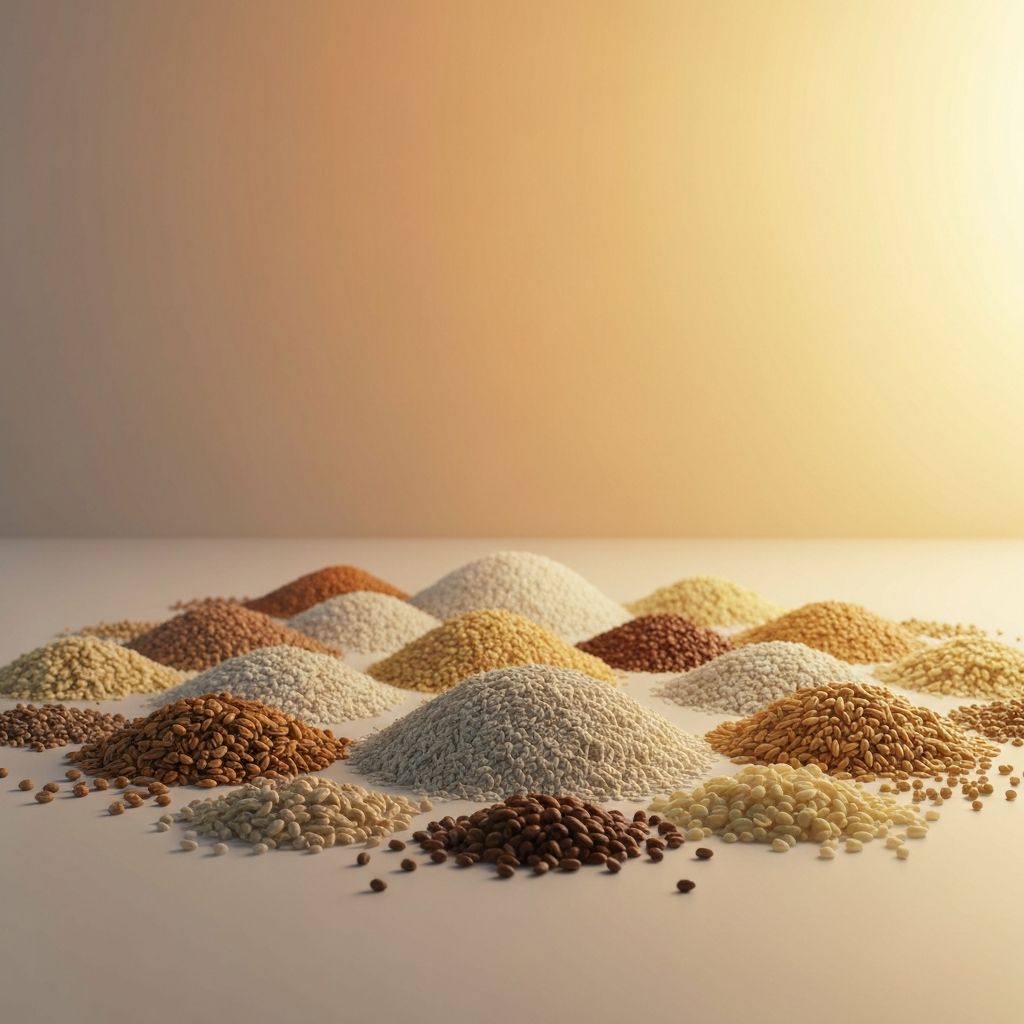
What Is Modified Food Starch
Modified food starch is one of the most common ingredients found on food labels, yet it remains one of the most misunderstood. It appears in an enormous range of processed foods, from soups and sauces to frozen meals, baked goods, yogurt, candy, and even baby food. Despite its ubiquity, many consumers, particularly those with celiac disease or gluten sensitivity, are unsure whether modified food starch is safe for them to consume.
At its most basic level, modified food starch is a starch that has been physically, enzymatically, or chemically treated to change its natural properties. These modifications are designed to improve the starchs functionality in food products, such as its thickening power, stability, texture, shelf life, or resistance to heat, acid, and freezing. The modification process does not create a new chemical substance but rather alters the existing starch molecules to enhance their performance.
The source of the starch is what matters most for those avoiding gluten. Modified food starch can be derived from a variety of plant sources, including corn, potato, tapioca, rice, and wheat. In the United States, modified food starch is most commonly made from corn, which is naturally gluten-free. However, when wheat is used as the source, the starch could contain trace amounts of gluten, which is problematic for individuals with celiac disease or non-celiac gluten sensitivity.
Is Modified Food Starch Gluten Free in the United States
In the United States, the answer to whether modified food starch is gluten-free depends on the source of the starch and is governed by specific labeling regulations enforced by the Food and Drug Administration (FDA). Under the Food Allergen Labeling and Consumer Protection Act (FALCPA) of 2004, wheat is one of the eight major allergens that must be declared on food labels.
This means that if modified food starch in a product sold in the United States is made from wheat, the word wheat must appear on the label. It will either be listed as modified wheat starch or modified food starch (wheat) in the ingredients list, or wheat will be listed in a Contains statement at the end of the ingredients. If the label simply says modified food starch without any mention of wheat, it is almost certainly derived from a gluten-free source such as corn, potato, or tapioca.
Therefore, for products manufactured and sold in the United States, modified food starch that does not specifically mention wheat on the label can be considered gluten-free. This is a reliable rule of thumb that the celiac disease community and major celiac organizations, including the Celiac Disease Foundation and Beyond Celiac, endorse and recommend.
Modified Food Starch in International Products
The situation becomes more complicated with products manufactured outside the United States, as different countries have different labeling regulations. In the European Union, for example, allergen labeling is also mandatory, and wheat-based modified starch must be declared. However, in some other countries, labeling laws may be less stringent, and modified food starch may not always have its source ingredient clearly identified.
If you are purchasing imported food products or traveling internationally, exercise extra caution with modified food starch. When the source is not specified and you cannot verify it through the manufacturer, it is safest to avoid the product. Contact the manufacturer directly if possible, as most companies are willing to provide detailed ingredient information to consumers with dietary restrictions.
Products that carry recognized gluten-free certification symbols, such as the Gluten-Free Certification Organization (GFCO) seal, have been independently tested and verified to contain less than 10 parts per million of gluten, which is stricter than the FDAs standard of less than 20 parts per million. Choosing certified products provides an additional layer of assurance for those with severe sensitivity.
Understanding Different Types of Starch Modifications
Understanding how starch is modified can help alleviate concerns about the safety of modified food starch. The modifications fall into three main categories: physical, enzymatic, and chemical. None of these processes introduce gluten into a naturally gluten-free starch, nor do they remove gluten from a wheat-based starch.
Physical modifications include processes like pre-gelatinization, where starch is cooked and then dried so that it dissolves in cold water rather than requiring heat. This is commonly used in instant puddings, gravies, and other products that need to thicken without cooking. The process simply changes the physical state of the starch without altering its chemical composition or introducing any new ingredients.
Enzymatic modification uses enzymes to break down starch molecules into smaller fragments, producing products like maltodextrin and corn syrup solids. These derivatives are used as thickeners, fillers, and sweeteners in a wide range of food products. When derived from corn or other gluten-free sources, these products are safe for individuals avoiding gluten.
Chemical modifications involve treating starch with approved food-grade chemicals to cross-link starch molecules, add chemical groups, or partially break down the starch chains. These treatments improve properties such as freeze-thaw stability, acid resistance, and texture. The chemicals used in the modification process are strictly regulated and are present in the final product only in trace amounts, if at all. Importantly, chemical modification does not introduce gluten into a gluten-free starch.
Other Starch-Related Ingredients to Watch For
While modified food starch is the most common starch-related ingredient on food labels, there are several other starch-derived ingredients that people avoiding gluten should understand. Maltodextrin, for example, is frequently derived from corn in the United States and is considered gluten-free by the FDA and celiac organizations, even when derived from wheat, as the manufacturing process removes the gluten protein to levels well below 20 parts per million.
Dextrin is another starch derivative that can be made from wheat, corn, potato, or tapioca. When derived from wheat, it may contain small amounts of gluten, and the source should be declared on the label under FALCPA regulations. If the source is not specified and you are uncertain, contact the manufacturer for clarification.
Caramel color, often made from corn but occasionally from wheat, is another ingredient that raises questions among those avoiding gluten. In the United States and most other countries, the manufacturing process for caramel color removes gluten to levels that are considered safe even for individuals with celiac disease. The Celiac Disease Foundation considers caramel color to be gluten-free regardless of its source.
Food starch, as opposed to modified food starch, follows the same rules. If it is derived from wheat, the source must be declared on the label. Cornstarch, potato starch, tapioca starch, and arrowroot starch are all naturally gluten-free and safe alternatives for cooking and baking.
Tips for Safe Shopping with Gluten Sensitivity
For individuals with celiac disease or gluten sensitivity, developing good label-reading habits is essential for safe shopping. Always read the entire ingredients list and the Contains statement on every product you purchase, even products you have bought before, as manufacturers sometimes change their formulations.
Look for products that carry a gluten-free certification seal from organizations like GFCO, the Canadian Celiac Association, or Coeliac UK. These certifications require regular testing and verification, providing a higher level of confidence than FDA labeling requirements alone.
When in doubt about any ingredient, including modified food starch, do not hesitate to contact the manufacturer directly. Most companies have customer service departments or websites where you can ask specific questions about ingredient sources and gluten content. Many manufacturers are responsive to these inquiries and can provide detailed information about their products.
Keep up to date with information from reputable celiac organizations and dietary resources. The science of gluten sensitivity and food labeling regulations continue to evolve, and staying informed helps you make the safest possible choices for your health. With proper knowledge and vigilance, navigating the world of modified food starch and other processed food ingredients becomes manageable and much less stressful.
