
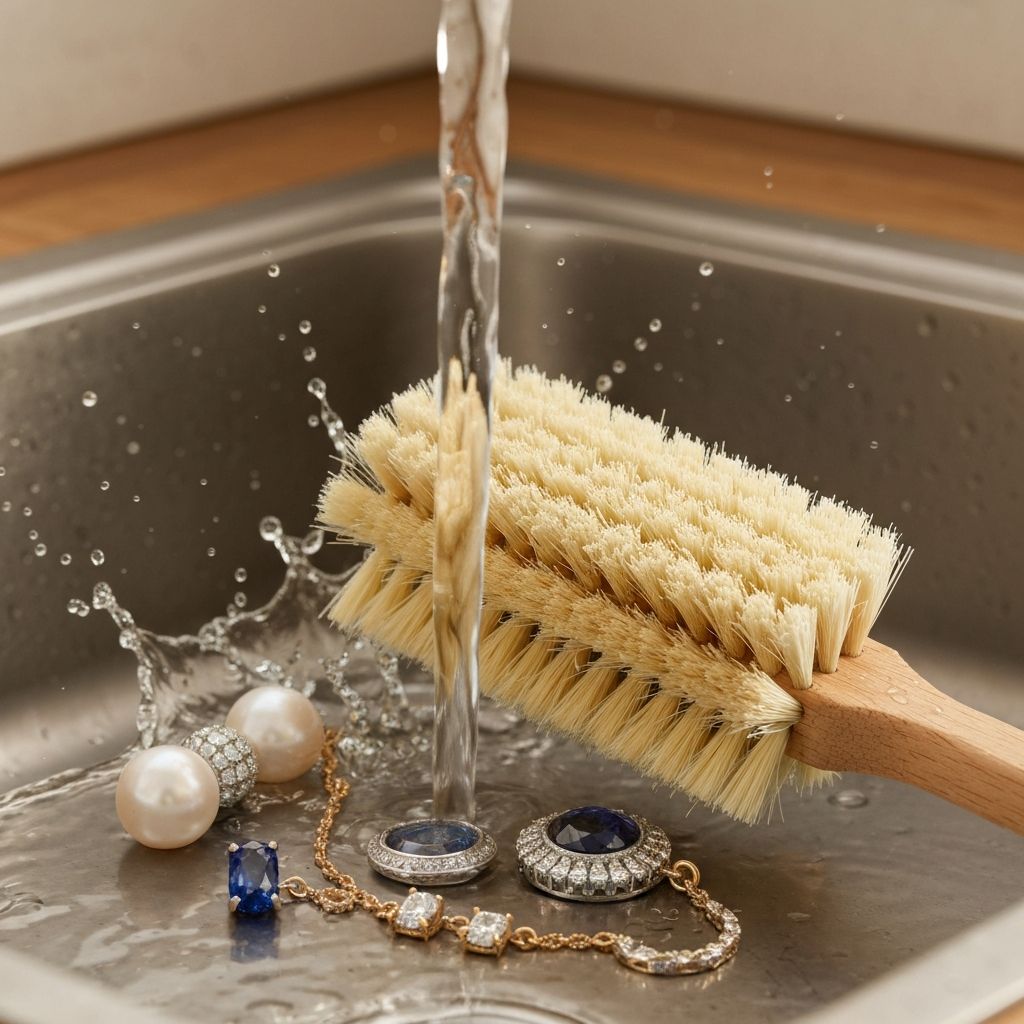
Why Regular Jewelry Cleaning Is Essential
Your jewelry is exposed to a surprising amount of contamination every single day. Body oils, lotions, perfumes, sweat, soap residue, and environmental pollutants all accumulate on your rings, necklaces, bracelets, and earrings, gradually dulling their shine and brilliance. Over time, this buildup can actually damage certain metals and gemstones if left unchecked, making regular cleaning not just an aesthetic choice but a preservation necessity.
Clean jewelry does not just look better. It also performs better. A diamond ring caked with lotion and soap residue loses a significant amount of its sparkle because the film prevents light from entering and reflecting through the stone properly. A quick cleaning can restore up to 90 percent of a diamond's original brilliance, making even older pieces look like they were purchased yesterday. Similarly, metals like silver that are prone to tarnishing can be kept looking fresh and bright with consistent care.
The good news is that most jewelry cleaning can be done safely at home with simple supplies you probably already own. In this guide, we will walk you through the proper cleaning methods for every common type of metal and gemstone, highlight which products and techniques to avoid, and share professional tips for maintaining your jewelry between deep cleanings.
Cleaning Gold Jewelry
Gold is one of the most durable and low-maintenance precious metals, but it still benefits from regular cleaning to maintain its warm luster. The cleaning method you use depends on the karat of your gold and whether the piece contains gemstones.
For plain gold jewelry without gemstones, the warm soapy water method works beautifully. Fill a small bowl with warm (not hot) water and add a few drops of mild dish soap. Place your gold jewelry in the solution and let it soak for 15 to 20 minutes. This soaking time allows the soap to break down oil and residue buildup. After soaking, use a very soft-bristled brush, such as a baby toothbrush, to gently scrub the jewelry, paying special attention to crevices, prong settings, and the backs of rings where lotion tends to accumulate.
Rinse the piece thoroughly under warm running water, making sure to close the drain or place a mesh strainer over it to prevent accidental drops. Pat dry with a soft, lint-free cloth and allow the piece to air dry completely before wearing or storing. For an extra shine boost, buff the dry jewelry gently with a microfiber or jewelry polishing cloth.
For gold-plated jewelry, extra care is needed because the gold layer is thin and can wear away with aggressive cleaning. Never use abrasive materials, baking soda, or harsh chemicals on gold-plated pieces. Instead, wipe them gently with a damp soft cloth and dry immediately. Avoid soaking gold-plated jewelry for extended periods, as water can seep beneath the plating and cause it to lift or peel.
Cleaning Silver Jewelry
Silver requires more frequent attention than gold because it naturally tarnishes when exposed to air and sulfur compounds. Tarnish appears as a dull, dark discoloration on the silver surface. While tarnish does not damage the silver itself, it significantly diminishes the appearance of your jewelry.
For light tarnish, the warm soapy water method described for gold works equally well. Soak the silver piece for 10 to 15 minutes, gently brush with a soft-bristled brush, rinse, and dry thoroughly. For moderate tarnish, a silver polishing cloth is incredibly effective. These cloths are impregnated with a gentle polishing compound that removes tarnish without scratching. Simply rub the cloth over the tarnished areas using back-and-forth motions (not circular) until the shine returns.
For heavy tarnish, try the aluminum foil and baking soda method. Line a bowl with aluminum foil, shiny side up. Place your silver jewelry on the foil and sprinkle one tablespoon of baking soda over the pieces. Pour boiling water over the jewelry until it is fully submerged. You will see the tarnish begin to transfer from the silver to the foil through an electrochemical reaction called ion exchange. Let the jewelry sit for two to five minutes, then remove it with tongs, rinse thoroughly, and dry with a soft cloth.
This method is safe for plain silver and sterling silver but should not be used on silver jewelry with gemstones, oxidized or antiqued finishes, or pieces with glued components, as the heat and chemical reaction can damage these elements.
Cleaning Diamond Jewelry
Diamonds may be the hardest natural material on earth, but they are also lipophilic, meaning they naturally attract and hold onto grease and oil. This is why your diamond ring can look dull after just a few days of wear. Fortunately, diamonds are easy to clean at home and respond beautifully to simple cleaning methods.
The most effective at-home method for cleaning diamonds is a soak in warm water with a few drops of dish soap. Let the diamond piece soak for 20 to 30 minutes, then gently brush around and underneath the stone with a soft-bristled brush. The area behind the diamond, called the pavilion, is where the most buildup occurs and has the greatest impact on brilliance. Make sure to brush this area thoroughly.
Rinse under warm running water and dry with a lint-free cloth. You will immediately notice a dramatic improvement in sparkle and fire. For an even deeper clean, you can use a commercial jewelry cleaning solution specifically formulated for diamonds, following the manufacturer's instructions.
Ammonia solution is another effective option for diamonds. Mix one part household ammonia with six parts warm water, soak the diamond piece for 10 minutes, brush gently, and rinse thoroughly. This method is safe for diamonds but should not be used on other gemstones like emeralds, opals, or pearls, which can be damaged by ammonia.
Cleaning Pearls and Delicate Gemstones
Pearls and soft gemstones like opals, emeralds, turquoise, and coral require extra-gentle handling because they are porous, softer, and more susceptible to chemical damage than diamonds and hard gemstones.
Pearls should never be soaked in water, exposed to ultrasonic cleaners, or cleaned with chemicals, ammonia, or abrasive materials. The safest method for cleaning pearls is to wipe each pearl individually with a soft, damp cloth after every wearing. This removes body oils and residue before they have a chance to penetrate the nacre (the pearly outer coating). For a deeper clean, dampen a cloth with a solution of lukewarm water and a tiny drop of mild soap, gently wipe each pearl, then go over them again with a plain damp cloth to remove soap residue, and lay flat to dry.
Store pearls separately from other jewelry in a soft pouch or lined box to prevent scratching. Pearls should be the last thing you put on when getting ready and the first thing you take off, as perfume, hairspray, and cosmetics can dull and damage the nacre over time.
Emeralds are often treated with oils or resins to fill natural inclusions and improve clarity. Harsh chemicals, ultrasonic cleaners, and steam cleaners can strip these treatments and cause the emerald to become more visibly included. Clean emeralds using only warm water, mild soap, and a very soft cloth. Opals contain water within their structure and can crack if exposed to extreme temperature changes or dry conditions. Clean opals with a soft, damp cloth only and store them in a humid environment.
Professional Cleaning and When to Seek It
While home cleaning is effective for routine maintenance, professional cleaning by a jeweler offers a deeper level of care that should be part of your jewelry maintenance routine. Most jewelers recommend professional cleaning and inspection every six to twelve months for pieces you wear daily, such as engagement rings and wedding bands.
Professional cleaning typically involves ultrasonic cleaning, which uses high-frequency sound waves to create microscopic bubbles that gently dislodge dirt and grime from hard-to-reach areas. This is followed by steam cleaning, which blasts away remaining residue with pressurized steam, leaving your jewelry sparkling like new. Many jewelry stores offer complimentary cleaning services, especially for pieces purchased from their store.
During a professional cleaning appointment, the jeweler will also inspect your jewelry for loose stones, worn prongs, weakened clasps, and other structural issues that could lead to loss or damage if not addressed. This preventive inspection is invaluable and can save you from the heartbreak of losing a precious stone.
Storage and Prevention Tips
Proper storage is just as important as regular cleaning when it comes to maintaining your jewelry. Store each piece separately in a soft pouch, lined compartment, or individual jewelry box to prevent pieces from scratching each other. This is especially important for softer gemstones and gold-plated pieces.
Remove your jewelry before swimming in chlorinated pools, using household cleaning products, applying lotions and perfumes, and engaging in physical activities that could cause damage. Put your jewelry on last when getting ready and take it off first when you get home. These simple habits significantly reduce the buildup that necessitates frequent deep cleaning.
Consider investing in anti-tarnish strips for your jewelry box if you have silver pieces. These strips absorb the sulfur compounds in the air that cause tarnishing, keeping your silver bright for longer between cleanings. With consistent care and proper storage, your jewelry collection will maintain its beauty and value for generations to come.
