
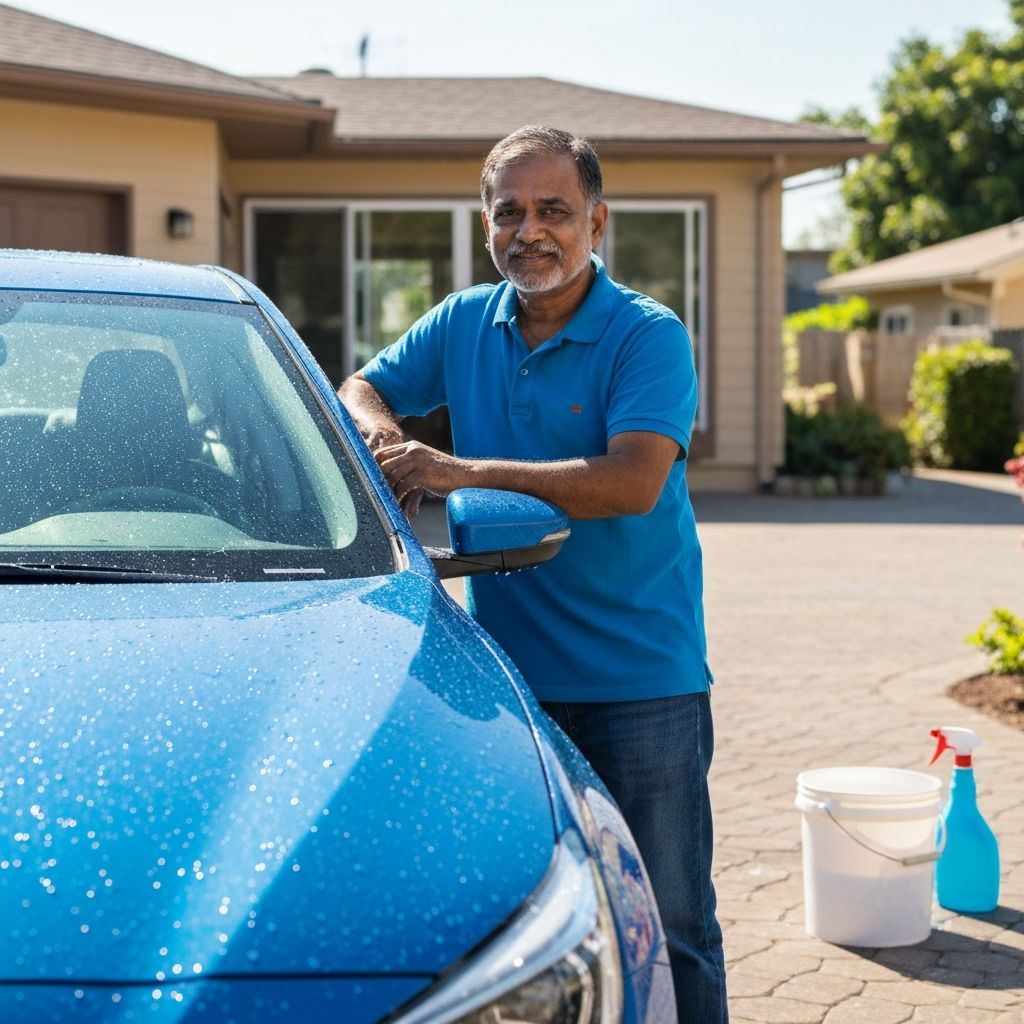
Why Proper Car Washing Matters More Than You Think
Washing your car is about much more than just aesthetics. While a clean car certainly looks better and makes a great impression, regular and proper washing is essential for protecting your vehicle's paint, preserving its resale value, and preventing long-term damage from environmental contaminants. Road salt, bird droppings, tree sap, industrial fallout, and UV radiation all take a toll on your car's exterior, and without regular cleaning, these elements can cause permanent etching, staining, and corrosion.
Many car owners unknowingly damage their paint every time they wash their vehicle by using improper techniques, wrong products, or dirty equipment. The swirl marks and fine scratches you see on dark-colored cars under direct sunlight are almost always the result of poor washing practices accumulated over time. By following the professional methods outlined in this guide, you can keep your car looking like it just rolled off the showroom floor while avoiding the common mistakes that lead to paint damage.
Essential Supplies for a Professional Car Wash
Having the right supplies on hand is the first step toward a safe, effective car wash. Professional detailers invest in quality products for a reason: they clean better, last longer, and are specifically formulated to be safe for automotive surfaces.
Car wash soap is the most critical product in your arsenal. Never use dish soap, laundry detergent, or household cleaners on your car. These products are designed to strip grease and contain harsh chemicals that will remove protective wax coatings and dry out your paint. Instead, invest in a pH-balanced automotive car wash soap that is designed to lift dirt safely without stripping protection.
You will need two large buckets (five-gallon buckets work best), each fitted with a grit guard insert at the bottom. Grit guards are perforated plastic screens that trap dirt particles at the bottom of the bucket, preventing them from being picked up by your wash mitt and dragged across your paint. This simple accessory is one of the most important tools for preventing wash-induced scratches.
A high-quality microfiber wash mitt is far superior to sponges or brushes for washing your car. Microfiber has thousands of tiny fibers that grab and lift dirt particles away from the paint surface rather than grinding them in. Look for a thick, plush mitt with deep pile for maximum dirt-trapping ability. You should also have several microfiber drying towels, a wheel brush with soft bristles, a detailing spray or quick detailer for lubrication, and a garden hose with an adjustable nozzle or, ideally, a pressure washer.
The Two-Bucket Wash Method Explained
The two-bucket method is the gold standard for hand-washing your car safely, and every professional detailer uses some variation of this technique. The concept is simple but incredibly effective at preventing scratches and swirl marks.
Fill your first bucket, the wash bucket, with water and the recommended amount of car wash soap. Fill your second bucket, the rinse bucket, with clean water only. Both buckets should have grit guards installed at the bottom.
The process works like this: dip your wash mitt into the soapy wash bucket, wash a section of the car, then rinse the mitt thoroughly in the clean rinse bucket before dipping it back into the soapy bucket for the next section. The grit guard in the rinse bucket traps the dirt particles that come off your mitt, keeping the rinse water cleaner and preventing contaminated water from being transferred back to your paint.
This simple extra step makes a dramatic difference in the safety of your wash. Without a rinse bucket, you are essentially picking up dirt from one section of the car and grinding it into the next section, creating micro-scratches with every pass of the mitt.
Step-by-Step Car Washing Process
Follow these steps in order for the safest, most thorough car wash possible. Taking your time and following each step carefully will yield professional-quality results.
Step 1: Pre-rinse the entire vehicle. Before touching the car with a mitt, thoroughly rinse the entire vehicle with a strong stream of water from your hose or pressure washer. This removes loose dirt, dust, and debris that would otherwise scratch the paint when you start washing. Pay special attention to the lower panels, wheel wells, and areas behind the side mirrors where dirt accumulates heavily. If using a pressure washer, maintain at least 12 inches of distance from the paint and never use a zero-degree nozzle tip.
Step 2: Wash the wheels first. Wheels are the dirtiest part of your car and should always be cleaned before the body panels. Use a dedicated wheel brush and a wheel-specific cleaner to remove brake dust, road grime, and tar. Spray the cleaner on the wheels, let it dwell for the recommended time, then agitate with the brush and rinse thoroughly. Using separate tools for the wheels prevents cross-contamination with brake dust, which is highly abrasive.
Step 3: Wash from top to bottom. Starting at the roof and working your way down is a fundamental rule of car washing. The upper panels of your car are generally the cleanest, while the lower panels collect the most dirt, road grime, and debris. By washing top-down, you ensure that dirty water flows away from clean areas and that you are using the cleanest wash water on the most visible surfaces.
Work in sections, washing one panel at a time with straight-line motions rather than circular scrubbing. Circular motions create swirl marks that are visible under direct light. Rinse your mitt in the rinse bucket after each panel, wring it out, then reload it with soapy water from the wash bucket before moving to the next section.
Step 4: Final rinse. After washing all panels, give the entire car a final rinse with clean water. If using a hose, remove the nozzle and let the water flow freely over the car in a sheeting action. This technique causes the water to run off in flat sheets rather than beading up, which leaves fewer water spots and makes drying easier.
Drying Your Car Without Scratching the Paint
Drying is where many people unknowingly damage their paint. Using an old bath towel, chamois, or air-drying in the sun are all recipes for scratches and water spots. Instead, use one of these professional-approved drying methods.
The best option is a large, plush microfiber drying towel with a waffle or twist-loop weave. These towels absorb an incredible amount of water and glide across the paint without scratching. Lay the towel flat on the surface and gently pull it toward you, letting the weight of the towel do the work. Do not press down hard or scrub, simply let the towel absorb the water as you drag it across the panel. Use a patting motion for curved areas and trim pieces.
A forced-air dryer or blower is another excellent option, especially for removing water from crevices, emblems, mirrors, and door handles where towels cannot reach. Many detailers use a combination of both methods: blowing water out of crevices first, then finishing with a microfiber towel for the flat panels.
Post-Wash Protection and Detailing
After your car is clean and dry, it is the perfect time to apply protection to keep it looking great between washes. A spray wax or sealant adds a layer of protection against UV rays, water spots, and contaminants while giving your paint a beautiful glossy shine.
Apply a spray wax by misting it onto one panel at a time and buffing it in with a clean microfiber towel. Work in straight lines, flip the towel to a dry side, and buff to a streak-free shine. Most spray waxes take only 15 to 20 minutes to apply to the entire car and provide two to four weeks of protection.
For longer-lasting protection, consider applying a paint sealant every three to six months or a ceramic coating for semi-permanent protection that can last one to five years. These products create a hydrophobic barrier that causes water to bead and roll off the surface, making future washes faster and easier.
Common Car Washing Mistakes to Avoid
Even with the best intentions, many car owners make mistakes that compromise their results. Avoid washing your car in direct sunlight, as the heat causes soap and water to dry too quickly, leaving spots and streaks. Wash in the shade or during cooler parts of the day for best results.
Never use a single bucket without a grit guard, as this is the number one cause of wash-induced scratches. Do not let soap dry on the surface before rinsing. Do not use the same towels for wheels and body panels. Never use automatic car washes with spinning brushes, as these are notorious for creating heavy swirl marks and scratches.
Finally, do not neglect the details. Clean your door jambs, fuel door, trunk jamb, and under the hood lip as part of your regular wash routine. These areas accumulate dirt and grime that can transfer to your clothes and detract from an otherwise clean appearance. A truly clean car is clean everywhere, not just on the visible exterior panels.
