
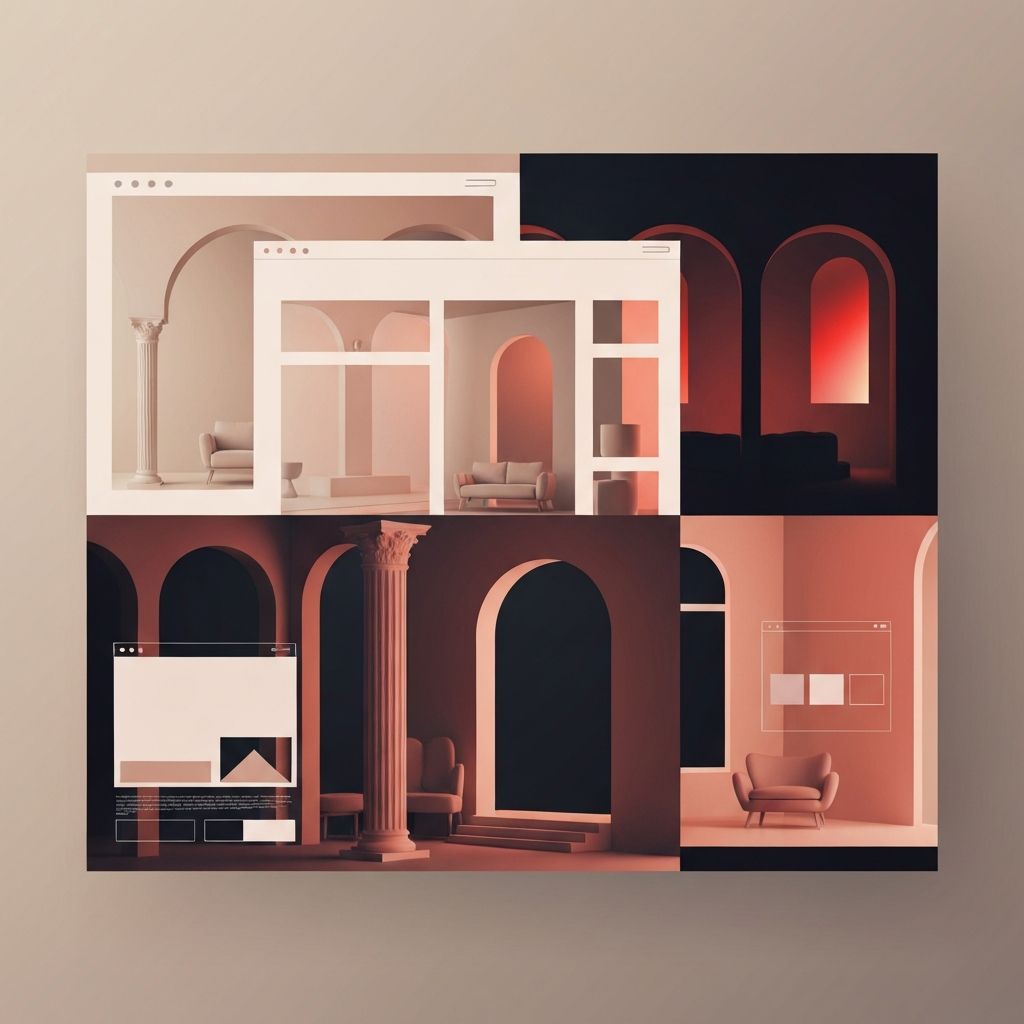
Defining Interior Web Design
Interior web design refers to the discipline of building websites for interior designers, decorators, and home staging professionals. Unlike generic business sites, these websites must communicate atmosphere, taste, and craftsmanship at first glance. Visitors often arrive with a specific aesthetic in mind, and within seconds they decide whether the studio's sensibility matches their vision. A well-executed interior web design experience captures that sensibility through visuals, words, and motion.
The discipline borrows heavily from print magazines, architectural monographs, and high-end retail. Editorial layouts, considered grids, and confident typography are common because they signal that the studio understands composition, not only in physical spaces but also on screen.
Working With AAMAX.CO on Interior Web Projects
Studios that want to translate their portfolio into a polished digital experience often partner with specialists. AAMAX.CO works with interior brands to plan information architecture, build responsive layouts, and integrate content management systems that designers can update without touching code. They focus on clean structure, fast performance, and search visibility so that the studio's beautiful work is actually discoverable.
Atmosphere as a Design Brief
Before opening a design tool, an interior web design project should start with an atmosphere brief. Words like serene, warm, refined, playful, or industrial guide every visual decision. From there, the team selects a palette that reflects the studio's tone, perhaps deep neutrals with a single accent color, or a soft monochrome with a hint of brass. These choices should feel intentional rather than decorative.
Imagery direction follows the same logic. A studio known for sun-drenched coastal homes will favor airy, high-key photography, while a firm that designs moody hospitality spaces will lean into shadow and contrast. Consistency between the website and real-world projects builds trust.
Layout Patterns That Work
Several layout patterns recur in successful interior web design. Full-bleed hero images with minimal overlay text invite users into a space immediately. Asymmetrical grids on portfolio pages echo gallery walls and prevent visual monotony. Split-screen layouts pair a single image with a short paragraph, mimicking the rhythm of a coffee table book.
Long-form scrolling case studies allow projects to breathe. Instead of cramming a project into a single screen, designers can guide visitors through the story of the space, from initial brief to final reveal. Subtle scroll-triggered animations can enhance this storytelling without becoming distracting.
Typography and Voice
Typography is one of the most underrated tools in interior web design. A confident display serif can signal heritage and craftsmanship, while a humanist sans-serif feels approachable and modern. Mixing two typefaces with clear hierarchy is usually enough; more than that risks visual clutter.
Voice is equally important. Copy should sound like the designer, not like a marketing brochure. Short, considered sentences. Specific details about materials, textures, and inspirations. Avoiding clichés like luxurious or one-of-a-kind in favor of concrete language helps the studio stand out in a crowded market.
Mobile First and Responsive Galleries
Most discovery happens on phones. A common mistake in interior web design is to build a stunning desktop experience that collapses awkwardly on mobile. Responsive galleries must adapt cropping intelligently, prioritize hero images, and avoid small thumbnails that hide the detail of a project.
Pinch-to-zoom, swipe galleries, and full-screen image viewers help mobile users appreciate the work. Performance optimizations, including modern image formats and code splitting, keep the experience smooth even on slower connections.
Content That Converts
Beyond the portfolio, an interior web design site needs content that supports the buying decision. A clear services page outlines packages, from full-service design to e-design or consultation. A studio page introduces the people behind the work, with photography that matches the rest of the brand. A press section, with logos and links to features, builds credibility quickly.
Frequently asked questions can address common concerns about timelines, budgets, and process. Answering these openly often increases inquiries because it removes friction and signals confidence.
SEO Without Sacrificing Style
Search engines reward clear structure, fast performance, and useful content. Interior web design projects can satisfy these requirements without compromising aesthetics. Semantic headings, descriptive alt text, and structured data are invisible to visitors but powerful for search visibility. Location pages targeting cities or neighborhoods help local clients find the studio when searching for designers nearby.
A journal or blog, updated consistently, signals to search engines that the site is active and authoritative. Topics can include project deep dives, material guides, sourcing notes, and reflections on design trends.
Building a Website That Works as Hard as the Studio
Interior web design is ultimately about alignment. The website should feel like the studio, attract the right clients, and make it easy for them to take the next step. With a thoughtful approach to atmosphere, layout, typography, and search, an interior designer's website can become a quiet but powerful engine for growth.
