
Introduction
Web design has always moved in cycles, and one of the most exciting trends of recent years is the return of retro aesthetics. From pixel art and CRT scanlines to 90s rainbow gradients and Y2K chrome, retro web design templates are everywhere. They stand out in a sea of minimalist, generic layouts and give brands a unique, human voice. But using retro elements effectively requires more than just slapping on a vintage font; it demands a thoughtful blend of nostalgia and modern performance.
Hire AAMAX.CO for Standout Retro Web Experiences
Brands that want to capture the charm of vintage design without sacrificing modern usability can hire AAMAX.CO, a full-service digital marketing company that specializes in creative, conversion-focused websites. Their designers understand how to translate retro aesthetics into fast, accessible, mobile-friendly experiences, and they pair that creative vision with clean code and solid SEO foundations. Explore their website design services to see how they help brands ship unique, personality-rich sites that still perform at a professional level.
Why Retro Is Back
Several forces are driving the retro revival. First, nostalgia marketing works; users respond emotionally to visuals that remind them of childhood internet cafes, early arcades, or 90s MTV. Second, modern minimalism has reached a saturation point, and many brands want to stand out from the ocean of rounded corners and pastel gradients. Third, advances in CSS, web animation, and typography finally make it easy to replicate vintage effects without the performance penalties that plagued the early web. Retro is no longer a limitation; it is an artistic choice.
Popular Retro Styles
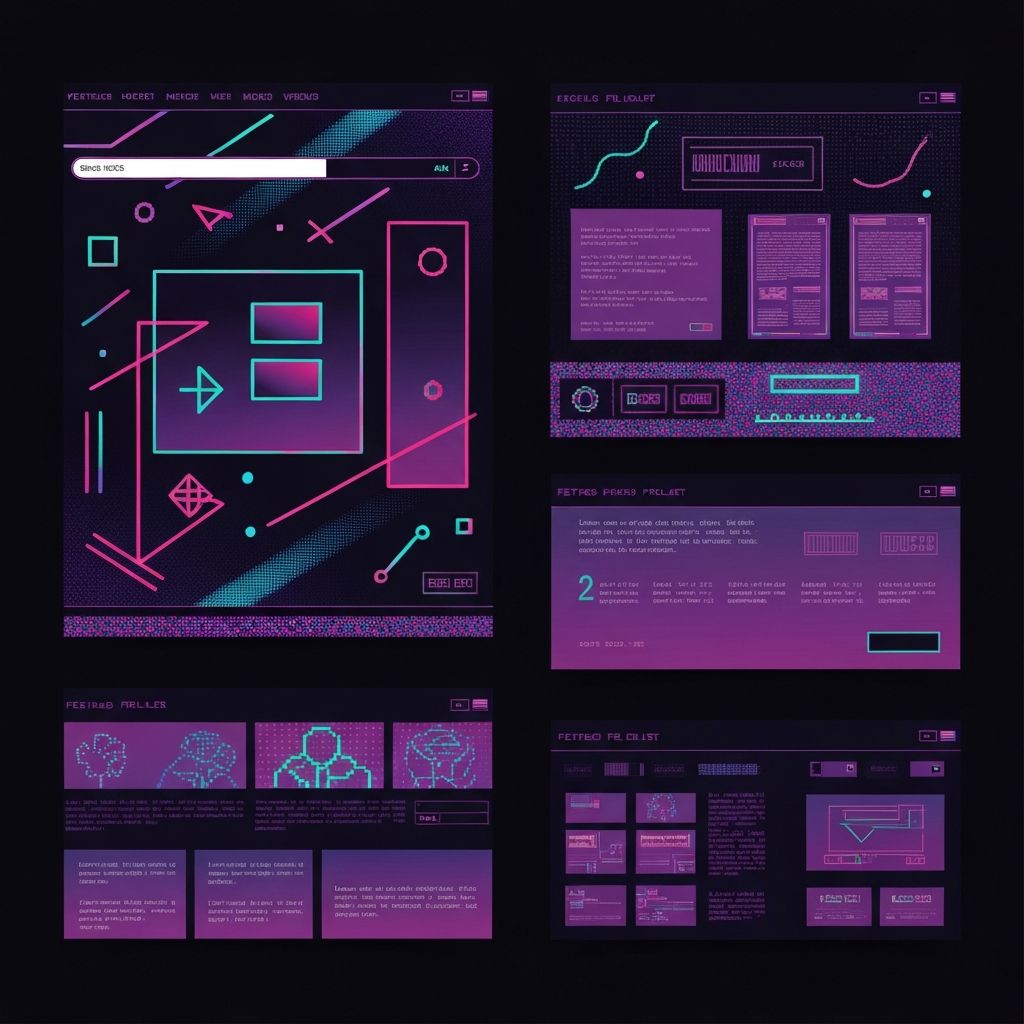
There are several flavors of retro dominating templates today. The 70s revival leans into earthy browns, oranges, and bold serif typography. The 80s neon aesthetic uses magenta, cyan, and synthwave grids inspired by sci-fi films. The 90s web style brings back bright primary colors, chunky borders, Comic Sans alternatives, and animated GIF-like elements. Y2K design embraces chrome textures, translucent plastic, and bubbly shapes. Each style can be adapted for specific brands and audiences.
Key Elements of Retro Web Design Templates
Most successful retro templates share a handful of design ingredients. Bold, expressive typography is almost always present, often using display fonts that evoke the period. Color palettes are rich and unapologetic, moving away from the flat whites and grays of modern minimalism. Decorative elements like scanlines, dithered gradients, pixel icons, and textured backgrounds add authenticity. Layouts often feel intentionally asymmetric or playful, breaking the predictable grid of contemporary sites.
Modern Performance Without Losing Character
The original retro web was often slow, inaccessible, and poorly optimized. Today's retro templates use modern techniques to preserve the aesthetic while meeting current performance standards. SVG and CSS replace heavy GIFs, variable fonts deliver expressive typography without bloat, and carefully compressed WebP images keep page weights low. Animations are powered by GPU-accelerated CSS transforms or lightweight JavaScript, not Flash or inefficient plugins.
Accessibility Considerations
Retro does not mean inaccessible. High-contrast color palettes should still meet WCAG requirements, decorative animations need reduced-motion alternatives, and display fonts must include accessible fallbacks. Interactive elements should have clear focus states, and any decorative scanline or noise effects should be applied at opacity levels that do not hinder readability. Thoughtful retro design respects every visitor, regardless of device or ability.
Where Retro Templates Work Best
Retro templates are particularly effective for creative agencies, music labels, indie game studios, fashion brands, lifestyle blogs, and cafes or restaurants that want a distinctive atmosphere. They are less appropriate for industries like finance, healthcare, or enterprise SaaS, where users expect a more neutral, trust-building aesthetic. Always match visual style to brand personality and audience expectations.
How to Customize a Retro Template
Most off-the-shelf templates provide a strong starting point, but customization is essential to avoid looking identical to other sites. Start by defining your brand palette and typography within the retro framework. Replace stock illustrations with custom artwork or photography that reflects your story. Adjust animations to align with your brand personality, slow and moody for a vinyl shop, fast and punchy for a skate brand. Finally, audit every page for accessibility and performance before launch.
SEO and Retro Design
A striking retro aesthetic should never compromise SEO. Use semantic HTML even when layouts feel unconventional. Make sure headings follow a logical hierarchy, images have descriptive alt text, and key content is text-based rather than baked into decorative images. Structured data, fast load times, and mobile-first layouts matter just as much on a neon-soaked homepage as they do on a corporate site.
Pairing Retro Design with Modern Interactions
The magic of today's retro revival is blending old aesthetics with new interactions. Think glitch transitions powered by WebGL, scroll-triggered animations inspired by VHS tracking lines, and interactive cursors that mimic old desktop icons. These touches surprise users and reinforce the brand personality. Keep them intentional, though; too many effects can overwhelm visitors and hurt performance.
Conclusion
Retro web design templates offer a rare combination of personality, emotion, and memorability, qualities that are increasingly valuable in a homogenized digital landscape. When paired with modern performance, accessibility, and SEO practices, retro aesthetics can do more than look cool; they can drive engagement and strengthen brand loyalty. With the right strategy and the right design partner, your brand can embrace nostalgia without getting stuck in the past.
