
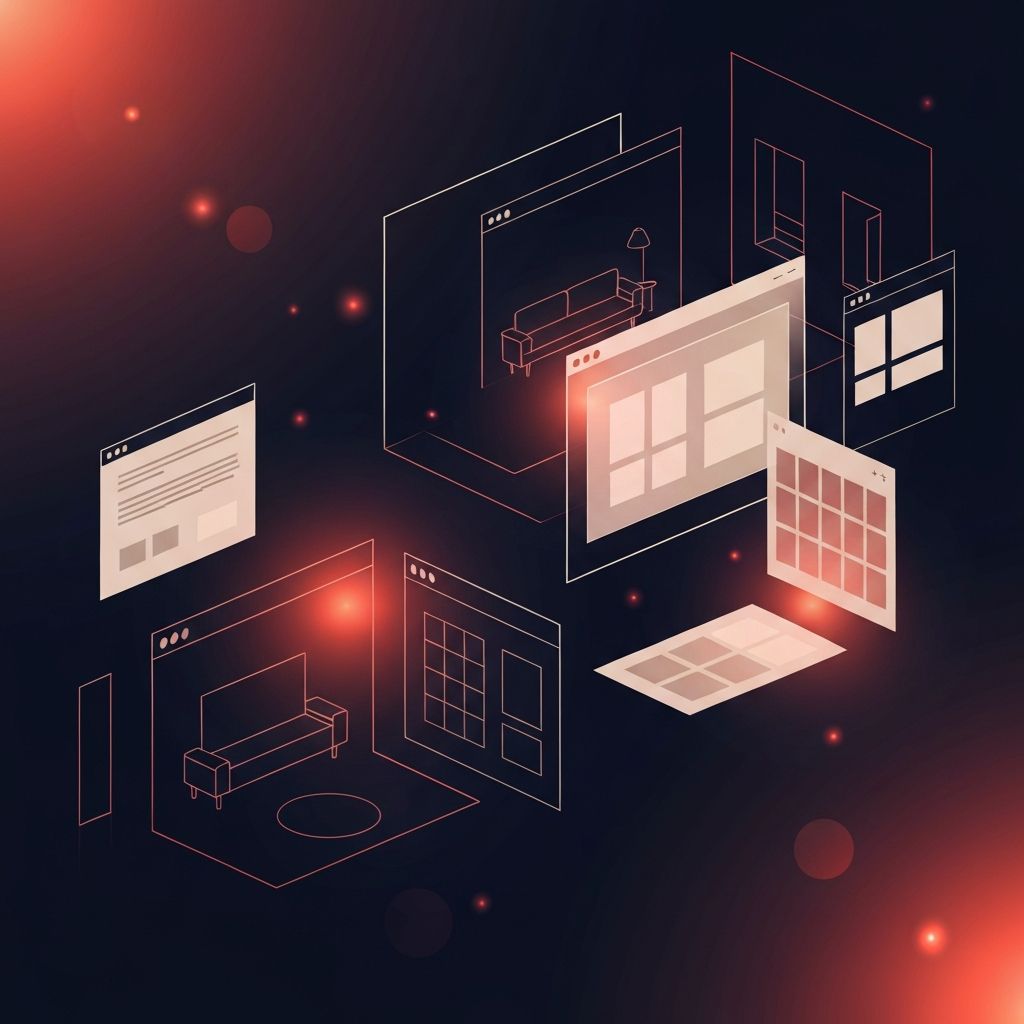
Why Interior Design Studios Need a Distinct Web Presence
Interior design is a deeply visual and emotional discipline. When a potential client lands on a designer's website, they are not just browsing services, they are imagining a future home, office, or boutique. Interior design web design must therefore translate the texture, light, and atmosphere of a portfolio into a digital experience that feels equally curated. A generic template rarely conveys the craft of an interior studio, which is why purpose-built websites continue to outperform off-the-shelf options for designers who want to win premium projects.
Beyond aesthetics, an interior design website acts as a 24/7 sales associate. It qualifies leads, communicates the studio's signature style, and sets pricing expectations long before a discovery call. The right structure can shorten sales cycles, increase project value, and position the firm as an authority in residential or commercial spaces.
How AAMAX.CO Helps Interior Design Brands Stand Out
For studios looking to elevate their online presence, working with a specialist agency makes a noticeable difference. AAMAX.CO is a full service digital marketing company that offers web development, digital marketing, and SEO services worldwide, and they have experience helping interior design firms craft websites that mirror the sophistication of their portfolios. Their team focuses on clean layouts, performant galleries, and search-friendly architecture so that interior designers can attract qualified clients without compromising on visual storytelling.
Core Principles of Effective Interior Design Web Design
Great interior design websites share a handful of principles. First, generous white space mimics the breathing room of a well-designed room. Second, typography behaves like a moodboard, pairing a refined serif for headlines with a quiet sans-serif for body copy. Third, imagery is treated as the hero, with full-bleed photography and considered cropping rather than cluttered grids.
Navigation should feel intuitive, often with a slim top bar and clear labels such as Projects, Services, Studio, Journal, and Contact. Micro-interactions, like a subtle hover state on a project tile, add polish without distracting from the work. The goal is to make visitors feel like they have walked into a serene, curated space.
Structuring the Project Portfolio
The portfolio is the heart of any interior design website. Each project should have its own dedicated case study page rather than being squeezed into a thumbnail grid. A strong case study includes a hero image, a brief narrative about the client and brief, before-and-after visuals where appropriate, material and finish callouts, and a gallery that lets users explore the space at their own pace.
Filtering options by typology, residential, hospitality, retail, or workplace, help potential clients self-identify quickly. Tagging projects by style, such as minimalist, maximalist, biophilic, or transitional, also supports search engine visibility and internal linking between related work.
Imagery, Performance, and Accessibility
High-resolution photography is essential, but it cannot come at the cost of speed. Modern interior design websites use next-generation image formats, responsive image sets, and lazy loading so that pages remain fast on mobile networks. Performance is not just a technical metric, it directly affects bounce rate and search rankings.
Accessibility is equally important. Alt text on imagery describes spaces in a way that benefits screen reader users and search engines. Sufficient color contrast in text, captions, and buttons ensures that the site is usable by clients with different visual needs, including older homeowners commissioning premium renovations.
Lead Capture Without Feeling Pushy
Interior designers often hesitate to add aggressive calls to action because it can feel at odds with the calm tone of their brand. The solution is to design lead capture as a natural next step. A simple Start a Project page with a thoughtful intake form, including questions about scope, location, timeline, and budget range, helps qualify leads while reinforcing the studio's professionalism.
Newsletter sign-ups, downloadable lookbooks, and gated trend reports can also nurture visitors who are not yet ready to commission a project. Each touchpoint should feel like an invitation rather than a transaction.
SEO and Content for Interior Designers
Search engine optimization is often underused in the interior design industry. Studios that publish journal articles about projects, materials, sustainability, and design trends build authority and capture long-tail searches. Location-specific pages, for example a page dedicated to interior design services in a particular city, can dramatically increase local visibility.
Structured data for articles, services, and frequently asked questions helps search engines understand the site and surface rich results. Pairing this with a consistent posting schedule turns the website into a long-term marketing asset rather than a static brochure.
Choosing the Right Partner
Interior design web design sits at the intersection of branding, photography, content, and technology. The best results come from a collaborative process where the designer's voice is preserved while the digital experience is engineered for speed, search, and conversion. By investing in a tailored website and ongoing optimization, interior design studios can transform their online presence into one of their most valuable business development tools.
