
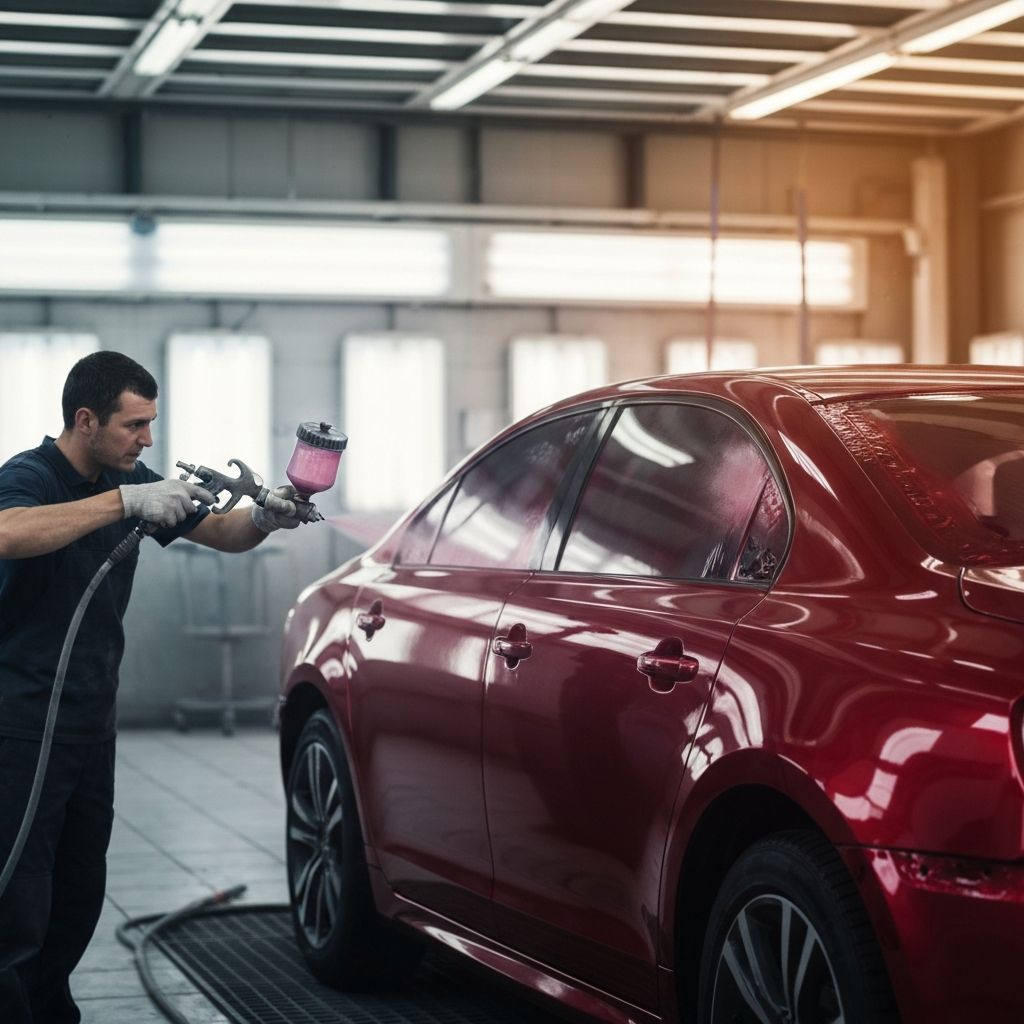
Understanding Car Painting Costs
Painting a car is one of the most transformative upgrades you can make to your vehicle. Whether you are looking to restore a classic ride, fix weather damage, or simply change the color of your daily driver, understanding the cost involved is essential for making an informed decision. Car painting prices can range from a few hundred dollars for a basic job to several thousand for a premium, show-quality finish.
The cost of painting a car depends on multiple factors, including the type of paint, the size of the vehicle, the quality of preparation work, and the reputation of the body shop. In this guide, we will explore every aspect of car painting costs so you can plan your budget accordingly.
Basic Car Paint Jobs: Budget-Friendly Options
A basic car paint job is the most affordable option and typically costs between $300 and $1,000. These jobs usually involve minimal coats of paint, limited surface preparation, and may not include detailed work on door jambs, under the hood, or inside the trunk. National chains like Maaco and Earl Scheib often offer promotional pricing in this range.
While a basic paint job can freshen up your car's appearance, it is important to understand the trade-offs. The paint may not last as long, and imperfections in the surface may be more visible. If your car has existing rust, dents, or scratches, a basic paint job will not address these issues, and they may show through the new paint over time.
For a basic paint job, shops typically use synthetic enamel paint, which is less expensive than urethane or other premium paint types. The number of coats applied is usually limited to two or three, and the clear coat may be thinner than what you would get with a more expensive service.
Mid-Range Car Paint Jobs
A mid-range car paint job costs between $1,000 and $3,500 and offers a significant step up in quality from a basic job. At this price point, you can expect better surface preparation, higher-quality paint, more coats, and attention to areas like door jambs and edges that are often skipped in budget jobs.
Mid-range paint jobs typically include sanding and smoothing the existing surface, applying a primer coat, multiple base coats, and a durable clear coat. The paint used is usually a higher-grade urethane that provides better color retention and resistance to UV damage, fading, and chipping.
This level of service is ideal for car owners who want a noticeable improvement in appearance without the expense of a premium or custom paint job. Many reputable independent body shops offer mid-range services that deliver excellent results for the price.
Premium and Show-Quality Paint Jobs
For those who want the best possible finish, premium and show-quality paint jobs range from $3,500 to $20,000 or more. These jobs involve extensive preparation, including stripping the old paint down to bare metal, repairing any body imperfections, applying multiple coats of high-quality primer, base coat, and clear coat, and finishing with wet sanding and polishing for a mirror-like finish.
Show-quality paint jobs are typically reserved for classic cars, luxury vehicles, or custom builds where appearance is paramount. The process can take several weeks, and the level of craftsmanship involved is significantly higher than standard or mid-range jobs.
Custom colors, metallic finishes, pearl coats, and specialty paints like color-shifting or matte finishes can add significantly to the cost. These types of paint require specialized equipment and expertise, and not all body shops are equipped to handle them.
Factors That Affect Car Painting Costs
Several factors influence the final cost of painting a car. The size of the vehicle is one of the most significant factors, as larger vehicles like trucks, SUVs, and vans require more paint and more labor time. A compact car will always be less expensive to paint than a full-size pickup truck.
The condition of the existing paint and body also plays a major role. If the car has rust, dents, scratches, or peeling paint, additional preparation work will be needed before the new paint can be applied. Rust repair, dent removal, and body filler work can add hundreds or even thousands of dollars to the total cost.
The color you choose can also affect the price. Standard colors like white, black, and silver are generally less expensive because they are more common and easier to match. Custom or specialty colors may require special ordering and additional coats, increasing the overall cost.
Geographic location matters as well. Body shops in urban areas with higher costs of living typically charge more than those in rural areas. Labor rates can vary significantly from one region to another, so it is worth getting quotes from multiple shops in your area.
DIY Car Painting: Is It Worth It?
For budget-conscious car owners, painting a car yourself is an option that can save a significant amount of money. The materials for a DIY paint job, including sandpaper, primer, paint, clear coat, and masking supplies, can cost between $200 and $600 depending on the quality of products you choose.
However, DIY car painting requires a considerable amount of time, skill, and preparation. You will need a clean, dust-free environment to work in, as well as proper ventilation and safety equipment. Without experience, it is easy to end up with runs, drips, orange peel texture, or uneven coverage that can make the car look worse than before.
If you decide to go the DIY route, invest in quality materials and take your time with surface preparation. Proper sanding, cleaning, and priming are essential for a good result. There are many online tutorials and resources available to help guide you through the process.
How Long Does a Car Paint Job Last?
The longevity of a car paint job depends on the quality of the materials and workmanship, as well as how well you maintain the finish. A budget paint job may begin to show wear within one to three years, while a mid-range job can last five to ten years with proper care. Premium paint jobs, especially those with high-quality clear coats, can last the lifetime of the vehicle if maintained properly.
To maximize the life of your paint job, wash your car regularly, apply wax or sealant every few months, and park in shaded areas or use a car cover to protect against UV damage. Avoid automatic car washes with abrasive brushes, and address any chips or scratches promptly to prevent rust from forming.
Getting Quotes and Choosing a Body Shop
When shopping for a car paint job, it is important to get quotes from at least three to five shops. Ask each shop what is included in their price, including surface preparation, the type of paint used, the number of coats, and whether areas like door jambs and under the hood are included.
Look at examples of previous work, read online reviews, and ask for references. A reputable body shop will be happy to show you their portfolio and answer any questions you have about the process. Be wary of prices that seem too good to be true, as they often indicate shortcuts in preparation or the use of low-quality materials.
In conclusion, the cost of painting a car can vary dramatically based on your expectations and budget. By understanding the different levels of service available and the factors that influence pricing, you can make an informed decision that gives you the best value for your investment.
