
Average Cost of Towing a Vehicle
Getting your vehicle towed is never a planned expense, but knowing the average costs can help you prepare financially and avoid being overcharged. The cost of towing a vehicle typically ranges from $75 to $125 for a short-distance tow of five miles or less. For longer distances, the cost increases significantly, with most towing companies charging $2 to $7 per additional mile beyond the initial hookup fee.
On average, a standard tow of 10 to 20 miles costs between $100 and $250. A long-distance tow of 50 to 100 miles can cost $200 to $600 or more. These are general estimates, and actual prices vary based on your location, the time of day, the type of vehicle, and the towing company you use.
Factors That Affect Towing Costs
Several factors influence how much you will pay for a tow. Distance is the most significant factor. Most towing companies charge a base fee, often called a hookup fee, plus a per-mile rate. The hookup fee typically ranges from $35 to $100, and the per-mile rate ranges from $2 to $7. Some companies charge a flat rate for short-distance tows within a specific radius.
The type of vehicle being towed affects the price. Standard passenger cars and small SUVs are the least expensive to tow, as they can be handled by a standard flatbed or wheel-lift tow truck. Larger vehicles such as trucks, full-size SUVs, and vans may require a larger tow truck and cost more. Towing a motorcycle is generally less expensive, typically $75 to $150 for a short-distance tow.
The time of day and day of the week also matter. Towing services during regular business hours on weekdays are typically less expensive than after-hours, weekend, or holiday towing. Many companies charge a premium of 25 to 50 percent for nighttime and weekend calls. Emergency or roadside towing during extreme weather conditions may also carry surcharges.
Your location plays a role in pricing. Towing costs tend to be higher in urban areas with higher costs of living and in remote rural areas where the tow truck must travel a long distance to reach you. Metropolitan areas also tend to have more competition among towing companies, which can sometimes drive prices down.
Types of Tow Trucks and Their Costs
The type of tow truck used can also affect the cost. A wheel-lift tow truck, which lifts one end of the vehicle off the ground using a metal yoke, is the most common and least expensive option. Wheel-lift tows typically start at $75 to $100 for a short distance.
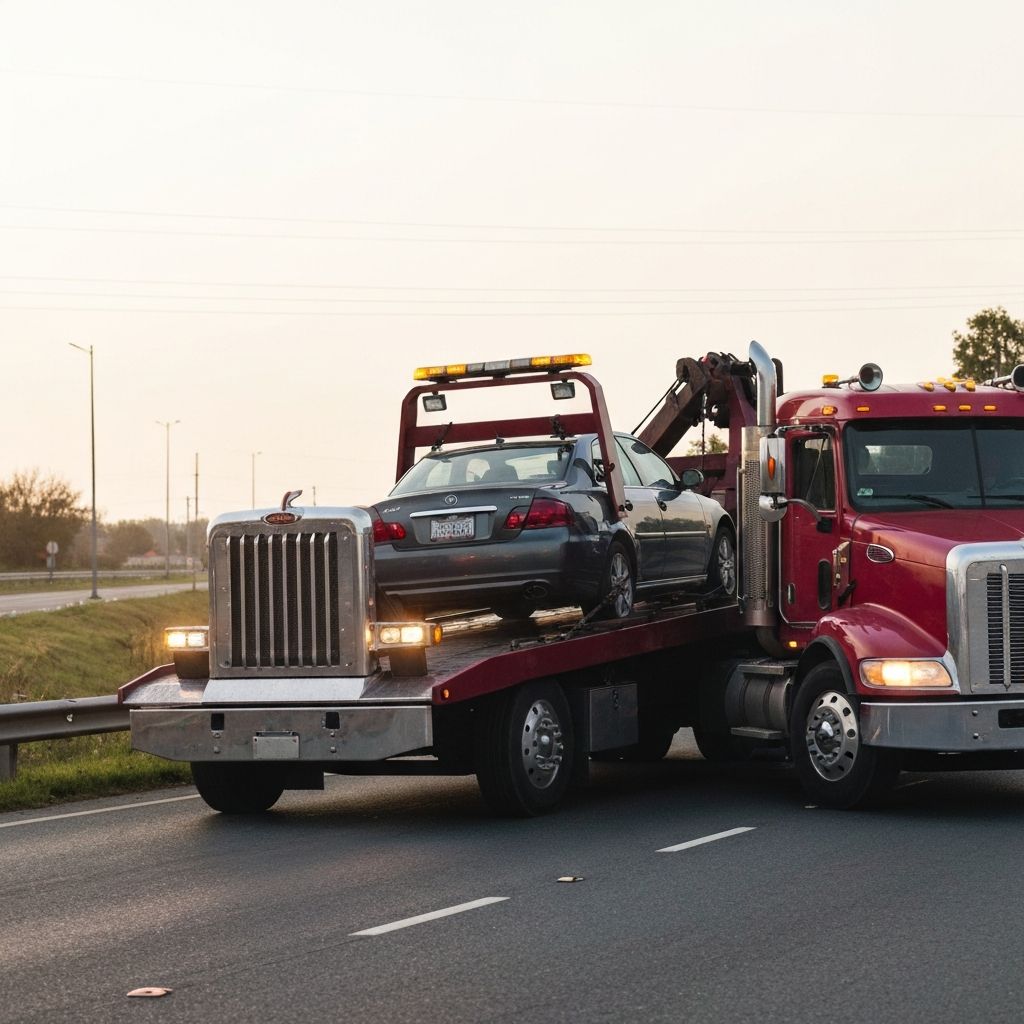
A flatbed tow truck, which transports the entire vehicle on a flat platform, is more expensive but gentler on the vehicle. Flatbed tows are recommended for all-wheel-drive vehicles, luxury cars, and vehicles with low ground clearance. Flatbed towing typically costs $95 to $150 for a short-distance tow, with per-mile rates of $3 to $7.
Heavy-duty tow trucks are used for large vehicles such as RVs, buses, and commercial trucks. These specialized tow trucks are significantly more expensive, with costs starting at $200 to $500 and per-mile rates of $5 to $10 or more. A heavy-duty tow of a large RV or commercial vehicle over a long distance can easily cost $1,000 or more.
Integrated tow trucks, also known as self-loaders, are used for quick tows in urban areas, often by parking enforcement. These trucks are fast and efficient but offer less protection for the vehicle being towed. The cost is comparable to wheel-lift towing.
Additional Fees to Watch Out For
Beyond the base towing fee, there are several additional charges that can increase your total bill. A winching fee is charged when the tow truck operator must use a winch to pull your vehicle out of a ditch, mud, snow, or other difficult situations. Winching fees typically range from $50 to $250, depending on the complexity of the recovery.
Storage fees apply when your vehicle is stored at the towing company's lot after being towed. Storage fees can range from $20 to $75 per day and can add up quickly if your vehicle remains on the lot for several days. Some companies offer a grace period of 24 hours before storage fees begin, while others start charging immediately.
Administrative fees, also known as gate fees or release fees, may be charged when you pick up your vehicle from the towing company's lot. These fees typically range from $15 to $50. Some companies also charge extra for special services such as unlocking a vehicle, changing a flat tire, or providing a jump start.
How to Save Money on Towing
There are several strategies for reducing the cost of towing. Roadside assistance programs, such as those offered by AAA, your auto insurance company, or your vehicle manufacturer, often include towing coverage as part of the membership. AAA membership, for example, costs $50 to $130 per year and includes free towing for up to 100 or 200 miles depending on the membership level.
Many auto insurance policies include optional roadside assistance coverage for an additional $10 to $30 per year. This coverage typically includes towing, jump starts, lockout service, and flat tire changes. Check your policy to see if you already have this coverage before paying for a tow out of pocket.
If you do not have roadside assistance, get quotes from multiple towing companies before choosing one. Prices can vary significantly between companies, even in the same area. Ask about all fees upfront, including hookup fees, per-mile rates, and any potential surcharges, to avoid surprises when the bill arrives.
Some credit cards also offer roadside assistance as a cardholder benefit. Check your credit card's benefits guide to see if towing coverage is included. This can save you the cost of a separate roadside assistance membership.
What to Do When Your Vehicle Needs to Be Towed
If your vehicle breaks down or is involved in an accident and needs to be towed, follow these steps. First, move your vehicle to a safe location if possible, such as the shoulder of the road or a parking lot. Turn on your hazard lights to alert other drivers.
Next, call your roadside assistance provider if you have one. If not, search for a reputable towing company in your area. You can use your smartphone to read reviews and compare prices. Ask the dispatcher for a cost estimate before agreeing to the tow.
While waiting for the tow truck, stay in your vehicle with your seatbelt on if you are on a busy road. If it is safe to exit the vehicle, stand well away from traffic. When the tow truck arrives, provide the driver with clear instructions on where you want your vehicle towed, and make sure you receive a receipt that itemizes all charges.
Understanding Your Rights
As a consumer, you have rights when it comes to towing. Many states and municipalities have regulations that cap towing fees and require towing companies to clearly disclose their prices. Some areas also require towing companies to be licensed and insured.
If you believe you have been overcharged or treated unfairly by a towing company, you can file a complaint with your state's attorney general's office, the Better Business Bureau, or your local consumer protection agency. Keeping a copy of your receipt and any communication with the towing company will support your complaint.
Being informed about towing costs and your rights as a consumer can save you money and stress during what is already an inconvenient situation. Whether you are dealing with a breakdown, an accident, or a flat tire, knowing what to expect from a towing service helps you make smart decisions when they matter most.
