
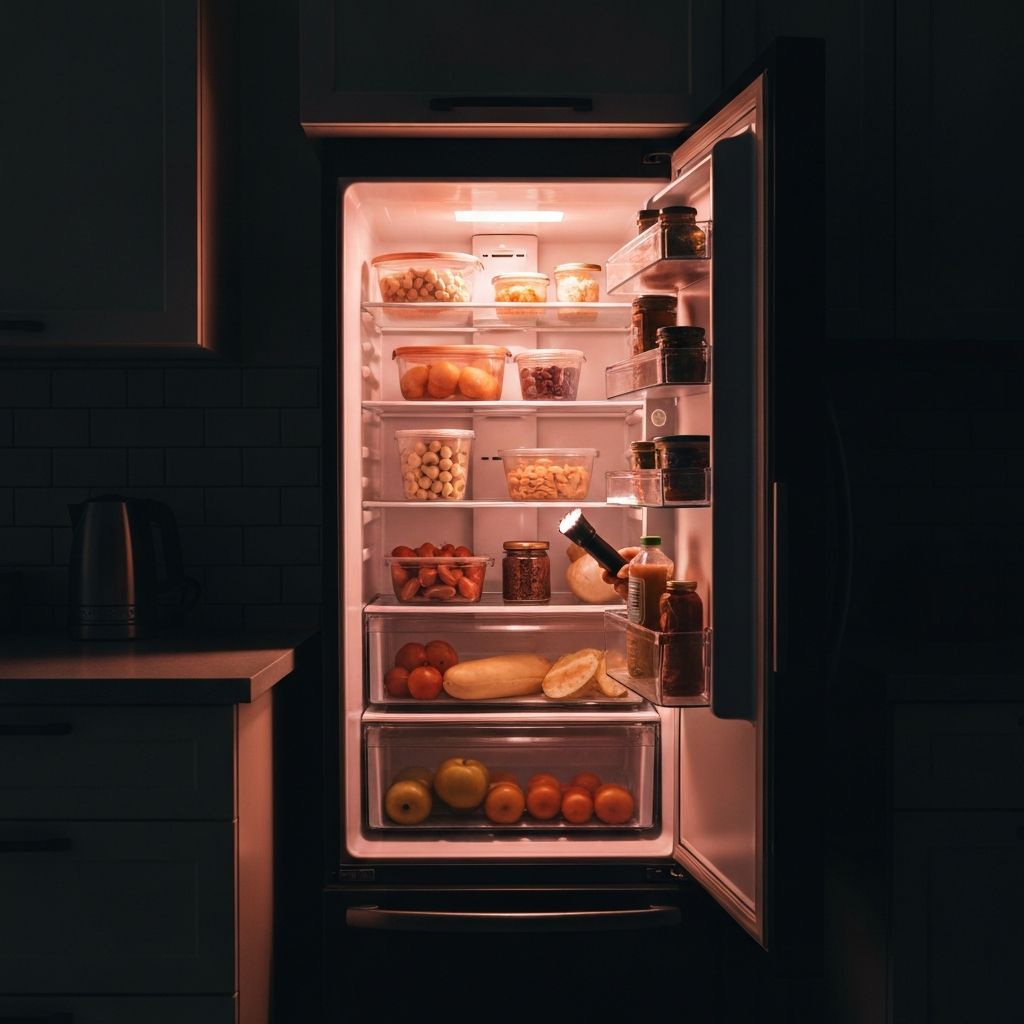
The Critical Timeline for Refrigerated Food
Power outages can happen unexpectedly due to storms, equipment failures, or planned maintenance. When the electricity goes out, one of the most immediate concerns is the safety of the food stored in your refrigerator. According to the USDA, a refrigerator will keep food safely cold for about 4 hours if the door remains closed. This 4-hour window is your buffer, but it starts ticking the moment the power goes out, not when you first notice the outage.
The key to maximizing this 4-hour window is keeping the refrigerator door closed as much as possible. Every time you open the door, warm air rushes in and the internal temperature rises. A closed refrigerator is well-insulated and can maintain safe temperatures for a significant period. If you know a power outage is coming, such as during a planned maintenance shutdown or an approaching storm, prepare by reducing the number of times you need to open the fridge.
Freezer Food Duration Without Power
Freezers maintain safe temperatures significantly longer than refrigerators during a power outage. A full freezer will hold its temperature for approximately 48 hours, while a half-full freezer will maintain safe temperatures for about 24 hours. The difference is due to the thermal mass of the frozen food itself, which acts as a large ice pack and helps keep the surrounding items cold.
The type of food in your freezer also affects how long it stays frozen. Dense items like meat, poultry, and casseroles retain cold temperatures longer than lighter items like bread and baked goods. Ice blocks and frozen water bottles placed in the freezer before an anticipated outage can help extend the safe period by adding thermal mass. Some people keep their freezer full by freezing containers of water, which serves the dual purpose of maintaining temperature during outages and providing drinking water during emergencies.
If you have advance warning of a potential power outage, set your freezer to its coldest setting ahead of time. The colder the freezer is when the power goes out, the longer it will take for the temperature to rise to unsafe levels. Group items together tightly, as clustered frozen items stay cold longer than items spread out with air space between them.
Temperature Monitoring Is Essential
The most reliable way to determine food safety during a power outage is by monitoring the temperature inside your refrigerator and freezer. Place appliance thermometers in both your refrigerator and freezer, and check them as soon as power is restored. If the refrigerator temperature has remained at or below 40°F (4°C), the food is safe. If the freezer temperature has stayed at or below 0°F (-18°C), the food is safe and can remain frozen.
Investing in a digital thermometer with an alarm function can be extremely helpful during power outages. These thermometers can alert you when the temperature rises above a set threshold, giving you time to take action. Some modern smart thermometers can even send alerts to your phone, allowing you to monitor temperatures remotely if you are away from home during the outage.
If you do not have a thermometer and are unsure how long the power was out, the USDA recommends using the following guideline: if the food still contains ice crystals or is at 40°F (4°C) or below when checked, it can be safely refrozen or cooked. If perishable food has been above 40°F (4°C) for more than 2 hours, it should be discarded. When in doubt, throw it out, as foodborne illness is not worth the risk of saving a few dollars worth of groceries.
Which Foods to Keep and Which to Discard
After a power outage lasting more than 4 hours, you will need to evaluate each item in your refrigerator individually. Hard cheeses like cheddar, parmesan, and Swiss are generally safe to keep as long as there is no mold growth. Butter, margarine, and processed cheese are also usually safe. Fresh fruits and vegetables that have not been cut are safe as well, as their intact skin provides natural protection.
Foods that should be discarded after being above 40°F (4°C) for more than 2 hours include raw and cooked meat, poultry, and seafood; milk, cream, and soft cheeses; opened baby formula and baby food; eggs and egg-based dishes; cut fruits and vegetables; cooked pasta, rice, and potatoes; casseroles, soups, and stews; and any food with an unusual odor, color, or texture.
Condiments are a gray area. Ketchup, mustard, relish, pickles, olives, and vinegar-based dressings are generally safe due to their high acidity, which inhibits bacterial growth. Mayonnaise and mayo-based dressings and salads are more susceptible to bacterial growth and should be discarded if they have been above 40°F for more than 8 hours. Open jars of pasta sauce, salsa, and jelly should be evaluated individually based on their ingredients and acidity level.
Preparing for Power Outages
Preparation is the best strategy for dealing with food safety during power outages. Keep your freezer as full as possible, using frozen water containers to fill empty space. Stock up on non-perishable foods that do not require refrigeration, such as canned goods, dried fruits, nuts, crackers, peanut butter, and shelf-stable milk. Having a supply of these foods ensures you will not need to open your refrigerator frequently during an outage.
Invest in a quality cooler and keep a supply of ice or frozen gel packs on hand. If you know a prolonged outage is likely, transfer your most valuable perishable items to a cooler packed with ice. A well-packed cooler can maintain safe temperatures for 24 to 48 hours, significantly extending the safe storage time for your most important food items.
Consider purchasing a portable generator if you live in an area prone to frequent or prolonged power outages. A generator capable of running your refrigerator and freezer can prevent thousands of dollars in food loss and eliminate the health risks associated with consuming improperly stored food. Make sure to operate generators outdoors in well-ventilated areas to prevent carbon monoxide poisoning.
What to Do When Power Returns
When power is restored, check the temperatures in your refrigerator and freezer immediately. If the freezer thermometer reads 40°F (4°C) or below, the food is safe and can be refrozen, though some quality loss may occur. Foods that still have ice crystals can be safely refrozen. If the freezer temperature has risen above 40°F (4°C), evaluate each item individually using the USDA guidelines for food safety.
After discarding any unsafe items, clean your refrigerator and freezer thoroughly. Wipe down all surfaces with a solution of baking soda and water (1 tablespoon per quart of water) to eliminate odors from any food that may have begun to spoil. Check for any leaks or spills that may have occurred as frozen items thawed, and sanitize affected areas to prevent bacterial contamination of fresh food.
Use the experience as motivation to create a power outage preparedness plan. Document what worked well and what you would do differently. Update your emergency food supply, check your thermometers, and consider whether additional equipment like a generator or backup battery system would be a worthwhile investment for future events. Being prepared can make the difference between a minor inconvenience and a major food safety emergency.
