
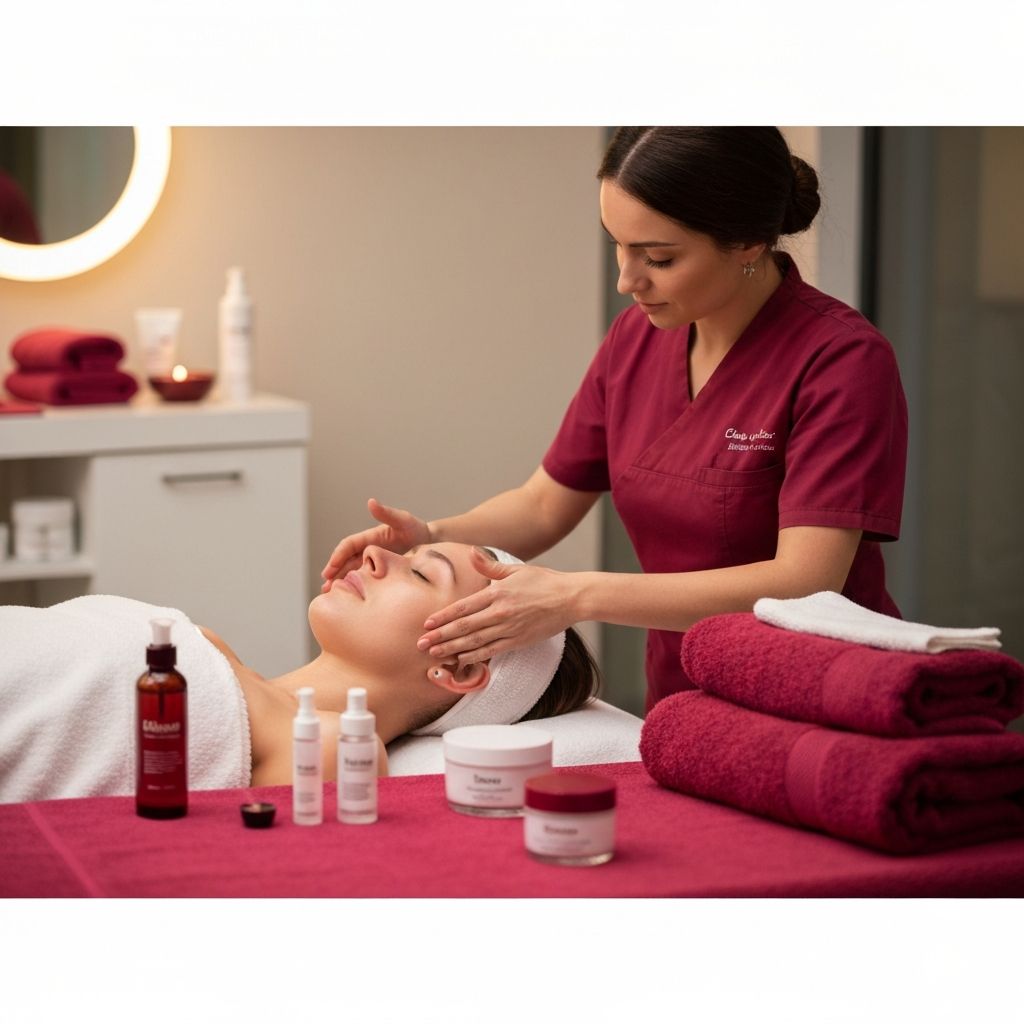
What Is a Chemical Peel?
A chemical peel is a cosmetic treatment that uses a chemical solution to improve and smooth the texture of the skin, primarily on the face, neck, and hands. By removing the outermost layers of skin, chemical peels reveal fresher, smoother skin underneath and can address a variety of skin concerns including fine lines, wrinkles, acne scars, uneven pigmentation, sun damage, and dull complexion.
Chemical peels have been used for skin rejuvenation for decades and remain one of the most popular non-surgical cosmetic procedures performed today. Understanding the costs associated with different types of chemical peels helps you budget appropriately and make informed decisions about your skincare investment.
Average Cost by Type of Chemical Peel
Chemical peels are categorized into three main types based on the depth of skin they treat. The cost increases significantly with the depth and complexity of the peel.
Light (Superficial) Chemical Peels: Light peels use mild acids, typically alpha-hydroxy acids (AHAs) like glycolic acid, to gently exfoliate the outermost layer of skin (epidermis). These peels are the most affordable option, ranging from $150 to $400 per treatment. Light peels require minimal downtime and can be performed in a dermatologist's office, medical spa, or even by an aesthetician. Most patients need a series of four to six treatments for optimal results, so the total investment for a complete treatment series ranges from $600 to $2,400.
Medium Chemical Peels: Medium-depth peels use trichloroacetic acid (TCA) or a combination of acids to penetrate the outer and middle layers of skin. These peels are more effective for treating moderate wrinkles, acne scars, and uneven skin tone but come with a higher price tag of $1,000 to $3,000 per treatment. Medium peels require more recovery time, typically one to two weeks, and are performed by dermatologists or plastic surgeons. A series of two to three treatments may be recommended, with costs totaling $2,000 to $9,000.
Deep Chemical Peels: Deep peels use phenol or high-concentration TCA to penetrate deeply into the skin, addressing severe wrinkles, extensive sun damage, and significant scarring. These are the most expensive option, costing $2,500 to $6,000 or more per treatment. Deep peels are medical procedures that often require sedation or general anesthesia, significantly adding to the total cost. They offer the most dramatic results but require the longest recovery period, typically two to three weeks, and carry the highest risk of complications. Deep peels are usually a one-time treatment.
Factors That Influence Chemical Peel Costs
The price you'll pay for a chemical peel is influenced by numerous factors beyond just the type of peel. Understanding these variables helps you evaluate price quotes and find the best value for your investment.
Geographic Location: Where you live significantly affects the cost of cosmetic procedures. Practices in major metropolitan areas and affluent neighborhoods typically charge more than those in smaller cities or rural areas. Coastal cities like New York, Los Angeles, and Miami tend to have the highest prices, while practices in the Midwest and South may offer more competitive rates.
Provider Qualifications: The credentials and experience of your provider impact the cost. Board-certified dermatologists and plastic surgeons generally charge more than medical aestheticians or nurse practitioners, reflecting their advanced training and expertise. While cost is a consideration, the provider's qualifications should be a primary factor in your decision, especially for medium and deep peels.
Treatment Area: Most price quotes are for facial peels. If you want to treat additional areas such as the neck, chest (decolletage), hands, or arms, the cost will increase proportionally. A full-face peel combined with a neck and chest treatment can cost 50 to 100 percent more than a face-only treatment.
Number of Treatments: Light and medium peels typically require multiple sessions for optimal results. Some practices offer package pricing that reduces the per-treatment cost when you purchase a series upfront. A series of six light peels might cost 15 to 20 percent less per treatment than individual sessions.
Additional Products and Services: Post-peel care products, pre-treatment skin preparation products, and supplementary treatments (like LED light therapy or microneedling) may be recommended and add to the total cost. Some practices include post-treatment products in the peel price, while others charge separately.
Facility Type: Treatments performed in a dermatologist's office or plastic surgeon's practice typically cost more than those performed at medical spas. However, the clinical environment and medical oversight may provide added safety, particularly for deeper peels. Day spas and salons may offer the lowest prices for light peels but may not be equipped to handle complications.
Does Insurance Cover Chemical Peels?
In the vast majority of cases, chemical peels are considered cosmetic procedures and are not covered by health insurance. Insurance companies classify them as elective treatments performed for aesthetic purposes rather than medical necessity.
However, there are limited exceptions. If a chemical peel is performed as part of the treatment for a medically necessary condition, such as precancerous skin lesions (actinic keratoses) or certain types of scarring from injuries, insurance may cover a portion of the cost. Your dermatologist can help determine if your situation might qualify for insurance coverage and assist with any necessary documentation.
Even when insurance doesn't cover the procedure, there are financial options available. Many practices offer payment plans through third-party medical financing companies like CareCredit or Prosper Healthcare Lending. These plans often feature promotional periods with zero or low interest, allowing you to spread the cost over several months.
Health Savings Accounts (HSAs) and Flexible Spending Accounts (FSAs) may also be used for chemical peels if your provider can document a medical necessity for the procedure. Consult with your plan administrator to determine eligibility.
What to Expect During and After a Chemical Peel
Understanding the treatment process and recovery helps you prepare both physically and financially for the procedure.
During a light peel, you'll experience a mild stinging or burning sensation that typically lasts a few minutes. The solution is applied to the skin and left for a specific period before being neutralized or removed. The entire appointment takes 30 to 45 minutes, and you can return to normal activities immediately, though your skin may appear slightly pink or flushed for a day or two.
Medium peels involve a stronger sensation and may require a topical anesthetic for comfort. The treatment takes 30 to 60 minutes, and recovery involves several days of peeling, redness, and sensitivity. You'll need to avoid sun exposure and follow specific post-treatment skincare instructions.
Deep peels are the most intensive experience. The procedure may take one to two hours and often requires sedation. Recovery involves significant peeling, swelling, and redness that can last two to three weeks. Strict sun avoidance is required for several months, and you may need to take time off work during the initial recovery period.
How to Choose the Right Chemical Peel for Your Budget
Selecting the right chemical peel involves balancing your skin concerns, desired results, and budget constraints.
For mild skin concerns like dullness, minor discoloration, and fine texture issues, a series of light peels offers an affordable and low-risk approach. The gradual improvement is less dramatic than deeper peels but achieves meaningful results over time with minimal disruption to your daily life.
For moderate concerns like visible sun damage, moderate acne scarring, or noticeable wrinkles, medium peels provide more significant results at a higher price point. The greater investment is offset by the need for fewer treatments and more noticeable improvement per session.
For severe skin concerns, a deep peel may be the most cost-effective option in the long run, despite its high upfront cost. The dramatic, long-lasting results may eliminate the need for ongoing treatments that accumulate costs over time. However, the risks and recovery requirements should be carefully considered.
Questions to Ask Before Getting a Chemical Peel
Before committing to a chemical peel, asking the right questions helps you make an informed decision and avoid unexpected costs.
Ask about the total cost, including any pre-treatment products, the procedure itself, and post-treatment care products. Request an itemized estimate that breaks down each component so you can understand where your money is going.
Inquire about the recommended number of treatments and whether package pricing is available. Understanding the total investment required for optimal results helps you budget more accurately than focusing on the per-treatment cost alone.
Ask about the provider's experience with the specific type of peel you're considering. Request before-and-after photos of previous patients with similar skin types and concerns. A skilled provider with extensive experience may justify a higher fee through superior results and lower complication rates.
Conclusion
Chemical peel costs range from $150 to $400 for light peels, $1,000 to $3,000 for medium peels, and $2,500 to $6,000 or more for deep peels. The total investment depends on the type of peel, number of treatments needed, geographic location, and provider qualifications. By understanding these factors and asking the right questions, you can make an informed decision that achieves your skincare goals within your budget. Remember that the cheapest option isn't always the best value; prioritize provider qualifications and safety alongside cost considerations.
