
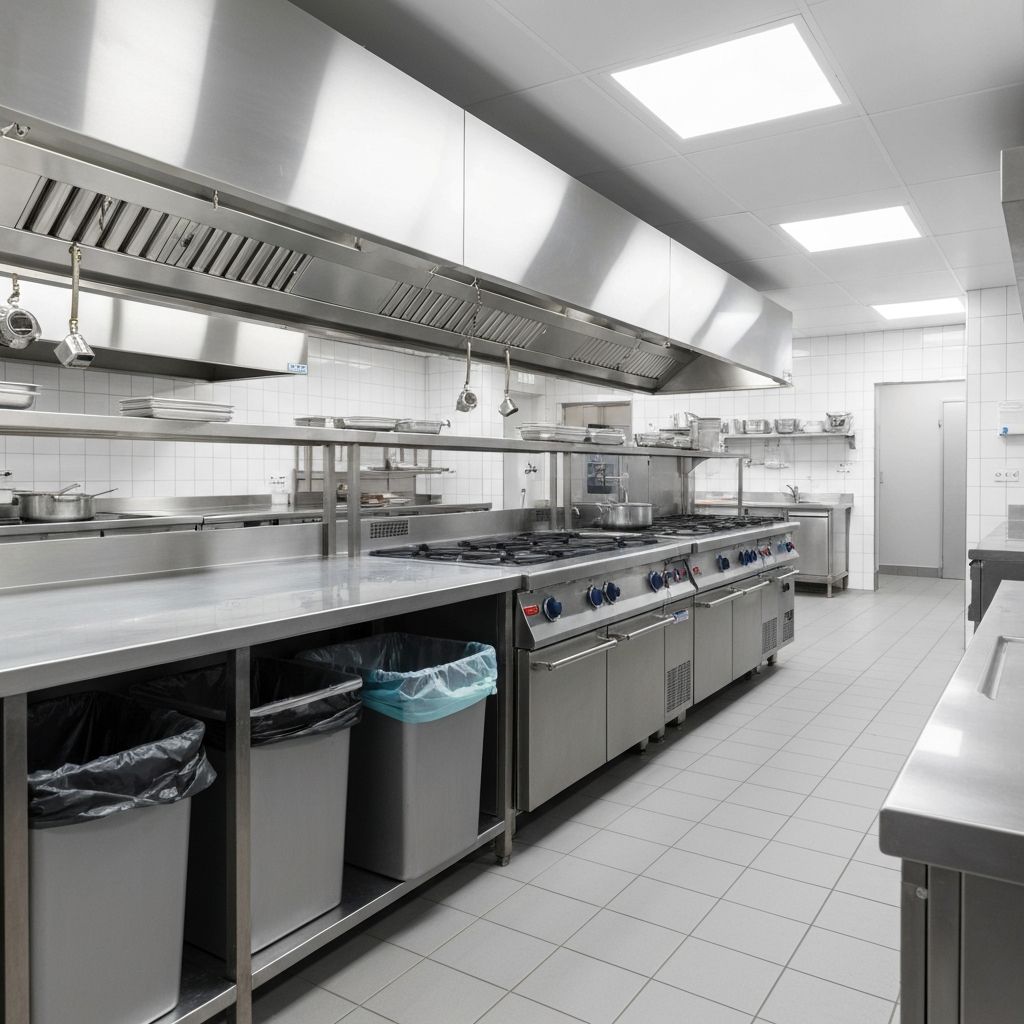
The Importance of Garbage Can Sanitation in Food Service
In the food service industry, maintaining impeccably clean garbage cans is not merely a matter of aesthetics or odor control; it is a critical component of food safety and regulatory compliance. Garbage cans that are not properly cleaned and maintained become breeding grounds for bacteria, attract pests including flies, rodents, and cockroaches, and can create cross-contamination risks that endanger the health of customers and staff alike. Health inspectors pay close attention to the condition of waste receptacles during inspections, and dirty or poorly maintained garbage cans can result in violations, fines, and even temporary closure of a food establishment.
The connection between garbage can hygiene and food safety is direct and significant. In a busy kitchen, garbage cans are touched frequently by food workers who are also handling food, utensils, and equipment. If the garbage can is contaminated with harmful bacteria, these microorganisms can be transferred to hands, gloves, and surfaces, creating a chain of contamination that ultimately reaches the food being prepared for customers. Proper garbage can maintenance breaks this chain of contamination and is an essential element of any comprehensive food safety program.
Establishing a Regular Cleaning Schedule
The foundation of effective garbage can sanitation is a consistent, well-defined cleaning schedule. Food workers should not wait until garbage cans are visibly dirty or odorous to clean them; by that point, bacterial contamination is already well established. Instead, garbage cans should be cleaned on a regular schedule that prevents buildup from occurring in the first place.
At a minimum, garbage cans in food preparation and service areas should be thoroughly cleaned and sanitized at least once per day, typically at the end of each shift or at closing time. In high-volume operations or areas where wet, organic waste is discarded, more frequent cleaning may be necessary, potentially after each meal service or whenever the trash is changed. Garbage cans located outside or in dumpster areas should be cleaned at least once per week, though more frequent cleaning is advisable during warm weather when decomposition and pest activity increase.
Creating a written cleaning schedule and assigning specific responsibility for garbage can cleaning to designated staff members ensures that this task is not overlooked in the busy flow of daily operations. The schedule should specify which cans are to be cleaned, when they should be cleaned, what cleaning products and methods should be used, and who is responsible for the task. This documentation also serves as evidence of compliance during health inspections.
Step-by-Step Cleaning Procedure
Proper garbage can cleaning follows a systematic procedure that removes visible soil, eliminates bacteria, and prevents the buildup of residue that can harbor pathogens. The following step-by-step process represents best practices for food service garbage can sanitation.
First, empty the garbage can completely, removing the trash bag and any loose debris that may have accumulated inside or around the can. Inspect the interior for any stuck-on residue, spills, or buildup that will require extra attention during cleaning. If the can has a lid, remove it for separate cleaning.
Second, rinse the garbage can with hot water to remove loose soil and debris. If possible, use a high-pressure hose or spray nozzle, which is more effective at removing stuck-on residue than a simple stream of water. This initial rinse should be done in an appropriate area, typically outside or in a designated utility sink, never in food preparation sinks or areas where food is handled.
Third, apply a detergent or degreaser solution to the interior and exterior surfaces of the can. Use a long-handled brush or scrub pad to thoroughly scrub all surfaces, paying particular attention to the bottom of the can, the interior rim, and any crevices or textured surfaces where residue tends to accumulate. The detergent step is critical because it removes the organic soil that bacteria need to survive and that sanitizers cannot penetrate effectively.
Fourth, rinse the can thoroughly with clean water to remove all traces of detergent and loosened soil. Any detergent residue left on the surfaces can interfere with the effectiveness of the sanitizer applied in the next step. Ensure that the rinse water drains completely from the can.
Fifth, apply an approved sanitizer solution to all surfaces of the garbage can. Common sanitizers used in food service include quaternary ammonium compounds (quats), chlorine bleach solutions, and iodine-based sanitizers. Follow the manufacturer's instructions for proper dilution and contact time. The sanitizer must remain in contact with the surfaces for the specified time, typically one to two minutes, to effectively kill bacteria and other microorganisms.
Finally, allow the garbage can to air dry completely before putting it back into service. Do not towel dry the can, as towels can reintroduce bacteria. Once dry, line the can with a fresh trash bag and return it to its designated location.
Using Proper Liners and Bags
One of the most effective preventive measures for keeping garbage cans clean is the consistent use of properly sized, high-quality trash bags or can liners. A well-fitted liner acts as a barrier between the waste and the interior surfaces of the can, preventing liquids, grease, and food residue from contacting the can directly. This dramatically reduces the amount of buildup and makes regular cleaning easier and faster.
Choose trash bags that are the correct size for your garbage cans, with enough material to fold over the rim of the can and stay in place during use. Bags that are too small will slip down into the can, exposing the interior surfaces to waste. Bags that are too large may bunch up and create gaps where waste can leak through. Use heavy-duty bags rated for the type of waste you are discarding; kitchen waste bags should be puncture-resistant and leak-proof to handle the sharp bones, heavy liquids, and greasy items common in food service waste.
Change trash bags before they are overfull, as overstuffed bags are more likely to tear and leak, creating messes inside the garbage can. A good practice is to change bags when they are about three-quarters full, ensuring that there is enough room to tie the bag securely before removing it from the can. Tying the bag prevents spills during transport to the dumpster area.
Preventing Odor and Pest Attraction
Odor control and pest prevention are important secondary benefits of proper garbage can sanitation. Odors from garbage cans are caused by the decomposition of organic waste by bacteria, and the same cleaning and sanitizing procedures that eliminate bacteria also address odor at its source. However, additional measures can help keep odors under control between cleanings.
Baking soda is a simple and effective odor neutralizer that can be sprinkled in the bottom of the garbage can before inserting a fresh liner. Commercial odor-neutralizing products designed for food service use are also available and can be applied according to the manufacturer's instructions. Keeping garbage cans covered with tight-fitting lids also helps contain odors and, crucially, prevents pests from accessing the waste.
Flies, cockroaches, and rodents are attracted to the food residue and odors associated with garbage cans. In a food service environment, the presence of any pests is a serious health code violation that can result in significant penalties. Keeping garbage cans clean, covered, and emptied regularly is one of the most important pest prevention measures available to food workers. Garbage cans should always have lids that close securely, and outdoor dumpsters should have intact covers and be placed on clean, hard surfaces that do not provide harborage for pests.
Regulatory Requirements and Health Codes
Food safety regulations at the federal, state, and local levels all address garbage can maintenance as part of broader sanitation requirements. The FDA Food Code, which serves as the model for most state and local health codes, specifies that waste receptacles in food establishments must be kept clean, in good repair, and maintained in a manner that does not create a public health hazard or attract pests.
During health inspections, inspectors will check the condition of garbage cans as part of their overall assessment of the establishment's sanitation practices. Common violations related to garbage cans include visible buildup or residue on can surfaces, absence of liners or use of torn liners, missing or broken lids, garbage cans stored too close to food preparation or storage areas, overflowing cans, and evidence of pest activity around waste areas.
To maintain compliance with health codes, food service managers should include garbage can sanitation in their standard operating procedures (SOPs), train all staff on proper waste handling and can cleaning procedures, conduct regular self-inspections to identify and correct issues before they become violations, and maintain documentation of cleaning schedules and activities. These proactive measures demonstrate a commitment to food safety and can result in better inspection scores and fewer violations.
Training Food Workers
Effective garbage can sanitation requires that all food workers understand the importance of waste management hygiene and are trained in proper procedures. Training should cover the rationale behind garbage can cleaning (why it matters for food safety), the specific cleaning procedure and products used at the establishment, the cleaning schedule and individual responsibilities, proper handwashing procedures to follow after handling garbage, and how to identify and report signs of pest activity or equipment problems.
Training should be provided during new employee orientation and reinforced through regular refresher sessions. Many food service managers find that including garbage can sanitation as a visible item on daily checklists helps maintain awareness and ensures that the task is completed consistently. Positive reinforcement and recognition of staff who maintain high sanitation standards can also help foster a culture of cleanliness and food safety throughout the organization.
Conclusion
Keeping garbage cans clean and free of buildup is an essential responsibility for food workers that directly impacts food safety, pest prevention, and regulatory compliance. By establishing regular cleaning schedules, following proper cleaning and sanitizing procedures, using appropriate liners, maintaining can covers, and training all staff in proper waste management practices, food service establishments can ensure that their garbage cans are not a source of contamination or a magnet for pests. Clean garbage cans are a reflection of an establishment's overall commitment to food safety and contribute to a healthier, more pleasant environment for both workers and customers.
