
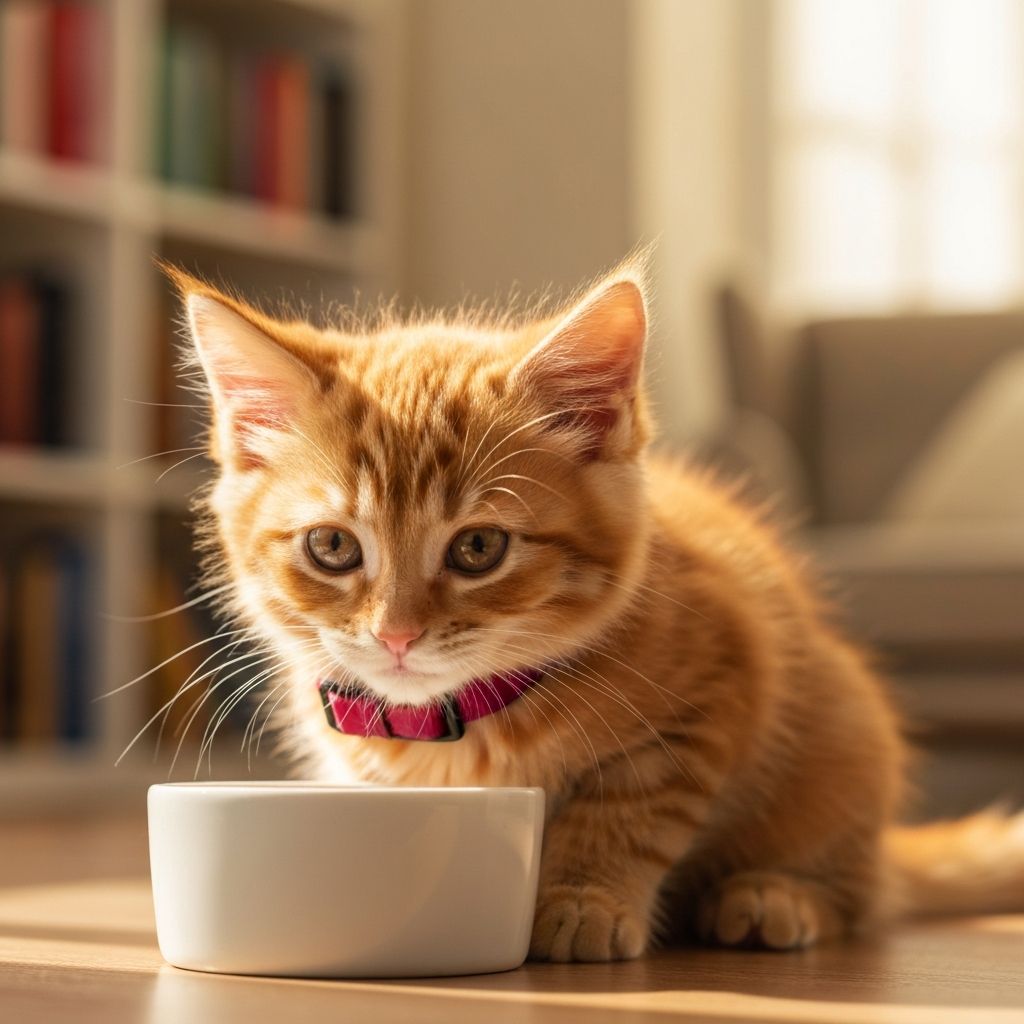
Why Kitten Food Is Different from Adult Cat Food
Kittens have significantly different nutritional needs than adult cats, which is why kitten-specific food exists. During the first year of life, kittens undergo rapid growth and development that requires a diet rich in calories, protein, fat, vitamins, and minerals. Kitten food is formulated to meet these elevated nutritional demands, providing the building blocks necessary for healthy bone development, muscle growth, organ maturation, and immune system function.
Compared to adult cat food, kitten food typically contains 30 to 50 percent more calories per serving, higher levels of protein, usually around 35 to 50 percent compared to 25 to 35 percent in adult food, and increased levels of essential fatty acids like DHA, which is critical for brain and eye development. Kitten food also contains higher concentrations of calcium, phosphorus, and other minerals needed for skeletal growth, as well as added vitamins that support the developing immune system.
Feeding adult cat food to a kitten can result in nutritional deficiencies that may not be immediately apparent but can have long-term consequences for health and development. Conversely, feeding kitten food to an adult cat for an extended period can lead to weight gain and obesity because of the higher calorie and fat content. This is why understanding the appropriate timeline for transitioning from kitten food to adult food is so important.
The General Timeline: Birth to 12 Months
The standard recommendation from most veterinarians is to feed kitten food from birth until approximately 12 months of age, at which point most cats can transition to adult maintenance food. This timeline aligns with the growth curve of most domestic cats, which reach their adult size and weight by about one year of age. However, this is a general guideline, and the optimal transition time can vary depending on breed, size, and individual development.
During the first four weeks of life, kittens should receive nutrition exclusively from their mother's milk or, if the mother is unavailable, a commercial kitten milk replacer. Mother's milk provides essential antibodies, nutrients, and hydration that are critical for survival and early development. Do not feed cow's milk to kittens, as it can cause severe digestive upset and does not provide appropriate nutrition.
Between four and eight weeks of age, kittens begin the weaning process. Start introducing soft kitten food by mixing it with a small amount of kitten milk replacer or warm water to create a gruel-like consistency. Gradually reduce the amount of liquid over several weeks until the kitten is eating moistened solid food. Most kittens are fully weaned by eight weeks of age and can eat kitten food without any added liquid.
From eight weeks to twelve months, kittens should eat kitten food exclusively. During this period, they will go through several growth spurts and their caloric needs will be at their highest. Free-feeding, or leaving food available at all times, is often recommended for kittens under six months to ensure they can eat whenever they are hungry. After six months, transitioning to scheduled meals of two to three times per day helps establish healthy eating habits.
Large Breed Exceptions
While 12 months is the standard transition age for most cats, larger breeds may need to stay on kitten food longer. Maine Coons, Ragdolls, Norwegian Forest Cats, and other large breeds can take 18 to 24 months to reach their full adult size. These breeds continue growing well past the one-year mark and may benefit from the additional calories and nutrients in kitten food during this extended growth period.
If you have a large breed kitten, consult with your veterinarian about the appropriate time to transition to adult food. They can assess your kitten's growth rate, body condition, and overall health to determine when the switch is appropriate. Transitioning too early for a large breed kitten can deprive them of nutrients needed for continued growth, while transitioning too late can contribute to excessive weight gain.
Mixed breed cats of larger stature may also benefit from extended kitten food feeding. If your cat seems to still be growing significantly at the 12-month mark, gaining height and length rather than just weight, discuss with your vet whether continuing kitten food for a few more months would be beneficial.
Signs Your Kitten Is Ready to Transition
Beyond the calendar, there are several signs that indicate your kitten is ready to transition from kitten food to adult food. The most reliable indicator is that your kitten has reached their expected adult weight and has stopped growing in height and length. For most domestic cats, this means a body weight between 8 and 12 pounds, though this varies significantly by breed and individual.
Your kitten should have a full set of adult teeth, which typically come in by about six months of age. They should have a well-proportioned body that is neither overly thin nor carrying excess weight. Their coat should be full and glossy, and they should have consistent energy levels and regular, well-formed stools. All of these signs indicate that your kitten has reached physical maturity and is ready for the lower calorie content of adult food.
Another sign that it may be time to transition is if your kitten begins to gain excess weight while eating kitten food. Because kitten food is calorie-dense, some cats that mature early or have lower activity levels may start to become overweight before the 12-month mark. If your veterinarian determines that your kitten is gaining too much weight, they may recommend transitioning to adult food earlier than the standard timeline.
How to Transition from Kitten Food to Adult Food
The transition from kitten food to adult food should be done gradually over a period of seven to ten days to avoid digestive upset. Cats have sensitive digestive systems, and sudden changes in diet can cause vomiting, diarrhea, loss of appetite, and other gastrointestinal issues. A slow transition gives the digestive system time to adjust to the new food's protein sources, fat content, and fiber levels.
A recommended transition schedule is as follows. On days one and two, mix 75 percent kitten food with 25 percent adult food. On days three and four, mix 50 percent kitten food with 50 percent adult food. On days five and six, mix 25 percent kitten food with 75 percent adult food. On day seven and beyond, feed 100 percent adult food. If your cat shows signs of digestive upset at any stage, slow down the transition and stay at the current ratio for a few extra days before proceeding.
During the transition, monitor your cat closely for any signs of digestive distress. Soft stools, decreased appetite, or vomiting are signals that you may be moving too quickly. Some cats are more sensitive than others and may need a two to three week transition period instead of the standard seven to ten days. Be patient and let your cat's digestive system set the pace.
Choosing the Right Adult Cat Food
When selecting an adult cat food to transition to, look for a product that meets the nutritional standards established by the Association of American Feed Control Officials, often abbreviated as AAFCO. The label should state that the food is complete and balanced for adult maintenance, which means it contains all the nutrients an adult cat needs in the appropriate proportions.
Choose a food that lists a named animal protein as the first ingredient, such as chicken, salmon, or turkey, rather than a generic term like meat or poultry by-products. Higher-quality protein sources are more digestible and provide better nutrition for your cat. Avoid foods with excessive fillers like corn, wheat, or soy, which provide little nutritional value for obligate carnivores like cats.
If your cat has been eating wet kitten food, consider continuing with wet adult food, as it provides beneficial hydration and is generally more palatable to cats. If you prefer dry food for convenience, choose a high-quality kibble and ensure your cat has access to fresh water at all times. Many veterinarians recommend a combination of wet and dry food to balance hydration, nutrition, and dental health.
What Happens If You Feed Kitten Food Too Long
Feeding kitten food to an adult cat for too long is a common mistake that can have real consequences. The excess calories in kitten food can lead to weight gain and obesity, which is the most common nutritional problem in domestic cats. Obesity in cats is associated with a significantly increased risk of diabetes, arthritis, liver disease, urinary tract problems, and a reduced lifespan.
The higher mineral content in kitten food, particularly calcium and phosphorus, can also be problematic for adult cats if consumed long-term. Adult cats do not need the elevated mineral levels designed for growing bones, and excessive mineral intake can potentially contribute to urinary tract issues, including the formation of crystals or stones in the bladder.
If you realize you have been feeding kitten food to your adult cat for too long, do not panic. Simply begin the gradual transition to adult food as described above. Most cats will adjust well, and any excess weight gained can be managed through proper portion control and increased activity. If your cat has gained significant weight, consult your veterinarian for a weight management plan that ensures safe, gradual weight loss.
