
The Short Answer: Not Really, But It Depends
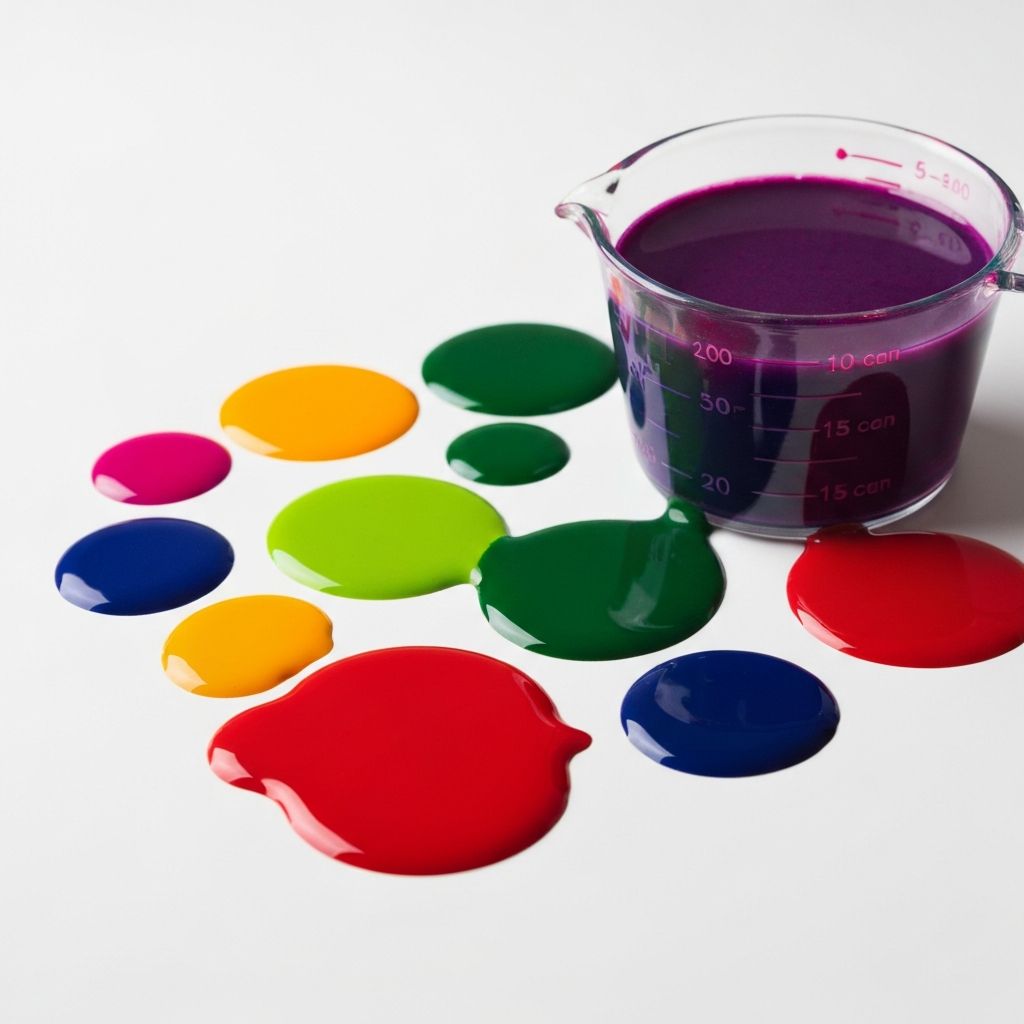
Food coloring is one of those pantry staples that many people have tucked away in a drawer or cabinet for years, pulling it out occasionally for holiday cookies or birthday cakes. The good news is that food coloring is remarkably shelf-stable and, in most cases, does not expire in the traditional sense. However, the answer is more nuanced than a simple yes or no, as different types of food coloring have different longevity profiles, and the quality of any food coloring can degrade over time depending on storage conditions.
Most commercially produced food coloring consists of synthetic dyes dissolved in water or a water-glycerin mixture. These synthetic dyes are chemically stable compounds that do not break down easily under normal storage conditions. The FDA does not require expiration dates on food coloring, though many manufacturers voluntarily include "best by" dates on their products. These dates indicate when the product is at peak quality, not when it becomes unsafe to use.
Types of Food Coloring and Their Shelf Lives
Liquid food coloring is the most common type found in grocery stores and is what most people picture when they think of food dye. Brands like McCormick and Wilton produce liquid food coloring that consists of synthetic dyes dissolved in water with small amounts of propylene glycol or glycerin as preservatives. Liquid food coloring can last virtually indefinitely if stored properly, though the color may become less vibrant after several years.
Gel food coloring, also known as gel paste, is a concentrated form of food coloring that contains less water than liquid varieties. This concentrated formula produces more vibrant colors with smaller quantities, making it popular among professional bakers and cake decorators. Gel food coloring has an excellent shelf life, typically lasting three to five years or more when stored properly. Because it contains less water, gel food coloring is somewhat less prone to evaporation and contamination than liquid varieties.
Powder food coloring is the most shelf-stable form of food dye. Because it contains no water or liquid components, powder food coloring is virtually immune to the microbial growth and evaporation issues that can affect liquid and gel forms. Properly stored powder food coloring can last for many years, potentially decades, without significant degradation in color quality or safety.
Natural food colorings, made from plant-based sources like beet juice, turmeric, spirulina, and butterfly pea flower, have significantly shorter shelf lives than their synthetic counterparts. Natural dyes are more susceptible to degradation from light, heat, and oxidation, and may lose their color intensity relatively quickly. Most natural food colorings should be used within one to two years of opening, and some may require refrigeration.
Signs That Your Food Coloring Has Degraded
While food coloring rarely becomes unsafe to consume, there are several signs that it may have degraded in quality and should be replaced. The most obvious sign is a change in color. If your red food coloring has turned brown or your blue has become murky, the dye has likely degraded and will not produce the desired color in your recipes.
Liquid food coloring that has dried out, thickened significantly, or developed clumps may have lost moisture through evaporation, especially if the bottle was not sealed tightly after use. In some cases, you may be able to restore dried-out food coloring by adding a few drops of water and shaking well, but if the color has significantly changed, it is best to replace it.
Any signs of contamination, such as mold growth, unusual odors, or foreign particles in the bottle, are clear indicators that the food coloring should be discarded immediately. While the synthetic dyes themselves are not conducive to microbial growth, the water base of liquid food coloring can potentially support bacteria or mold if contaminated during use, particularly if food particles or other substances are introduced into the bottle.
Separation of ingredients is another sign of degradation. If you notice layers or sediment in your liquid or gel food coloring, the ingredients may have begun to separate. A gentle shake may recombine them, but if the separation persists or the consistency seems off, it is time for a fresh bottle.
How to Properly Store Food Coloring
Proper storage is the key to maximizing the shelf life of all types of food coloring. Store your food coloring in a cool, dry place away from direct sunlight and heat sources. A pantry, kitchen drawer, or cabinet that is not adjacent to the oven or dishwasher is ideal. Avoid storing food coloring in areas that experience significant temperature fluctuations, such as near windows or in garages.
Always ensure that bottles and containers are tightly sealed after each use. Exposure to air can cause evaporation in liquid and gel food colorings and can introduce moisture into powder varieties. If your food coloring comes in squeeze bottles, make sure the caps are fully closed and that no dried residue is preventing a proper seal.
Keep the openings of bottles and containers clean to prevent contamination. Dried food coloring residue around the opening can prevent proper sealing and may introduce contaminants when the bottle is opened. Wipe the opening with a clean, damp cloth after each use before replacing the cap.
For natural food colorings, follow any storage instructions on the packaging, as some may require refrigeration after opening. Even if refrigeration is not required, storing natural food colorings in the refrigerator can help extend their shelf life by slowing the degradation of the plant-based pigments.
Food Safety Considerations
From a food safety perspective, properly stored synthetic food coloring poses minimal risk, even years after purchase. The synthetic dyes used in commercial food coloring, including FD&C Red 40, Yellow 5, Yellow 6, Blue 1, and others, are chemically stable and have been approved by the FDA for use in food products. These dyes do not spoil or become toxic over time under normal storage conditions.
However, it is important to note that the safety of food coloring has been a topic of ongoing debate. Some studies have suggested potential links between certain synthetic food dyes and hyperactivity in children, allergic reactions in sensitive individuals, and other health concerns. While the FDA maintains that approved food dyes are safe for consumption, some consumers prefer to use natural food colorings to avoid synthetic additives.
If you have concerns about the safety of food coloring, look for products that use natural colorants derived from fruits, vegetables, and other plant sources. While these natural options may have shorter shelf lives and may not produce colors as vivid as synthetic dyes, they offer an alternative for health-conscious consumers.
Using Expired or Old Food Coloring
If you find a bottle of food coloring in the back of your drawer that is past its best-by date, do not panic. In most cases, the food coloring is still safe to use, though the color may not be as vibrant as a fresh bottle. Before using old food coloring, perform a simple test by placing a drop on a white plate or paper towel. If the color appears vivid and consistent, the food coloring is likely still fine to use.
If the color appears faded, off-hue, or inconsistent, the dye has degraded and may not produce the desired results in your recipe. While using degraded food coloring is unlikely to pose a health risk, it may not provide the visual impact you are looking for, resulting in pale or muddy-colored baked goods, frostings, or other creations.
When using older food coloring, you may need to use a larger quantity to achieve the desired color intensity. Start by adding the usual amount and assess the color before adding more. Keep in mind that colors may appear different when mixed into batter, frosting, or other media compared to how they look in the bottle, so always test in a small amount first.
Tips for Getting the Most Out of Your Food Coloring
To get the best results from your food coloring, whether fresh or stored for some time, keep these tips in mind. Always start with a small amount and add more gradually. It is much easier to add more color than to correct an overly vibrant shade. For deep, saturated colors, gel or powder food coloring will produce better results than liquid, which can add excess moisture to recipes.
When coloring royal icing, fondant, or buttercream, add the food coloring and let the mixture rest for 10 to 15 minutes before assessing the final color. Many food colorings, particularly gel and powder types, deepen and intensify over time as they fully dissolve and distribute throughout the medium.
For consistent results across batches, consider investing in professional-grade food coloring from brands like AmeriColor, Chefmaster, or Wilton. These products offer more concentrated pigments, greater color consistency, and longer shelf lives than budget grocery store options. While they may cost more upfront, a single bottle can last for years and will produce more reliable and vibrant results.
In summary, food coloring is one of the most shelf-stable items in your kitchen. With proper storage and occasional quality checks, your food coloring collection can serve you well for years. Whether you are decorating sugar cookies for the holidays or creating a stunning rainbow cake, properly stored food coloring will be ready to deliver vibrant color whenever inspiration strikes.
