
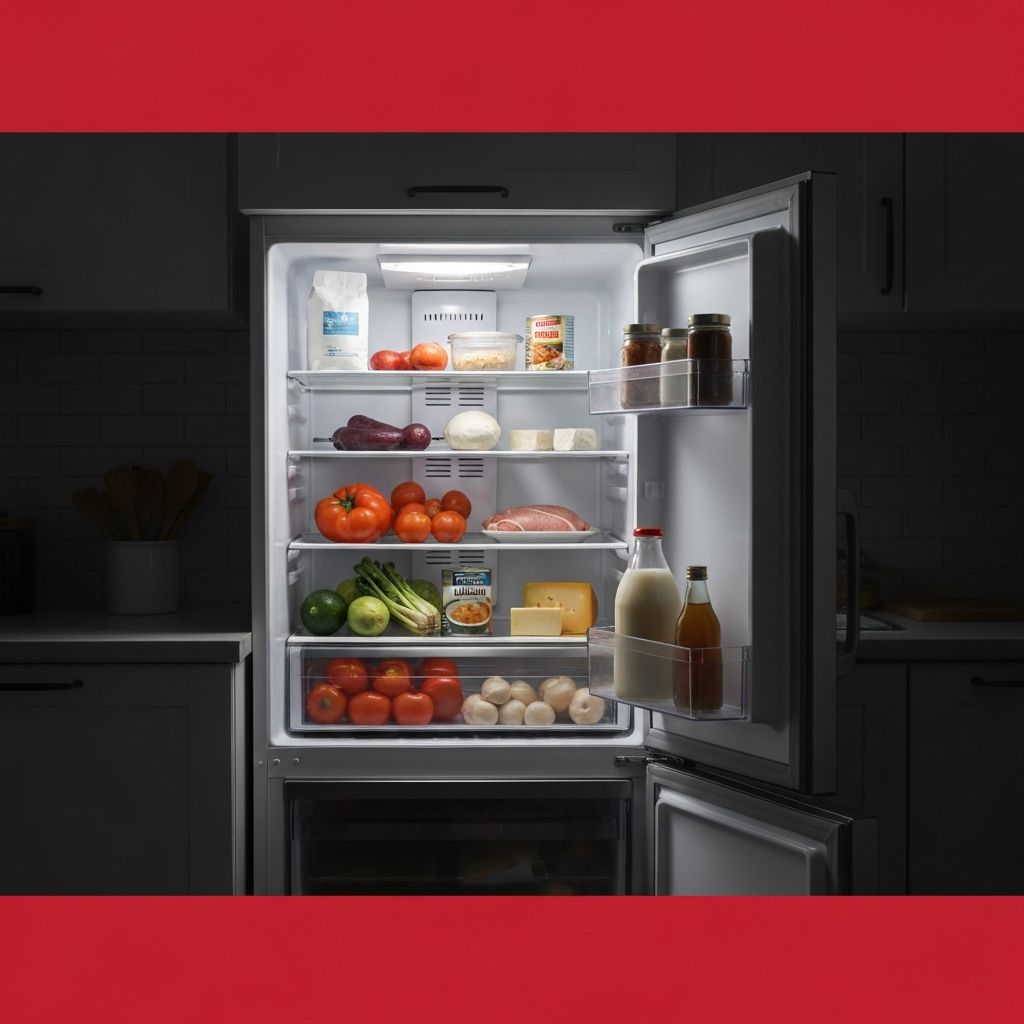
Power Outages and Food Safety
Power outages can strike at any time, whether from severe weather, grid failures, or planned maintenance. When the power goes out, one of the first concerns for most households is the safety of the food stored in their refrigerator and freezer. Understanding how long food can safely remain without power is crucial knowledge that can prevent foodborne illness and help you make informed decisions about what to keep and what to discard.
The United States Department of Agriculture (USDA) and the Food and Drug Administration (FDA) provide clear guidelines for food safety during power outages. These guidelines are based on the fundamental principle that perishable foods become unsafe when they remain in the "danger zone," between 40 and 140 degrees Fahrenheit, for extended periods.
How Long Does a Refrigerator Stay Cold?
A refrigerator will maintain a safe temperature (at or below 40 degrees Fahrenheit) for approximately four hours after the power goes out, provided the door remains closed. This four-hour window is based on a normally functioning refrigerator that was at the proper temperature (37 to 40 degrees Fahrenheit) when the power failed.
Every time the refrigerator door is opened, cold air escapes and warm air enters, reducing this safe window. Resisting the urge to open the refrigerator to check on food is one of the most important steps you can take during a power outage. If you need to access refrigerated items, plan ahead, open the door briefly, remove what you need, and close the door quickly.
Several factors affect how long a refrigerator stays cold. A full refrigerator retains cold better than an empty one because the thermal mass of the food helps maintain the temperature. The ambient temperature of the room also matters; a refrigerator in a cool basement will stay cold longer than one in a hot kitchen. The age, condition, and insulation quality of the appliance also play roles.
Freezer Food Safety During Outages
Freezers maintain safe temperatures longer than refrigerators due to the thermal mass of frozen food. A full freezer will hold its temperature for approximately 48 hours without power, while a half-full freezer will maintain safe temperatures for about 24 hours. Again, these estimates assume the door remains closed.
The type of food in the freezer affects how long it stays frozen. Dense items like meat and stews stay frozen longer than lighter items like bread or pastries. A freezer packed tightly with frozen food creates a solid mass of cold that resists temperature increases more effectively than a loosely packed freezer.
If you anticipate a power outage (such as from an approaching storm), you can prepare your freezer by filling any empty space with containers of water. Once frozen, these water containers act as large ice blocks that help maintain freezer temperature during the outage. You can also lower the freezer temperature to its coldest setting before the outage begins, giving the food a head start on staying frozen.
Which Foods to Keep and Which to Discard
After a power outage exceeding four hours, you will need to evaluate your refrigerated foods carefully. The general rule is straightforward: if a perishable food item has been above 40 degrees Fahrenheit for more than two hours, it should be discarded. Using an appliance thermometer in your refrigerator is the most reliable way to check the temperature after an outage.
Foods that should be discarded after extended time above 40 degrees include raw and cooked meats, poultry, and fish; milk, cream, and soft cheeses; eggs and egg-based dishes; cut fruits and vegetables; cooked pasta, rice, and potatoes; casseroles, soups, and stews; and lunch meats and hot dogs.
Some foods are safe to keep even after extended power outages. Hard cheeses like cheddar, Swiss, and Parmesan are generally safe. Butter and margarine are usually fine. Condiments like ketchup, mustard, relish, and vinegar-based dressings can typically be kept. Fresh fruits and vegetables that are uncut and uncooked are usually safe. Bread, rolls, cakes, and muffins without cream fillings are also fine.
The "When in Doubt, Throw It Out" Rule
The USDA's motto for food safety during power outages is clear: "When in doubt, throw it out." This rule exists because many dangerous bacteria do not cause visible changes in food's appearance, smell, or taste. Food can look and smell perfectly fine while harboring enough bacteria to cause serious illness.
It is tempting to taste questionable food to determine if it is still good, but this is strongly discouraged. Even a small amount of contaminated food can cause illness. The cost of replacing food is always less than the cost of treating foodborne illness, which can range from mild discomfort to hospitalization or worse, particularly for vulnerable populations like children, elderly individuals, pregnant women, and immunocompromised persons.
Taking inventory of your food immediately after power is restored allows you to make informed decisions quickly. Having an appliance thermometer in both your refrigerator and freezer provides objective data about whether safe temperatures were maintained throughout the outage.
Frozen Food Assessment After Power Restoration
Evaluating frozen food after a power outage requires a different approach than refrigerated items. If food in the freezer still contains ice crystals or is at 40 degrees Fahrenheit or below when power is restored, it can safely be refrozen. The quality may be reduced due to partial thawing and refreezing, but the food is safe.
If frozen food has thawed completely and has been above 40 degrees Fahrenheit for more than two hours, it should be treated like refrigerated food and evaluated based on perishability. Some fully thawed foods can be cooked immediately rather than refrozen, which is often a better option for maintaining quality.
Meats, poultry, and seafood that have thawed but are still cold (at or below 40 degrees) can be cooked and then refrozen. This approach preserves more of the food's quality than refreezing it raw. Fruits that have thawed can be used in smoothies, baked goods, or jams rather than being discarded.
Preparing for Power Outages
Advance preparation significantly reduces food waste and safety concerns during power outages. Stock your pantry with non-perishable foods that require no refrigeration or cooking, such as canned goods, crackers, peanut butter, dried fruits, and nuts. Having a manual can opener is essential if you rely on canned goods.
Invest in a good appliance thermometer for both your refrigerator and freezer. These inexpensive devices provide critical information for assessing food safety after an outage. Some modern models include alarms that alert you when temperatures rise above safe levels.
Consider purchasing block ice or dry ice for extended outages. A full cooler of ice can keep food safe for several days if properly managed. Block ice lasts longer than ice cubes and is more practical for emergency use. Dry ice can keep frozen food frozen for extended periods but must be handled with proper safety precautions.
Grouping foods in the freezer and labeling shelves can help you quickly find what you need without holding the door open for extended periods. Some people keep a frozen water bottle on top of a coin inside the freezer; if they return to find the coin has sunk to the bottom, they know the freezer fully thawed during their absence.
Special Considerations for Medications
Some medications require refrigeration and may be affected by power outages. Insulin, certain antibiotics, and other temperature-sensitive medications should be monitored during outages. Consult your pharmacist or healthcare provider about the specific temperature requirements and safety windows for your refrigerated medications.
If you have medications that must remain cold, prioritize keeping them in the coldest part of the refrigerator and consider transferring them to a cooler with ice if the outage is expected to be prolonged. Having a backup plan for medication storage is an important part of overall emergency preparedness.
