
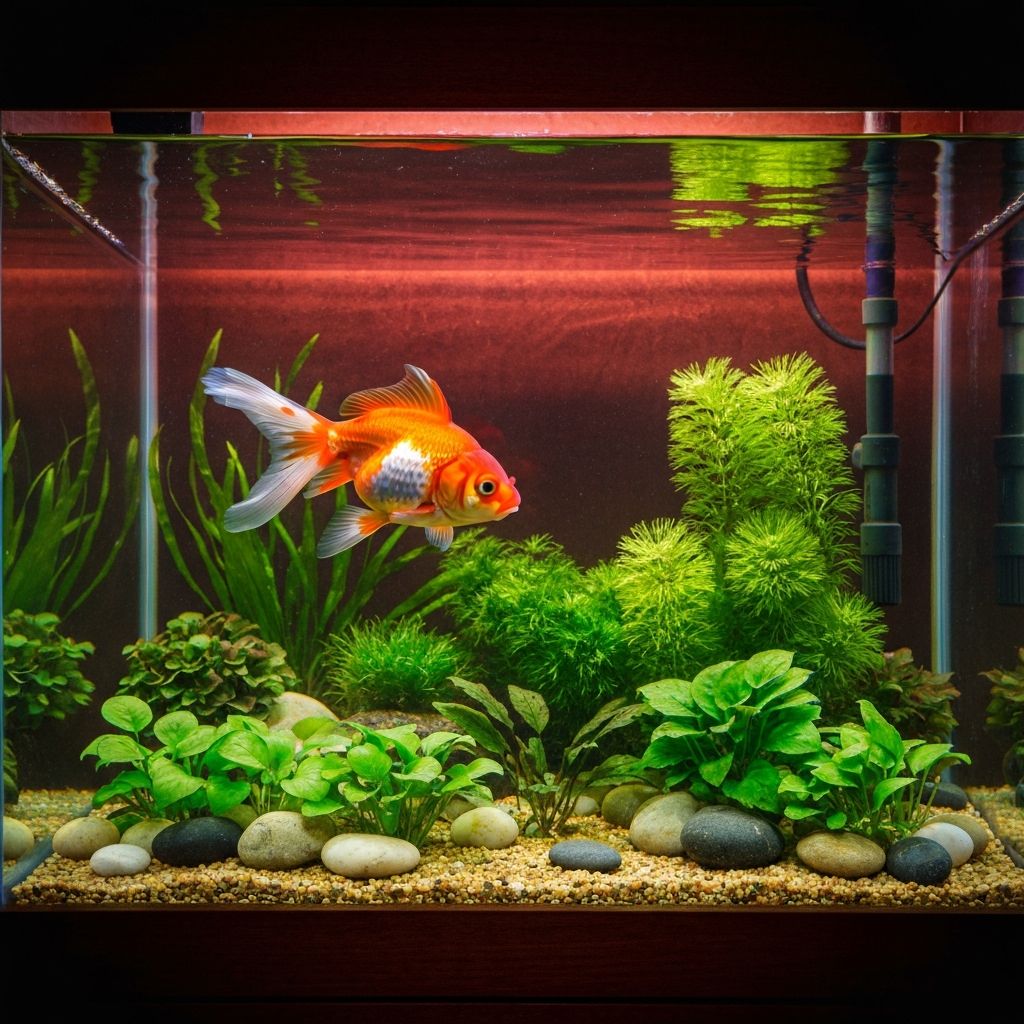
The Resilience of Goldfish: Understanding Their Fasting Abilities
Goldfish are among the most popular and widely kept pet fish in the world, known for their vibrant colors, peaceful temperament, and surprising hardiness. One question that frequently arises among goldfish owners is how long these aquatic pets can go without food. Whether you are planning a weekend getaway, a week-long vacation, or simply forgot a feeding, understanding your goldfish's ability to survive without food is important for responsible pet care. The short answer is that a healthy adult goldfish can survive without food for about one to two weeks, with some individuals lasting even longer under optimal conditions. However, this does not mean you should regularly skip feedings or leave your fish without food for extended periods.
Goldfish are cold-water fish with relatively slow metabolisms compared to tropical fish species. This slower metabolism means they can go longer periods between meals without experiencing the same level of stress or health decline that tropical fish might. Additionally, goldfish are natural foragers and can find small amounts of food in their environment, such as algae growth on tank surfaces and decorations, microorganisms in the water, and small bits of organic matter. These supplemental food sources can help sustain a goldfish during periods when no food is provided.
Factors That Influence How Long Goldfish Can Fast
Several key factors determine how well a goldfish can tolerate going without food. The age and size of the goldfish are among the most important considerations. Adult goldfish, typically those over one year old, have more body mass and fat reserves to draw upon during fasting periods. They can generally go one to two weeks without food with minimal health consequences. Baby and juvenile goldfish, however, are actively growing and have higher metabolic needs relative to their body size. Young goldfish should not go more than two to three days without food.
Water temperature plays a significant role in goldfish metabolism and, consequently, their food requirements. Goldfish are ectothermic animals, meaning their body temperature and metabolic rate are directly influenced by the temperature of their environment. In cooler water temperatures (55-65 degrees Fahrenheit), goldfish metabolism slows considerably, and they require less food. In warmer water (70-78 degrees Fahrenheit), their metabolism increases, and they burn through energy stores more quickly. Goldfish kept in outdoor ponds during winter may enter a state of torpor and can go weeks or even months without eating as their metabolism virtually shuts down.
The overall health and body condition of the goldfish before the fasting period is crucial. A well-fed, healthy goldfish with good body weight will tolerate fasting much better than one that is already underweight, stressed, or battling an illness. Goldfish with parasites, bacterial infections, or other health issues burn more energy fighting disease and have less reserve to draw upon during periods without food.
Water quality is another critical factor. Goldfish in clean, well-maintained water with proper filtration and aeration will fare better during fasting than fish in poor water conditions. Ammonia and nitrite buildup in the tank can stress fish and compromise their immune system, making them more vulnerable during periods without food. Maintaining good water quality through regular water changes and adequate filtration is essential, especially if you plan to be away from home.
What Happens When Goldfish Do Not Eat
When a goldfish goes without food, its body undergoes several physiological changes to conserve energy. Initially, the goldfish will burn through the glycogen stores in its liver, which provides a readily available source of energy. Once glycogen stores are depleted, typically after a few days, the fish begins to metabolize fat reserves for energy. This is why goldfish with healthy fat stores can survive longer periods without food.
If the fasting period extends beyond the fish's fat reserves, it will begin to break down muscle tissue for energy, a process known as catabolism. At this stage, the goldfish will show visible signs of weight loss, becoming thinner and more lethargic. Prolonged catabolism leads to weakened immunity, making the fish susceptible to infections and disease. Eventually, without food, organ function begins to decline, and the fish will die.
During fasting, goldfish may exhibit behavioral changes such as increased foraging behavior, nibbling on tank decorations or plants, reduced activity levels, and spending more time resting near the bottom of the tank. These behaviors are normal responses to food deprivation and should resolve once regular feeding resumes.
Preparing Your Goldfish for Your Absence
If you need to be away from home for a few days, there are several strategies you can use to ensure your goldfish remains healthy. For absences of one to three days, a healthy adult goldfish will be perfectly fine without any special preparations. Simply perform a partial water change before you leave, ensure the filter is clean and functioning properly, and make sure the tank is at an appropriate temperature.
For absences of four to seven days, consider using a slow-release vacation feeder block. These blocks are designed to dissolve gradually in the water, releasing small amounts of food over several days. However, be cautious with these products, as some can cloud the water or release food too quickly, leading to water quality issues. A better option for longer absences is an automatic fish feeder, which can be programmed to dispense specific amounts of food at set intervals.
For absences longer than a week, it is best to arrange for someone to check on your goldfish and provide feeding. Leave clear, simple instructions about how much food to give, as overfeeding by well-meaning helpers is one of the most common problems. Pre-portion the food into individual servings to make it easy for your caretaker and prevent overfeeding. Ask your helper to also check the water temperature and filter function during their visits.
Common Mistakes Goldfish Owners Make with Feeding
One of the most common mistakes goldfish owners make is overfeeding. Goldfish do not have stomachs in the traditional sense; instead, they have a long intestinal tract that processes food continuously. This means they always appear hungry and will eat whenever food is available, but they do not actually need as much food as they seem to want. Overfeeding leads to excess waste production, poor water quality, and obesity, which can cause swim bladder problems and other health issues.
A good rule of thumb is to feed your goldfish only what they can consume in two to three minutes, once or twice daily. Remove any uneaten food after feeding to prevent it from decomposing and fouling the water. High-quality goldfish pellets or flakes should form the base of the diet, supplemented with occasional treats like blanched peas, lettuce, bloodworms, or brine shrimp.
Another common mistake is feeding inappropriate food types. While goldfish can eat a variety of foods, certain items should be avoided, including bread, crackers, and other processed human foods that can cause digestive issues. Also avoid feeding tropical fish food exclusively to goldfish, as it may not provide the right balance of nutrients for cold-water species.
Feeding Goldfish in Outdoor Ponds
Goldfish kept in outdoor ponds have different feeding considerations than those in indoor aquariums. During the warmer months (spring through fall), pond goldfish should be fed a high-quality pond food once or twice daily. As water temperatures drop in the fall, feeding frequency should be reduced. When water temperatures consistently fall below 50 degrees Fahrenheit, feeding should stop entirely, as goldfish cannot properly digest food at these temperatures.
During winter, outdoor goldfish enter a state of torpor, a period of reduced metabolic activity similar to hibernation. In this state, they can go months without eating and will survive on their fat reserves and small amounts of organic matter in the pond. Feeding should not resume until water temperatures consistently rise above 50 degrees Fahrenheit in the spring. When restarting feeding, begin with small amounts of easily digestible food and gradually increase the quantity as temperatures warm.
Conclusion
Healthy adult goldfish can go one to two weeks without food, though this should not be a regular practice. Factors such as age, water temperature, overall health, and water quality all influence how well a goldfish tolerates fasting. For short absences, goldfish will be fine without special preparations. For longer periods, use automatic feeders or arrange for someone to feed your fish. The most important aspect of goldfish care is maintaining consistent, appropriate feeding practices and excellent water quality throughout the year.
