
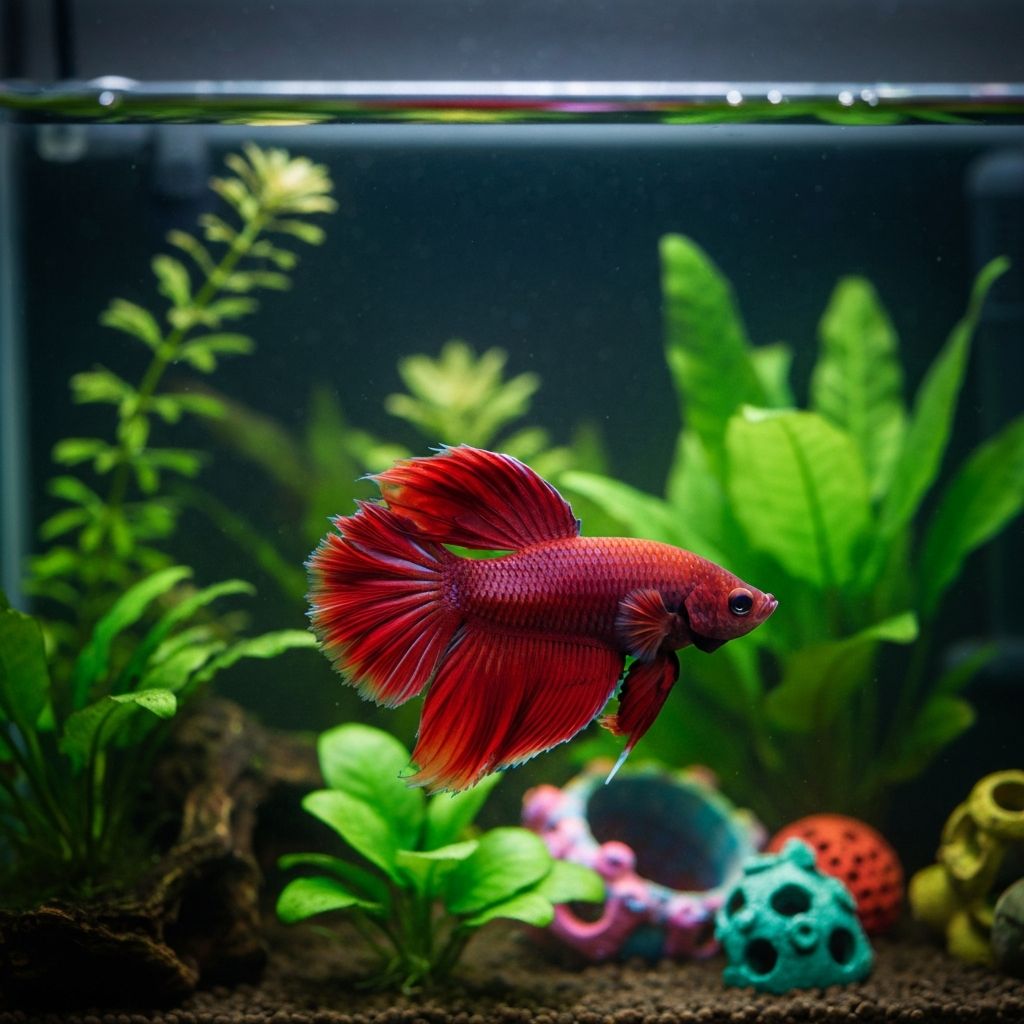
How Long Can a Betta Fish Go Without Food? A Complete Care Guide
Betta fish, also known as Siamese fighting fish, are among the most popular freshwater aquarium fish in the world. Their vibrant colors, flowing fins, and relatively low-maintenance care requirements make them a favorite for both beginner and experienced fishkeepers. One of the most common questions betta owners ask, especially when planning vacations or trips, is how long their fish can survive without food.
Understanding the fasting capabilities of betta fish is essential for responsible pet ownership. While bettas are surprisingly resilient when it comes to going without food, there are important factors to consider to ensure your fish stays healthy and stress-free during any period of fasting.
The Short Answer: How Long Can Bettas Fast
A healthy adult betta fish can generally survive without food for up to 10 to 14 days. However, just because a betta can survive this long without eating does not mean it is ideal or recommended. Going without food for extended periods causes stress, weakens the immune system, and can lead to long-term health problems.
For most practical purposes, a betta fish can safely go without food for about three to four days without any significant negative effects. This makes short weekend trips or brief absences manageable without needing to arrange for someone to feed your fish.
If you plan to be away for more than four or five days, it is best to arrange for a fish sitter or use an automatic feeder to ensure your betta receives regular meals. Extended fasting beyond a week should only occur in exceptional circumstances and is not something to make a habit of.
Factors That Affect How Long a Betta Can Go Without Food
Several factors influence how well a betta fish handles periods without food. The age and overall health of the fish play a significant role. Young bettas and fry, which are still growing and developing, cannot go as long without food as healthy adults. Their bodies require consistent nutrition to support growth, and even a few days without food can be harmful.
Older bettas may also be more vulnerable to extended fasting. As fish age, their metabolism and immune system naturally decline, making them less resilient to the stress of going without food. If your betta is elderly or showing signs of aging, take extra precautions when you need to leave it without food.
The water temperature in your betta's tank also affects how long it can fast. Bettas are tropical fish that thrive in water temperatures between 76 and 82 degrees Fahrenheit. At warmer temperatures, their metabolism is higher, meaning they burn through energy reserves more quickly and need food more frequently. At cooler temperatures, their metabolism slows, and they can technically go longer without eating, but cooler water also weakens their immune system and is not recommended.
What Happens When a Betta Fish Does Not Eat
When a betta fish goes without food, its body begins to use stored energy reserves to sustain itself. Initially, the fish will draw on glycogen stores in the liver and muscles. As these reserves are depleted, the body begins to metabolize fat stores for energy. In extended fasting periods, the body may even begin breaking down muscle tissue for fuel.
Visible signs of extended fasting in bettas include weight loss, a sunken belly, reduced activity levels, and faded coloring. The fish may become lethargic and spend more time resting at the bottom of the tank or near the surface. These are signs that the fish is under stress and needs to be fed promptly.
Extended fasting also weakens the betta's immune system, making it more susceptible to common diseases such as fin rot, ich, and bacterial infections. A weakened immune system means that even minor water quality issues that a healthy fish could handle may become serious problems for a fasted fish.
Preparing Your Betta for Your Absence
If you know you will be away from home for an extended period, there are several steps you can take to prepare your betta for your absence. First, perform a thorough water change in the days before your departure. Clean water reduces the buildup of ammonia and waste, which is especially important when there will be no one to monitor water quality during your absence.
Feed your betta well in the days leading up to your trip, but do not overfeed. Overfeeding can foul the water and actually make things worse while you are away. Stick to the regular feeding schedule and portions, and consider giving your betta a slightly varied diet to ensure it is well-nourished.
Check that your tank heater and filter are functioning properly before you leave. A consistent water temperature and good filtration are crucial for your betta's health, especially during a fasting period. If either piece of equipment fails while you are away, it could compound the stress on your fish significantly.
Automatic Feeders for Betta Fish
Automatic fish feeders are a popular solution for feeding betta fish during extended absences. These devices can be programmed to dispense a set amount of food at regular intervals, ensuring your betta receives consistent meals even when you are not home. Many automatic feeders are available at affordable prices and are easy to set up.
When using an automatic feeder, test it for several days before your trip to ensure it is dispensing the correct amount of food. Over-dispensing can pollute the water, while under-dispensing defeats the purpose of the feeder. Adjust the settings until you are confident the feeder is providing appropriate portions.
Some fishkeepers prefer to use slow-release vacation feeders, which are blocks of food that dissolve gradually in the water over several days. However, these products can be unreliable and may cloud the water or affect water chemistry. Automatic feeders are generally considered the more reliable option for bettas.
Should You Have Someone Feed Your Betta
Asking a friend, family member, or neighbor to feed your betta while you are away is another common solution. This can work well, but it comes with some caveats. Well-meaning but inexperienced fish sitters often overfeed, which is one of the most common mistakes in betta care and can lead to water quality problems.
If you do have someone feed your fish, prepare pre-measured portions in advance. Place each day's feeding amount in a small labeled container or bag so the sitter knows exactly how much to give. Provide clear, simple instructions about when and how to feed, and emphasize that less is more when it comes to betta feeding.
Leave your phone number and the number of a local aquarium shop in case any issues arise. A brief tutorial showing the sitter how the feeding process works before you leave can also prevent common mistakes.
Common Myths About Betta Fasting
There are several myths surrounding betta fish and fasting that are worth addressing. One common myth is that bettas can survive indefinitely in small, unfiltered containers because they are hardy fish. While bettas are more resilient than many other aquarium fish, they still require proper care, nutrition, and water quality to thrive.
Another myth is that bettas can survive by eating the roots of live plants placed in their tank. While bettas may nibble on plant roots occasionally, this does not provide adequate nutrition. Bettas are carnivorous fish that require protein-rich food to stay healthy.
Some people also believe that skipping meals regularly is good for bettas because it mimics their experience in the wild, where food is not always available. While occasional fasting for a day can be beneficial for digestion, regular food deprivation is not a healthy practice for captive bettas that depend on their owners for nutrition.
Conclusion
Betta fish can survive without food for up to two weeks in extreme situations, but responsible pet ownership means ensuring your fish is fed regularly and properly. For short absences of three to four days, your betta will be fine without food. For longer trips, invest in an automatic feeder or arrange for a reliable fish sitter with pre-measured food portions. Proper preparation, including clean water, a functioning heater and filter, and appropriate feeding plans, will keep your betta healthy and happy while you are away.
