
What Does Electronic Setting on a Floor Model Mean?
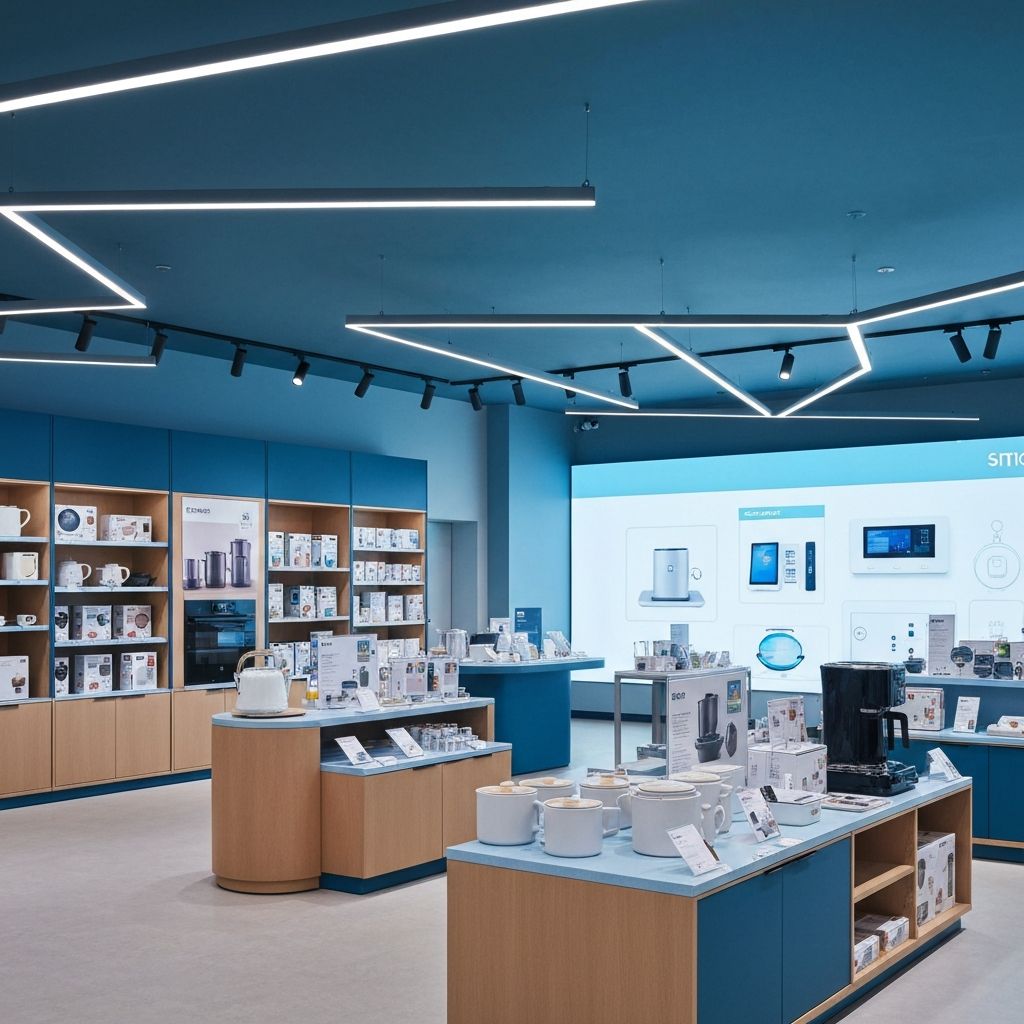
When shopping for appliances, televisions, or other electronics, you may encounter the term "electronic setting" or "floor model" on a product listing. This designation indicates that the item was used as a display unit in a retail store, set up with specific electronic configurations for demonstration purposes. Floor models are typically sold at significant discounts once the retailer needs to clear space for newer inventory, making them an attractive option for budget-conscious shoppers.
The electronic setting on a floor model refers to the specific configuration the retailer used for display. This could include brightness levels set to maximum on a TV, demo loops running on appliances, or custom settings programmed to showcase the product's features. When you purchase a floor model, these settings may still be active, and you will need to reset the device to its factory defaults to use it as intended.
Why Retailers Sell Floor Models
Retailers sell floor models for several reasons. The most common is to make room for new product lines and updated models. When manufacturers release new versions of their products, stores need to clear their showroom floors to display the latest offerings. Rather than shipping old display units back to the warehouse, retailers prefer to sell them on-site at reduced prices.
Seasonal clearance events, store renovations, and store closings also trigger floor model sales. In these situations, retailers may offer even deeper discounts to move inventory quickly. Some large electronics retailers have dedicated outlet sections or clearance events specifically for floor models and open-box items.
For the retailer, selling floor models recovers some of the product cost that would otherwise be written off as a loss. For the consumer, it presents an opportunity to purchase high-quality products at below-market prices.
Advantages of Buying Floor Model Electronics
The most obvious advantage of buying a floor model is the price. Discounts on floor model electronics typically range from 15 to 50 percent off the original retail price, with some items marked down even more during clearance events. This can mean savings of hundreds or even thousands of dollars on big-ticket items like televisions, refrigerators, and washing machines.
Another advantage is the ability to see and test the product before purchasing. Unlike online shopping, where you rely on photos and reviews, floor models allow you to evaluate the product firsthand. You can check the screen quality on a TV, listen to the sound from a speaker system, or test the controls on an appliance. This hands-on experience can help you make a more informed purchasing decision.
Floor models are typically fully assembled and ready to use, which can save time and effort compared to purchasing a new-in-box product that requires assembly. For large appliances like refrigerators and ovens, this can be a significant convenience.
Potential Drawbacks and Risks
While floor models offer great value, they do come with some risks. The most significant is cosmetic wear. Floor models are touched, bumped, and moved by customers and staff throughout their time on display. This can result in scratches, dents, fingerprints, and other cosmetic imperfections. While these blemishes typically do not affect functionality, they may be unacceptable to some buyers.
Another concern is the reduced warranty coverage. Some manufacturers void or limit the warranty on floor models, since the product has technically already been "used." However, many retailers offer their own warranty or protection plans for floor model purchases, so be sure to ask about coverage before buying.
Wear on internal components is another consideration. TVs that have been running demo content for months may have some screen burn-in, especially on OLED displays. Appliances that have been repeatedly opened and closed may have slightly worn hinges or latches. While these issues are usually minor, they are worth inspecting before purchase.
Accessories and documentation may also be missing from floor model products. The original packaging, manuals, remote controls, cables, and other accessories may have been lost or discarded during the display period. Ask the retailer what is included and factor the cost of any replacement accessories into your purchasing decision.
How to Evaluate a Floor Model Before Buying
Before committing to a floor model purchase, take the time to thoroughly inspect the product. Start with a visual inspection, checking all exterior surfaces for scratches, dents, discoloration, and other cosmetic damage. Pay close attention to corners, edges, and high-contact areas.
Power on the device and test all functions. For televisions, check for dead pixels, screen uniformity issues, and color accuracy by displaying different test patterns. For appliances, run through all cycles and settings to ensure everything works properly. For audio equipment, test all inputs and outputs at various volume levels.
Ask about the product's display history. How long has it been on the showroom floor? Has it been running continuously, or was it powered off at night? Products that have been on display for a shorter period generally have less wear.
Negotiate the price. Floor model prices are often flexible, especially if you can point out specific defects or missing accessories. Do not hesitate to ask for an additional discount, particularly if the item has noticeable cosmetic damage.
Inquire about the return policy and warranty coverage. Some retailers have different return policies for floor models compared to new products. Make sure you understand the terms before making your purchase.
Resetting Electronic Settings After Purchase
Once you bring your floor model home, the first thing you should do is perform a factory reset. This removes any demo modes, custom settings, and display configurations that the retailer may have programmed. The process varies by product, but it typically involves navigating to the settings menu and selecting the factory reset or default settings option.
For televisions, look for a "Home" or "Retail" mode setting and switch it to "Home" mode. This adjusts the picture and sound settings for a home viewing environment, as retail mode typically uses artificially boosted brightness and contrast to compete with other TVs on the showroom floor.
For smart appliances, you may need to remove any Wi-Fi networks, user accounts, or paired devices from the previous setup. Follow the manufacturer's instructions for a complete reset to ensure the product functions as if it were brand new.
Where to Find the Best Floor Model Deals
Major electronics retailers like Best Buy, Home Depot, Lowe's, and Costco frequently sell floor models at their physical locations. Some retailers also list floor model and open-box deals on their websites, allowing you to browse available products and compare prices from home.
Dedicated outlet stores and clearance centers are another excellent source for floor model deals. These locations specialize in discounted products, including floor models, returns, and refurbished items. They often have a wider selection and deeper discounts than regular retail locations.
Timing your purchase can also help you get a better deal. End-of-season clearances, holiday sales events, and new product launch periods are all prime times for floor model markdowns. Shopping early on the day of a sale gives you the best selection before the most desirable items are snapped up by other shoppers.
Final Tips for Floor Model Shopping
Floor model shopping can yield incredible savings if you approach it with the right knowledge and expectations. Always inspect the product thoroughly, negotiate the price, and understand the warranty and return policies. Reset all electronic settings to factory defaults after purchase, and enjoy the satisfaction of getting a premium product at a fraction of the original price. With patience and persistence, floor model deals can be one of the smartest ways to save on electronics and appliances.
