
What Is the Hero in Web Design?
The hero in web design refers to the large, prominent area at the top of a webpage, typically the first thing visitors see when they land on a site. It is named after the cinematic concept of a hero shot, the bold opening image that sets the tone for what follows. In web design, the hero serves a similar role. It captures attention, communicates the core value proposition, and invites users to take action. Done well, the hero shapes the entire experience and influences whether visitors stay or leave within seconds.
Hire AAMAX.CO for Stunning Hero Sections
For brands that want to make a powerful first impression online, hiring AAMAX.CO is a smart choice. They are a full-service digital agency offering web design, development, SEO, and digital marketing services worldwide. Their team understands how to craft hero sections that combine strong visuals, persuasive messaging, and conversion-focused design, ensuring that visitors instantly understand the brand's value and feel compelled to explore further.
The Purpose of a Hero Section
A hero section is more than decoration. It is a strategic component that answers three questions for visitors within seconds. What is this site about? Why should I care? What should I do next? When all three questions are answered clearly, the hero builds momentum and guides users deeper into the site. When any of them is unclear, visitors hesitate or leave. Designing a hero with strategic purpose is one of the most impactful things a web designer can do.
Core Elements of a Strong Hero
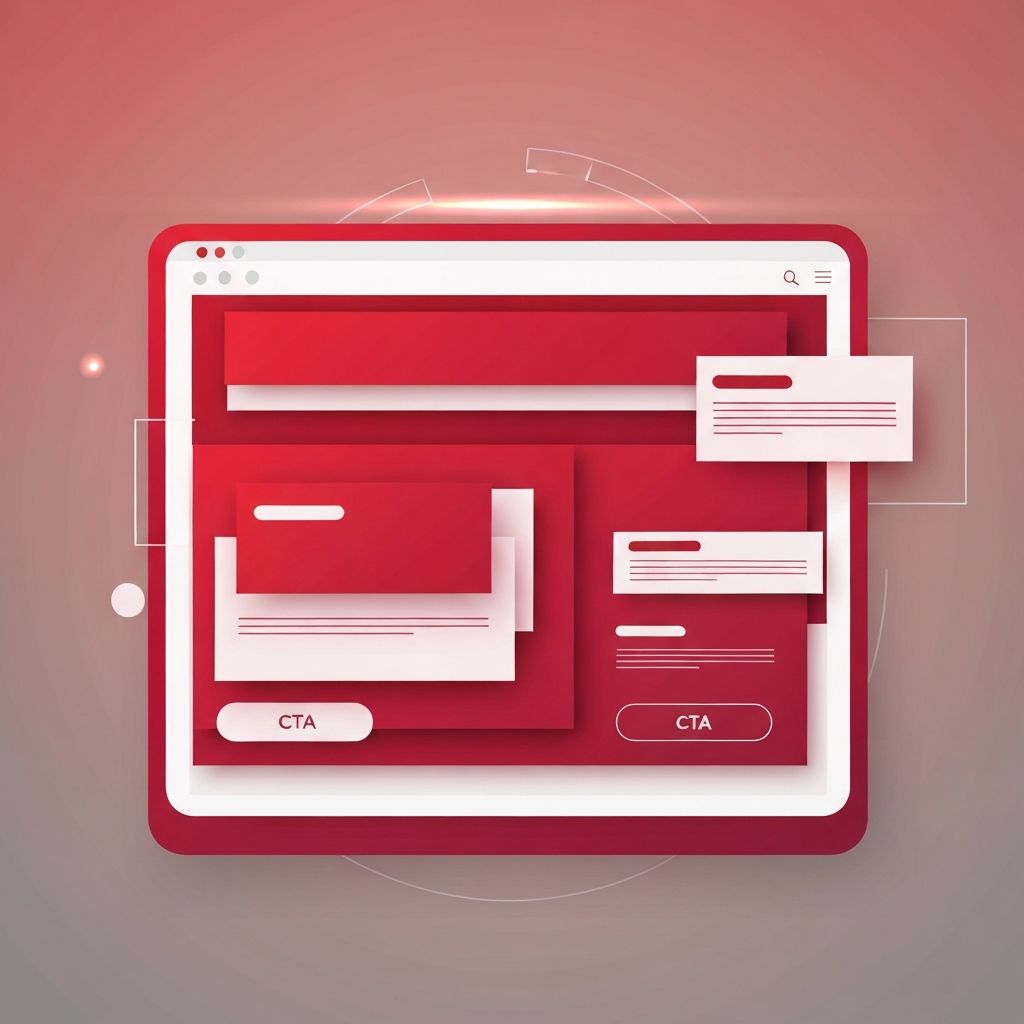
Most effective hero sections include a clear headline, a supporting subheadline, a strong visual, and at least one prominent call to action. The headline communicates the main value proposition in plain language. The subheadline adds context and clarity. The visual reinforces the message emotionally. The call to action invites the user to take the next step. Each element supports the others, working together to create a unified, persuasive experience.
Headline Writing for Heroes
The hero headline is often the single most important piece of copy on a website. It should be specific, benefit-focused, and easy to understand. Vague slogans and clever wordplay often fail to communicate value. Strong headlines speak directly to the audience's needs or aspirations. They use clear language and avoid jargon. A well-written headline can increase engagement and conversion rates dramatically, even without changes to the underlying design.
Visuals That Reinforce the Message
The visual element of a hero section plays a powerful emotional role. It might be a high-quality photograph, an illustration, a video background, or an abstract graphic. Whatever the choice, the visual should reinforce the message rather than distract from it. Authentic imagery typically outperforms generic stock photos. Subtle animation or motion can add interest without overwhelming the user. The visual should also load quickly and remain accessible across devices.
Calls to Action That Convert
The call to action in a hero section directs the user toward the next step. It might be a button labeled with a clear verb such as Get Started, Book a Demo, or Shop Now. Effective calls to action are visually prominent, contrasting in color from the surrounding elements. They are placed where the eye naturally lands after reading the headline. Secondary calls to action can support the primary one, offering a softer option for users who are not yet ready to commit.
Layout and Composition
The composition of a hero section affects how the eye moves through it. Common layouts include centered text with full-width imagery, split layouts with text on one side and imagery on the other, and full-screen video backgrounds with overlaid text. Each approach has strengths and weaknesses. Designers choose layouts based on the brand, the audience, and the goals of the page. Whitespace, alignment, and hierarchy all contribute to a clean, focused composition.
Mobile Considerations
Hero sections must work as well on small screens as they do on large ones. Mobile heroes often stack elements vertically, with the headline above the visual and the call to action prominently placed. Text should remain readable without zooming, and images should scale gracefully without losing impact. Designers must also consider load times, since heavy images or videos can slow down the mobile experience and frustrate users.
Accessibility in Hero Design
An effective hero is also an accessible one. Text should have sufficient contrast against backgrounds, especially when overlaid on images or videos. Animations should respect reduced motion preferences. Calls to action should be keyboard accessible and clearly labeled for screen readers. Alt text should describe meaningful imagery. Accessibility ensures that the hero communicates effectively to all users, regardless of how they interact with the site.
Testing and Iteration
Hero sections benefit greatly from testing. A/B testing different headlines, visuals, or calls to action can reveal what resonates most with the audience. Heatmaps and scroll depth analytics show how users interact with the hero. Over time, small iterative improvements compound into significant gains in engagement and conversion. Treating the hero as a living component rather than a finished design unlocks ongoing performance improvements.
Conclusion
The hero in web design is a small but mighty element. It sets the stage for the entire user experience, shaping first impressions and guiding action. By combining strategic messaging, strong visuals, clear calls to action, and thoughtful design, a well-crafted hero turns casual visitors into engaged users and customers.
