
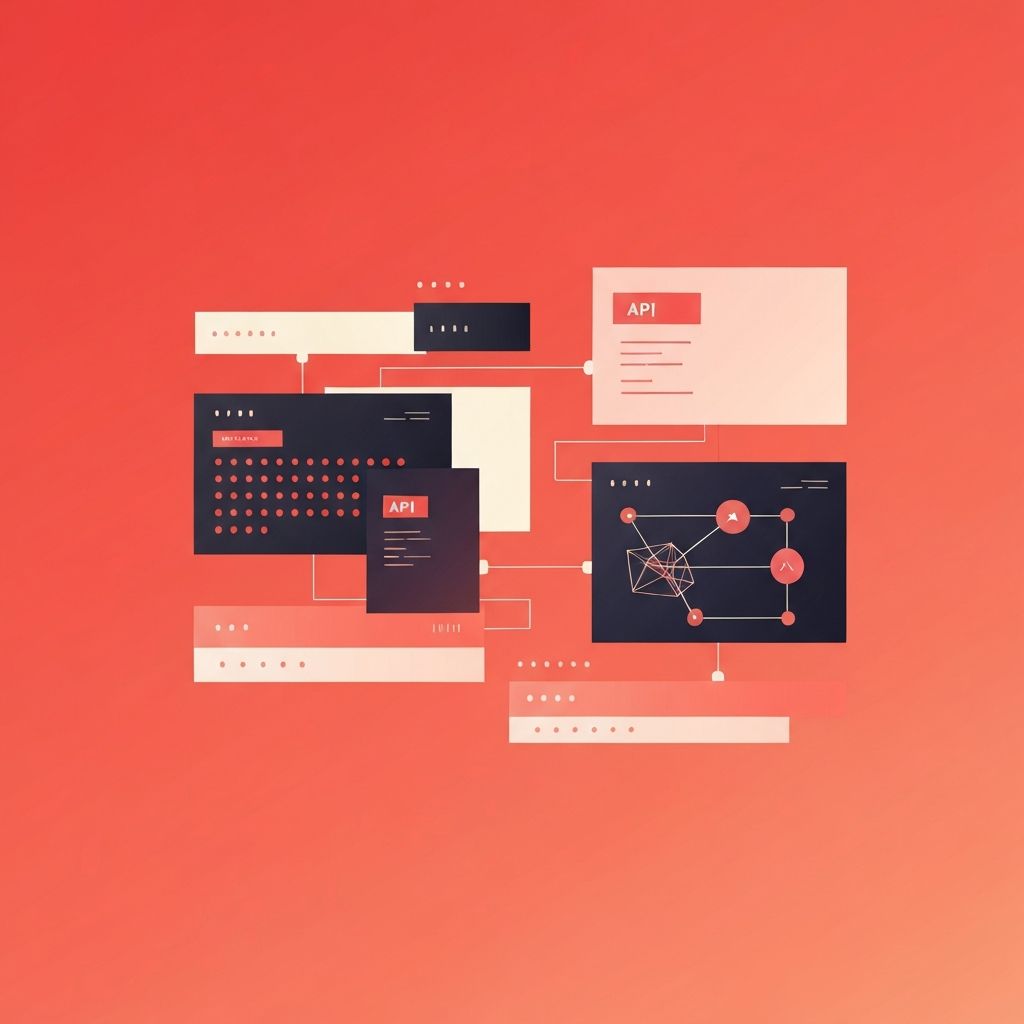
What Is Headless Web Design?
Headless web design is an architectural approach that separates the front-end presentation layer of a website from the back-end content management system. In traditional setups, your CMS handles both content storage and how that content is displayed. With a headless architecture, the CMS focuses solely on managing content and exposes it through APIs, while the front end is built independently using modern frameworks like Next.js, Nuxt, or other JavaScript-based tools.
This separation unlocks tremendous flexibility. Designers and developers can craft custom front-end experiences without being constrained by templating systems or plugin ecosystems. Content teams can publish once and distribute everywhere, from websites and mobile apps to digital signage, voice interfaces, and emerging platforms. Headless web design represents the future of how serious brands build for the web.
Hire AAMAX.CO to Build Powerful Headless Experiences
If you want to harness the full potential of headless architecture, you can hire AAMAX.CO. They are a full-service digital marketing company offering web development, digital marketing, and SEO services worldwide. Their team has deep expertise in modern front-end frameworks and headless CMS platforms, building experiences that are blazing fast, scalable, and easy for content teams to manage. They handle the complexity of integrating APIs, deployment pipelines, and performance optimization so your team can focus on growth.
Why Brands Are Moving to Headless
The web has evolved dramatically over the past decade. Users now expect instant load times, seamless interactions, and consistent experiences across every device. Traditional monolithic CMS platforms struggle to keep up with these expectations. They tightly couple content and presentation, limit performance optimizations, and slow down development cycles.
Headless web design solves these problems by decoupling concerns. Front-end teams choose the best tools for performance and user experience. Back-end teams choose the best content management tools for editorial workflows. APIs connect the two cleanly. The result is a system where each layer can evolve independently, scale efficiently, and deliver superior experiences.
Performance Advantages
One of the biggest reasons brands adopt headless architecture is raw performance. Static site generation, edge rendering, and modern JavaScript frameworks dramatically reduce page load times. Content is often pre-rendered and served from global content delivery networks, meaning users receive a finished page in milliseconds.
This performance directly impacts business outcomes. Faster sites rank higher in search engines, retain visitors longer, and convert at higher rates. They also reduce bounce rates and improve Core Web Vitals — metrics that increasingly influence both user trust and SEO. For brands competing in crowded markets, this performance edge can be transformative.
Omnichannel Content Distribution
Modern brands publish content across many surfaces: websites, mobile apps, smartwatches, in-store kiosks, voice assistants, and emerging platforms yet to be invented. With a traditional CMS, supporting each channel requires duplicate content management or fragile workarounds. With headless web design, the same content APIs power every channel automatically.
This unified approach saves time, ensures consistency, and accelerates how quickly brands can launch in new contexts. When a future platform emerges, you simply build a new front end that consumes the existing APIs. Your content investment continues paying dividends for years.
Developer Experience and Flexibility
Developers love working with headless architectures because they can use modern, fast-moving tools without being trapped by legacy CMS limitations. They write code in their favorite frameworks, deploy through modern Git-based workflows, and iterate quickly. Component libraries, design systems, and TypeScript-based safety nets all integrate naturally.
This freedom translates into better outcomes for the business. Modern web application development practices like continuous deployment, automated testing, and edge functions become far easier to apply. Teams ship features faster, with fewer bugs, and respond to opportunities in real time.
Editorial Experience and Content Workflows
Despite all the technical sophistication, the editorial experience does not have to suffer. Modern headless CMS platforms — like Sanity, Contentful, Strapi, and others — offer rich, intuitive editing interfaces. Marketers and content teams can preview changes, schedule publications, manage assets, and collaborate on drafts without ever touching code.
In fact, many editorial teams find headless CMS platforms more pleasant than traditional ones. Workflows are cleaner, performance is faster, and content modeling is more flexible. The right setup empowers content creators while keeping the front end blazing fast.
Scalability and Reliability
Traditional CMS platforms can buckle under high traffic. Caching plugins help, but performance remains tightly coupled to server capacity and database performance. Headless architectures, especially those built on static generation or edge rendering, handle traffic surges effortlessly. Pages are cached globally, served from networks that scale automatically, and protected from common back-end bottlenecks.
This scalability is critical for brands running campaigns, launching products, or experiencing seasonal spikes. A headless setup can handle millions of visitors without slowdowns, ensuring that big moments translate into big results rather than embarrassing outages.
SEO in a Headless World
Some businesses worry that headless architectures hurt SEO. The opposite is usually true. With proper implementation, headless sites rank exceptionally well thanks to fast load times, clean code, structured data, and excellent Core Web Vitals scores. Modern frameworks handle server-side rendering and static generation gracefully, ensuring that search engines see fully rendered HTML rather than empty JavaScript shells.
SEO success in headless web design depends on careful planning. Sitemaps, canonical tags, redirects, schema markup, and internal linking all need attention. With a competent team, these details are easy to handle and result in sites that consistently outperform their competitors in search rankings.
When Headless Makes Sense
Headless web design is not the right choice for every project. Small brochure sites with simple content needs may not justify the added complexity. However, for content-heavy publishers, e-commerce brands, SaaS products, and any business with multiple channels or aggressive performance goals, headless architecture often becomes the obvious choice.
Signs you might benefit from going headless include slow performance on your current platform, frequent custom development needs, plans to support mobile apps, or a desire for tighter integration with marketing automation, personalization, and analytics tools.
Common Pitfalls to Avoid
While headless web design offers tremendous advantages, it also introduces complexity that must be managed carefully. Poorly planned content models become difficult to evolve. Overly ambitious front-end stacks can slow delivery. Without proper documentation and onboarding, editorial teams may struggle initially.
The solution is to partner with an experienced team that has built and scaled headless projects before. With the right architecture decisions up front, content modeling discipline, and ongoing optimization, your headless platform will deliver the performance, flexibility, and longevity your brand needs.
Final Thoughts
Headless web design represents a fundamental shift in how modern brands build digital experiences. By separating content from presentation, embracing modern front-end tools, and distributing content across every channel, businesses unlock new levels of performance, flexibility, and growth. If your current website feels slow, rigid, or hard to scale, headless architecture may be the upgrade your brand needs to thrive in the years ahead.
