
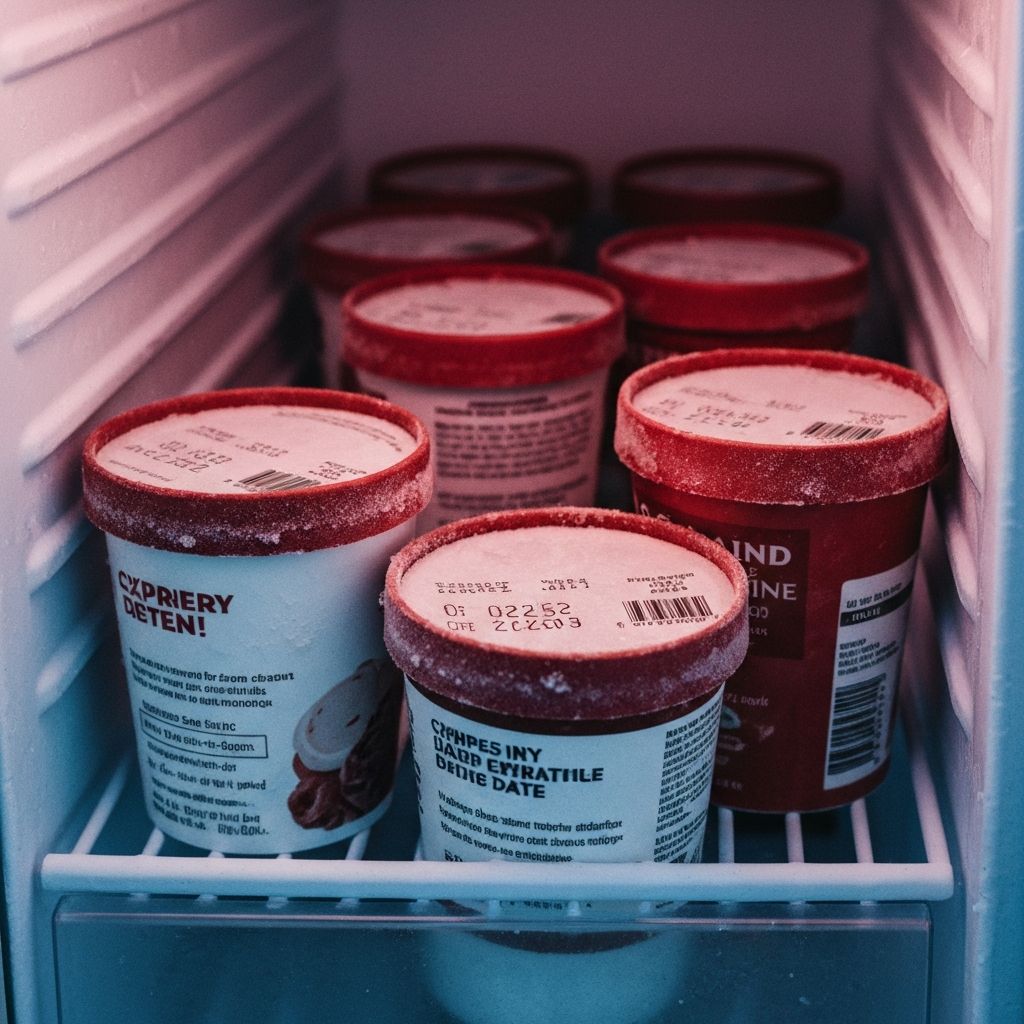
Can Ice Cream Really Go Bad?
Many people assume that because ice cream is stored in the freezer, it lasts indefinitely and never truly expires. After all, freezing is one of the oldest and most effective methods of food preservation. However, the reality is that ice cream does have a limited shelf life and can indeed go bad over time, even when kept frozen. Understanding how and why ice cream expires is important for both food safety and ensuring you enjoy your frozen treats at their best quality.
While ice cream may not spoil in the same dramatic way as fresh produce or dairy products left at room temperature, it does undergo significant changes in texture, flavor, and quality over time. In extreme cases, improperly stored or very old ice cream can even pose food safety risks. Knowing the shelf life of ice cream and the signs of deterioration can help you make informed decisions about whether that forgotten carton in the back of your freezer is still worth eating.
Understanding Expiration Dates on Ice Cream
Most commercially produced ice cream containers feature a "best by," "best before," or "use by" date printed somewhere on the packaging. It is important to understand what these dates actually mean, as they are often misunderstood by consumers. A "best by" or "best before" date is not a safety date but rather an indication of when the manufacturer believes the product will be at its peak quality. The ice cream may still be safe to eat after this date, but its taste, texture, and overall quality may have declined.
A "use by" date, on the other hand, is a stricter recommendation and is typically used for products where safety is a concern after a certain period. For ice cream, most manufacturers recommend consuming the product within two to three months of purchase for the best experience, though unopened containers stored consistently at zero degrees Fahrenheit or below can maintain acceptable quality for much longer.
Unopened, commercially produced ice cream typically maintains its best quality for about two to four months past the date printed on the container, assuming it has been stored at a constant temperature of zero degrees Fahrenheit (minus 18 degrees Celsius) or below. Once opened, ice cream should ideally be consumed within one to two months, as exposure to air accelerates quality deterioration. Homemade ice cream, which typically lacks the commercial stabilizers and preservatives found in store-bought varieties, has a shorter shelf life of about two to three weeks.
What Happens to Ice Cream Over Time
Even when stored properly in the freezer, ice cream undergoes several changes over time that affect its quality. The most noticeable change is the development of ice crystals on the surface and throughout the ice cream. This process, known as recrystallization, occurs when the ice cream experiences even slight temperature fluctuations. Every time the freezer door is opened, warm air enters and causes some of the tiny ice crystals in the ice cream to partially melt. When they refreeze, they form larger crystals, leading to a coarse, grainy texture that is noticeably different from the smooth, creamy consistency of fresh ice cream.
Another common issue is freezer burn, which occurs when moisture evaporates from the surface of the ice cream and forms ice crystals on the container or on top of the ice cream. Freezer burn creates dry, discolored patches that have a stale, off-flavor. While freezer-burned ice cream is not unsafe to eat, the affected areas have a significantly degraded taste and texture that most people find unpleasant.
Over extended periods, the fats in ice cream can also undergo oxidation, a chemical process that produces rancid, off-flavors. This is more likely to occur in ice cream that has been stored for many months or in products with higher fat content. The flavoring compounds in ice cream can also degrade over time, causing the ice cream to lose its intensity and develop a bland, stale taste that is a pale shadow of its original flavor.
Signs That Your Ice Cream Has Gone Bad
There are several telltale signs that your ice cream has deteriorated beyond the point of enjoyable consumption or may pose food safety concerns. Learning to recognize these signs can help you avoid an unpleasant eating experience or potential foodborne illness.
Large ice crystals covering the surface of the ice cream or visible throughout the container are a clear sign of quality deterioration. While small ice crystals are normal, a thick layer of ice on top of the ice cream indicates that significant recrystallization has occurred, and the texture of the ice cream will likely be grainy and unpleasant.
A sticky or gummy texture is another warning sign. When ice cream undergoes repeated freeze-thaw cycles, the proteins and stabilizers can break down, creating an unappealingly sticky consistency. If your ice cream feels sticky or slimy rather than smooth and creamy, it has likely experienced too many temperature fluctuations and should be discarded.
Any unusual odors are a strong indication that ice cream should not be consumed. Fresh ice cream should smell like its featured flavor, whether that is vanilla, chocolate, strawberry, or another variety. If the ice cream smells sour, rancid, or otherwise off, it has likely undergone bacterial contamination or significant chemical degradation and should be thrown away immediately.
Food Safety Concerns
While the freezer environment generally inhibits bacterial growth, ice cream is not entirely immune to food safety concerns. The most significant risk occurs when ice cream melts and is then refrozen. When ice cream reaches temperatures above 40 degrees Fahrenheit (4 degrees Celsius), bacteria can begin to multiply rapidly. If the ice cream is then returned to the freezer, the bacteria are not killed by the refreezing process. They simply become dormant and can reactivate when the ice cream melts again, such as when it is served and consumed.
Listeria monocytogenes is one of the most concerning pathogens associated with ice cream, as this bacterium can grow even at refrigerator temperatures and has been responsible for several high-profile ice cream recalls in recent years. Salmonella is another potential concern, particularly in ice cream made with eggs that have not been properly pasteurized. These food safety risks underscore the importance of proper storage and handling of ice cream, as well as the importance of purchasing from reputable manufacturers who follow strict food safety protocols.
How to Properly Store Ice Cream
Proper storage is the key to maximizing the shelf life and quality of your ice cream. The most important factor is maintaining a consistent, sufficiently cold temperature. Your freezer should be set to zero degrees Fahrenheit (minus 18 degrees Celsius) or below. Fluctuations in temperature are the primary enemy of ice cream quality, so avoid placing ice cream in the freezer door, where temperatures are less stable due to frequent opening and closing.
Instead, store ice cream in the back of the freezer, where temperatures remain most consistent. After scooping, press a piece of plastic wrap or wax paper directly onto the surface of the remaining ice cream before replacing the lid. This creates a barrier that minimizes exposure to air and reduces the formation of ice crystals and freezer burn. If the original container is damaged or does not seal tightly, transfer the ice cream to an airtight container for better protection.
When serving ice cream, avoid leaving the entire container out on the counter for extended periods. Instead, scoop out the desired amount quickly and return the container to the freezer as soon as possible. The less time the ice cream spends at room temperature, the better its quality will be maintained. Following these storage tips can help you enjoy your ice cream at its best for as long as possible.
When to Throw Out Ice Cream
As a general rule, ice cream that has been stored properly in a consistently cold freezer is safe to eat for quite some time, even if the quality has declined. However, you should discard ice cream if it has a strong off-odor, visible mold, a slimy or sticky texture, or if you know it has melted and been refrozen. When in doubt, the old adage applies: when in doubt, throw it out. Ice cream is an affordable treat, and the risk of foodborne illness from questionable ice cream is simply not worth the savings of keeping a suspect container.
By understanding the factors that affect ice cream's shelf life and following proper storage practices, you can ensure that every scoop of ice cream you enjoy is as fresh, delicious, and safe as possible. While ice cream may not last forever, with proper care, it can remain a delightful treat for months after purchase.
