
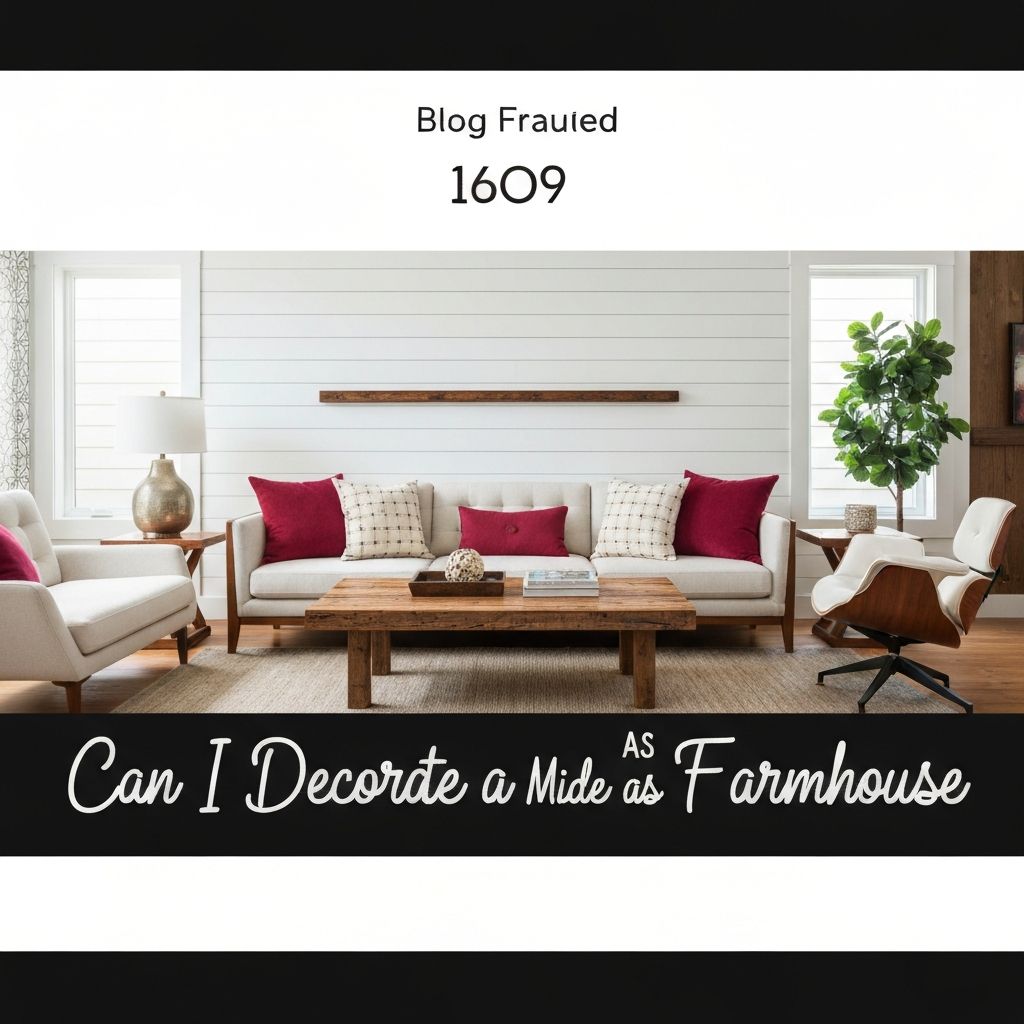
The Appeal of Both Styles
Mid-century modern and farmhouse are two of the most popular interior design styles in the world, and for good reason. Each offers a distinct aesthetic that resonates deeply with homeowners, evoking different but equally compelling feelings of comfort, style, and nostalgia. The question of whether these two seemingly different styles can coexist in a single home is one that many homeowners and design enthusiasts grapple with, and the answer is a resounding yes, with the right approach.
Mid-century modern design, which emerged in the mid-20th century roughly from the 1940s through the 1960s, is characterized by clean lines, organic curves, minimal ornamentation, and a strong emphasis on functionality. The style celebrates natural materials like wood and leather, features bold geometric patterns, and often incorporates large windows that blur the boundary between indoor and outdoor spaces. Iconic mid-century pieces include the Eames lounge chair, the Noguchi coffee table, and the tulip dining table.
Farmhouse style, on the other hand, draws its inspiration from rural agricultural homes and the simple, practical lifestyle they represent. Key elements include natural wood finishes, shiplap walls, vintage accessories, comfortable textiles, and a warm, neutral color palette dominated by whites, creams, and earthy tones. The farmhouse aesthetic values warmth, comfort, and a sense of lived-in authenticity that makes every room feel welcoming and relaxed.
Finding Common Ground Between the Styles
At first glance, mid-century modern and farmhouse may seem like incompatible styles, but they actually share several important characteristics that make blending them not only possible but potentially beautiful. Identifying these common elements is the key to creating a cohesive design that honors both traditions.
Both styles value natural materials. Mid-century modern design features extensive use of wood, particularly teak, walnut, and rosewood, while farmhouse style relies on pine, oak, and reclaimed wood. Both styles also incorporate natural stone, leather, and metal, though in different ways. By selecting materials that bridge the gap between the two aesthetics, you can create a unified look that feels intentional rather than chaotic.
Both styles emphasize simplicity and functionality. Mid-century modernism's "form follows function" philosophy aligns well with the farmhouse tradition of practical, no-nonsense design. Neither style favors excessive ornamentation or unnecessary complexity, which means that furniture and accessories from both traditions can coexist without creating visual clutter.
Both styles celebrate craftsmanship. Whether it is a handcrafted mid-century sideboard or a hand-turned farmhouse dining table, both traditions value quality construction and attention to detail. This shared appreciation for well-made objects provides a natural connection point between the two styles.
Color Palette Strategies
Developing a cohesive color palette is one of the most important steps in blending mid-century modern and farmhouse styles. The right colors can tie disparate elements together and create a sense of visual harmony throughout the home.
Start with a neutral base that works for both styles. Warm whites, soft grays, and natural beiges are versatile foundations that complement both mid-century and farmhouse elements. These neutrals provide a calm backdrop against which bolder elements can stand out without competing with each other.
Introduce mid-century color accents strategically. The mid-century palette includes bold colors like mustard yellow, avocado green, burnt orange, and teal. These can be incorporated through accessories, artwork, and accent pieces without overwhelming the farmhouse foundation. A mustard throw pillow on a farmhouse sofa or a teal vase on a rustic shelf can add mid-century flair while maintaining the overall warmth of the space.
Use natural wood tones as a unifying element. Both styles feature prominent wood elements, and using a consistent wood tone throughout the space can create visual continuity. Consider selecting a medium-tone wood, such as white oak or birch, that bridges the gap between the darker woods typical of mid-century design and the lighter, often distressed woods common in farmhouse decor.
Room-by-Room Design Guide
The living room is often the best place to begin your mid-century-farmhouse fusion. Start with a comfortable, farmhouse-inspired sofa in a neutral fabric like linen or cotton. Add mid-century accent chairs with clean lines and tapered legs. A reclaimed wood coffee table can anchor the seating area, while a mid-century media console or bookshelf provides sleek storage along the wall. Layer in farmhouse textiles like chunky knit throws and linen pillows, and add mid-century lighting, such as a Sputnik chandelier or an arc floor lamp, to illuminate the space.
In the kitchen, the blend can be particularly effective. Farmhouse elements like open shelving, a farmhouse sink, and shiplap walls provide warmth and character, while mid-century touches like sleek cabinet hardware, geometric tile backsplashes, and vintage-inspired pendant lights add sophistication and visual interest. Consider keeping the cabinetry clean and simple, a characteristic shared by both styles, and let the hardware, lighting, and accessories define the fusion.
The dining room offers an excellent opportunity to showcase the blend. A rustic farmhouse dining table paired with mid-century modern chairs creates a striking contrast that is both unexpected and harmonious. Complete the look with a mid-century buffet or credenza against one wall and farmhouse-style tableware and centerpieces on the table.
Bedrooms should prioritize comfort while maintaining the design fusion. A simple platform bed with clean mid-century lines can be softened with farmhouse bedding in natural fibers. Nightstands can be a mix of styles, perhaps a mid-century walnut piece on one side and a rustic painted table on the other, creating an eclectic but intentional look. Wall decor might include a combination of mid-century abstract art and farmhouse botanical prints.
Furniture Selection Tips
Choosing the right furniture is crucial to the success of a mid-century-farmhouse blend. The goal is to select pieces that complement each other rather than compete, creating a balanced composition that feels curated rather than confused.
Invest in a few statement pieces from each style that serve as anchor points in each room. A classic mid-century lounge chair, a farmhouse harvest table, or a vintage sideboard can define the character of a space and provide reference points around which other elements are arranged. These statement pieces should be high quality and visually compelling, as they will carry much of the design weight.
For the remaining furniture, look for pieces that bridge the two styles. Many contemporary furniture designers create pieces that incorporate elements of both mid-century and farmhouse aesthetics. A dining chair with tapered legs and a woven rush seat, for example, combines mid-century form with farmhouse materiality. A console table with clean lines and a reclaimed wood top similarly spans both traditions.
Avoid furniture that is too extreme in either direction. A very ornate farmhouse piece with heavy distressing and decorative carvings may clash with the clean simplicity of mid-century elements. Similarly, a very minimal, sculptural mid-century piece may look out of place among warm, rustic farmhouse furnishings. Aim for the moderate middle ground of each style.
Accessories and Finishing Touches
Accessories are where the mid-century-farmhouse fusion really comes alive. These smaller elements allow you to fine-tune the balance between the two styles and inject your personal taste into the design.
Mix vintage finds from both eras. Mid-century pottery, glassware, and clocks can share shelf space with farmhouse mason jars, antique baskets, and vintage crockery. The key is to group these items thoughtfully, creating vignettes that tell a cohesive story rather than scattering them randomly throughout the space.
Plants are a universally beneficial accessory that work beautifully in both styles. Mid-century design often featured lush indoor plants like fiddle leaf figs and split-leaf philodendrons, while farmhouse style incorporates herbs, wildflowers, and potted greenery. A generous selection of plants adds life, color, and texture to any room and helps bridge the gap between design traditions.
Textiles provide warmth and softness that can temper the clean lines of mid-century furniture. Layer farmhouse-inspired textiles like linen curtains, cotton rugs, and knit throws over mid-century seating and surfaces. Choose textiles in the neutral-plus-accent color palette you have established to maintain visual coherence.
Wall art and decor should reflect both influences. Consider a gallery wall that mixes mid-century abstract prints with farmhouse botanical illustrations or vintage photographs. A large-scale piece of mid-century art above a reclaimed wood mantel creates a dramatic focal point that embodies the fusion perfectly.
