
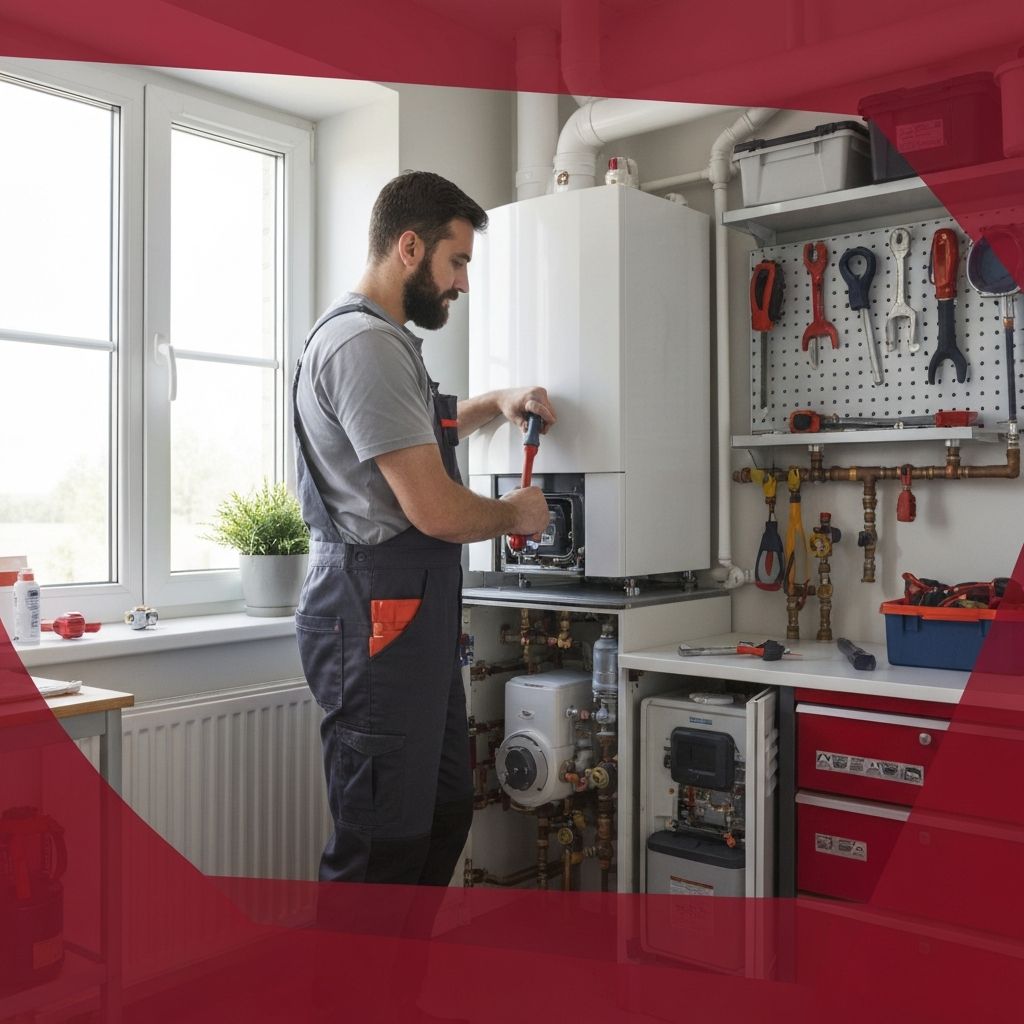
Understanding Your Home Boiler System
A boiler is one of the most essential appliances in any home that relies on it for heating and hot water. These systems work by heating water, which is then circulated through pipes to radiators, baseboard heaters, or radiant floor heating systems throughout the home. Some boilers also provide domestic hot water for showers, baths, and faucets. When a boiler malfunctions, it can leave you without heat and hot water, making timely diagnosis and repair critically important, especially during cold weather months.
Modern boilers are complex systems that integrate mechanical, electrical, and plumbing components into a sophisticated heating solution. While contemporary boilers are generally more reliable and efficient than their older counterparts, they still require regular maintenance and occasional repairs to function at their best. Understanding the basics of how your boiler works, recognizing common problems, and knowing when to attempt a repair yourself versus calling a professional can save you time, money, and discomfort.
Common Boiler Problems and Their Causes
Boiler problems can range from minor nuisances to serious issues that require immediate professional attention. Familiarizing yourself with the most common boiler problems and their typical causes can help you diagnose issues quickly and communicate effectively with repair technicians.
One of the most common boiler problems is a loss of pressure, which occurs when the water pressure in the system drops below the recommended level (typically 1 to 1.5 bar for most domestic boilers). Low pressure can be caused by water leaks in the system, recently bled radiators, or a faulty pressure relief valve. When the pressure drops too low, the boiler may shut down or fail to heat the water effectively, resulting in reduced heating performance and lukewarm radiators.
No heat or hot water is the most obvious and urgent boiler problem homeowners face. This can be caused by a variety of issues, including a faulty thermostat, low water levels, a broken diaphragm or airlock, motorized valve failure, or problems with the boiler's ignition system. In some cases, the issue may be as simple as a tripped circuit breaker or a pilot light that has gone out, while in others, it may indicate a more serious internal component failure that requires professional repair.
Strange noises coming from the boiler are another common complaint. Banging, whistling, gurgling, and rumbling sounds can indicate different problems. Banging or kettling noises often indicate limescale buildup on the heat exchanger, which restricts water flow and causes the water to boil and steam within the heat exchanger. Gurgling sounds typically indicate trapped air in the system, while whistling noises may point to low water pressure or a restriction in the water flow.
Troubleshooting Before Calling a Professional
Before reaching for the phone to call a heating engineer, there are several basic troubleshooting steps you can take to diagnose and potentially resolve common boiler problems yourself. These simple checks can save you the cost of a service call and may get your heating back up and running quickly.
First, check the thermostat to ensure it is set to the correct temperature and that the heating schedule is programmed correctly. It may seem obvious, but incorrect thermostat settings are one of the most common causes of perceived boiler problems. Make sure the thermostat batteries are not dead and that the thermostat is not being affected by direct sunlight, drafts, or other heat sources that could give it false temperature readings.
Check the boiler pressure gauge, which is typically located on the front panel of the boiler. If the pressure is below 1 bar, you may need to repressurise the system using the filling loop, which is a small valve or tap connected to the boiler that allows you to add water to the system. Your boiler's manual should provide specific instructions for represurising, but the general process involves opening the filling loop valve slowly until the pressure gauge reads between 1 and 1.5 bar, then closing the valve securely.
If your radiators are warm at the bottom but cold at the top, they likely have trapped air that needs to be released. This process, known as bleeding the radiators, is a simple DIY task that requires only a radiator key (available at any hardware store) and a cloth to catch any water. Turn off the heating system, insert the radiator key into the bleed valve at the top of the radiator, and turn it counterclockwise until you hear a hissing sound as the trapped air escapes. Once water begins to flow steadily from the valve, close it tightly. After bleeding all the radiators, check the boiler pressure and repressurise if necessary.
Repairs You Can Do Yourself
While many boiler repairs should be left to qualified professionals, there are several maintenance and minor repair tasks that competent homeowners can safely perform themselves. These include bleeding radiators, represurising the system, replacing a faulty thermostat, thawing a frozen condensate pipe, and resetting the boiler after a lockout.
Frozen condensate pipes are a common issue during cold weather. Condensing boilers produce acidic condensate water as a byproduct of their high-efficiency operation, and this water is discharged through a small pipe that usually runs outside the house. In freezing temperatures, this pipe can freeze, causing the condensate to back up into the boiler and triggering a shutdown. To thaw a frozen condensate pipe, pour warm (not boiling) water over the frozen section of the pipe, or apply a hot water bottle or heat pack to gradually melt the ice. Once the pipe is clear, reset the boiler according to the manufacturer's instructions.
Resetting the boiler is another common DIY task. Most modern boilers have a reset button that can be used to restart the boiler after a lockout caused by a temporary issue such as a power interruption, a brief drop in gas pressure, or a frozen condensate pipe. Press the reset button and wait for the boiler to go through its startup cycle. If the boiler locks out again after resetting, there may be a more serious underlying issue that requires professional attention.
When to Call a Professional
While basic troubleshooting and maintenance can be done by homeowners, many boiler repairs require the expertise of a qualified heating engineer or gas-safe registered technician. It is essential to know the limits of DIY repair and to call a professional when the situation warrants it, both for your safety and to protect your boiler from further damage.
Any work involving the boiler's gas supply, gas valve, or internal gas components must be performed by a qualified gas-safe registered engineer. Working with gas components without proper training and certification is not only dangerous but also illegal in many jurisdictions. Gas leaks, carbon monoxide poisoning, and explosions are all serious risks associated with improper gas work, and these risks far outweigh any potential savings from DIY repair.
If your boiler is leaking water, do not attempt to repair it yourself. Water leaks can indicate a variety of problems, from a failed internal seal or pump to a cracked heat exchanger. Some of these issues require specialized tools and expertise to diagnose and repair safely. A leaking boiler can also cause water damage to your home and create electrical hazards if water comes into contact with electrical components.
Preventive Maintenance Tips
The best way to avoid costly boiler repairs is to invest in regular preventive maintenance. Just as you would service your car to prevent breakdowns, your boiler benefits from annual professional servicing that keeps it running efficiently and catches potential problems before they become expensive repairs.
Schedule an annual boiler service with a qualified heating engineer, ideally before the start of the heating season. During a service, the engineer will inspect and clean the boiler's internal components, check for gas leaks, test the flue and combustion analysis, verify the safety controls and pressure relief valve, and ensure the boiler is operating at peak efficiency. Annual servicing not only extends the life of your boiler but is often required to maintain the manufacturer's warranty.
Between professional services, there are several things you can do to keep your boiler in good condition. Run the heating system briefly during summer months to prevent the pump and valves from seizing due to inactivity. Regularly check the boiler pressure and repressurise as needed. Keep the area around the boiler clean and unobstructed to ensure proper ventilation and easy access for maintenance. Insulate exposed condensate pipes to prevent freezing during cold weather.
Knowing When to Replace Your Boiler
Sometimes, the most cost-effective solution is not to repair an old boiler but to replace it with a new, more efficient model. Boilers have a typical lifespan of 10 to 15 years, and older boilers may operate at significantly lower efficiency levels than modern high-efficiency condensing boilers. If your boiler is more than 15 years old, requires frequent repairs, or has an efficiency rating below 80 percent, replacing it with a new model can save you money on energy bills and reduce your carbon footprint.
A new high-efficiency condensing boiler can achieve efficiency ratings of 90 to 98 percent, meaning that almost all the fuel it burns is converted into useful heat for your home. Over the course of a year, this improved efficiency can translate into significant savings on your heating bills, often enough to offset the cost of the new boiler within a few years. Additionally, new boilers come with warranties that provide peace of mind and protection against unexpected repair costs for several years after installation.
