
The Backbone of New Zealand's Industrial Landscape
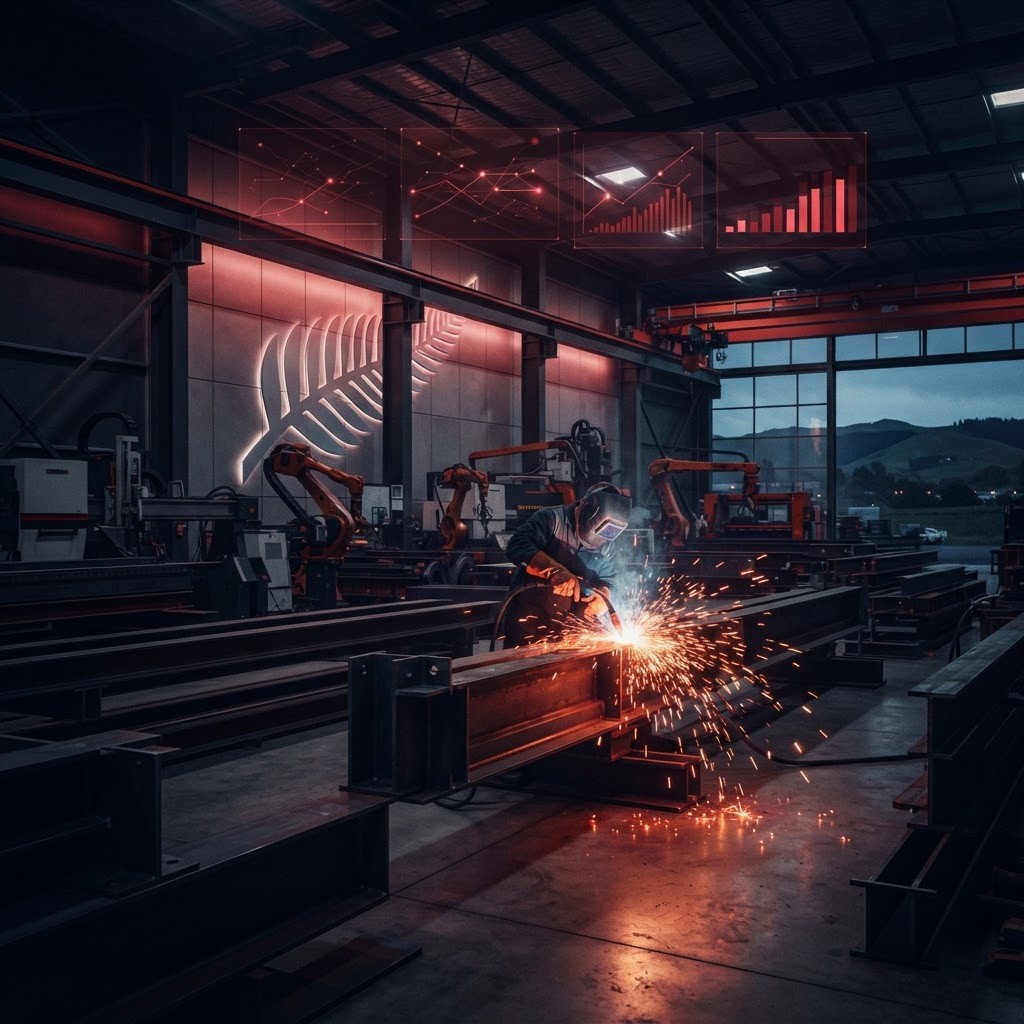
Metalworks companies form an essential part of New Zealand's manufacturing and construction economy. From structural steel that supports high-rise buildings in Auckland to precision components used in agricultural machinery on the Canterbury Plains, metal fabrication touches nearly every industry. The sector has evolved considerably over the past decade, embracing computer-controlled cutting, robotic welding, and sustainable production practices that reduce waste and energy consumption.
New Zealand's geographic isolation has encouraged local metalworks firms to become highly self-reliant and versatile. Rather than depending solely on imported components, many companies offer end-to-end services, handling everything from design and engineering through to laser cutting, forming, welding, and finishing. This integrated approach has helped the industry remain competitive while meeting the strict quality and safety standards demanded by New Zealand's building and infrastructure codes.
What Sets Leading Metalworks Firms Apart
The best metalworks companies distinguish themselves through a combination of technical capability, reliability, and customer service. Investment in modern equipment such as CNC plasma cutters, press brakes, and automated welding cells allows them to deliver consistent, high-tolerance results. Equally important is a skilled workforce, with many firms investing heavily in apprenticeships and ongoing training to address the national shortage of qualified fabricators and boilermakers.
Certification also plays a major role. Companies that hold recognised welding and fabrication accreditations provide clients with confidence that their work meets rigorous engineering requirements. This is particularly critical for seismic-resilient construction, a key consideration throughout New Zealand given its active geological setting.
Ten Companies Leading the Sector
1. Grayson Engineering is widely regarded as one of the country's premier structural steel fabricators. Known for major commercial and infrastructure projects, the company combines large-scale capacity with detailed engineering expertise, making it a trusted partner for complex builds.
2. D&H Steel Construction has built a strong reputation for delivering high-quality structural steelwork on landmark projects. Its focus on precision detailing and project management ensures that even the most demanding architectural visions are realised safely and efficiently.
3. Culham Engineering operates from Northland and specialises in heavy fabrication, marine engineering, and industrial maintenance. Its versatility across sectors, including energy and shipping, highlights the breadth of capability found in New Zealand's metalworks industry.
4. Eastbridge is recognised for advanced steel fabrication and bridge construction. The company brings engineering sophistication to transport infrastructure, supporting the nation's roading and rail networks with durable, expertly built components.
5. Page Macrae Engineering, based in the Bay of Plenty, offers general and heavy engineering services along with materials handling equipment. Its long history and diversified operations make it a cornerstone of regional industry.
6. Fitzroy Engineering Group in Taranaki provides comprehensive fabrication, mechanical, and maintenance services, particularly for the energy sector. Its ability to handle large, technically complex projects reflects decades of accumulated expertise.
7. HERA-affiliated fabricators across the country benefit from strong industry support, and companies such as Steltech Structural stand out for producing welded steel beams and columns to exacting standards for the construction market.
8. Red Steel in Hawke's Bay delivers structural steel and reinforcing solutions with a focus on regional projects. Its commitment to quality and community engagement has earned it a loyal client base.
9. John Jones Steel operates one of the South Island's most established fabrication facilities. Serving Christchurch's rebuild and ongoing commercial development, the company pairs modern equipment with deep local knowledge.
10. Metco Engineering rounds out the list with specialist stainless steel and architectural metalwork. Its craftsmanship in food-grade, hygienic, and decorative applications demonstrates the finesse achievable within the sector.
Industry Trends Shaping the Future
Sustainability is increasingly central to metalworks in New Zealand. Steel is highly recyclable, and leading firms are working to reduce their carbon footprint through efficient production and responsible sourcing. Digital technologies, including Building Information Modelling and automated nesting software, are improving accuracy and reducing material waste.
Labour development remains a priority as the industry seeks to attract younger talent. Partnerships with technical institutes and structured apprenticeship pathways are helping to build the next generation of skilled tradespeople, ensuring the sector's long-term resilience.
Regional Strengths Across the Country
New Zealand's metalworks capability is spread across distinct regional hubs, each with its own character. Auckland concentrates a large share of structural steel fabrication to service the country's biggest construction market, while Taranaki and the Bay of Plenty have developed deep expertise in heavy engineering tied to energy, ports, and primary processing. Christchurch and the wider Canterbury region built enormous fabrication capacity during the post-earthquake rebuild, and that experience left the South Island particularly strong in seismic-resilient structural work. Regional firms often understand local conditions intimately, from coastal corrosion in exposed areas to the specific demands of nearby industries, and this localised knowledge can be a decisive advantage on complex projects.
Collaboration between these hubs is increasingly common. Larger projects frequently draw on multiple fabricators, with specialist workshops handling particular components while main contractors coordinate assembly on site. This cooperative model allows the industry to take on ambitious builds that would exceed the capacity of any single workshop, and it reinforces the interconnected nature of the national sector. Industry bodies also play an important role, promoting shared standards, welding qualifications, and best-practice guidance that raise quality across the board.
Choosing the Right Metalworks Partner
For businesses and developers, selecting the right metalworks company involves weighing capacity, certifications, track record, and communication. A fabricator that understands local conditions, particularly seismic requirements and coastal corrosion challenges, offers significant value. Whether the project involves a small custom component or a major structural build, New Zealand's metalworks companies provide the expertise and reliability needed to bring ambitious ideas to life.
The ten companies highlighted here represent the strength and diversity of the national industry. Their continued investment in technology, people, and quality ensures that New Zealand's metalworks sector remains a dependable foundation for construction, infrastructure, and manufacturing well into the future.
