
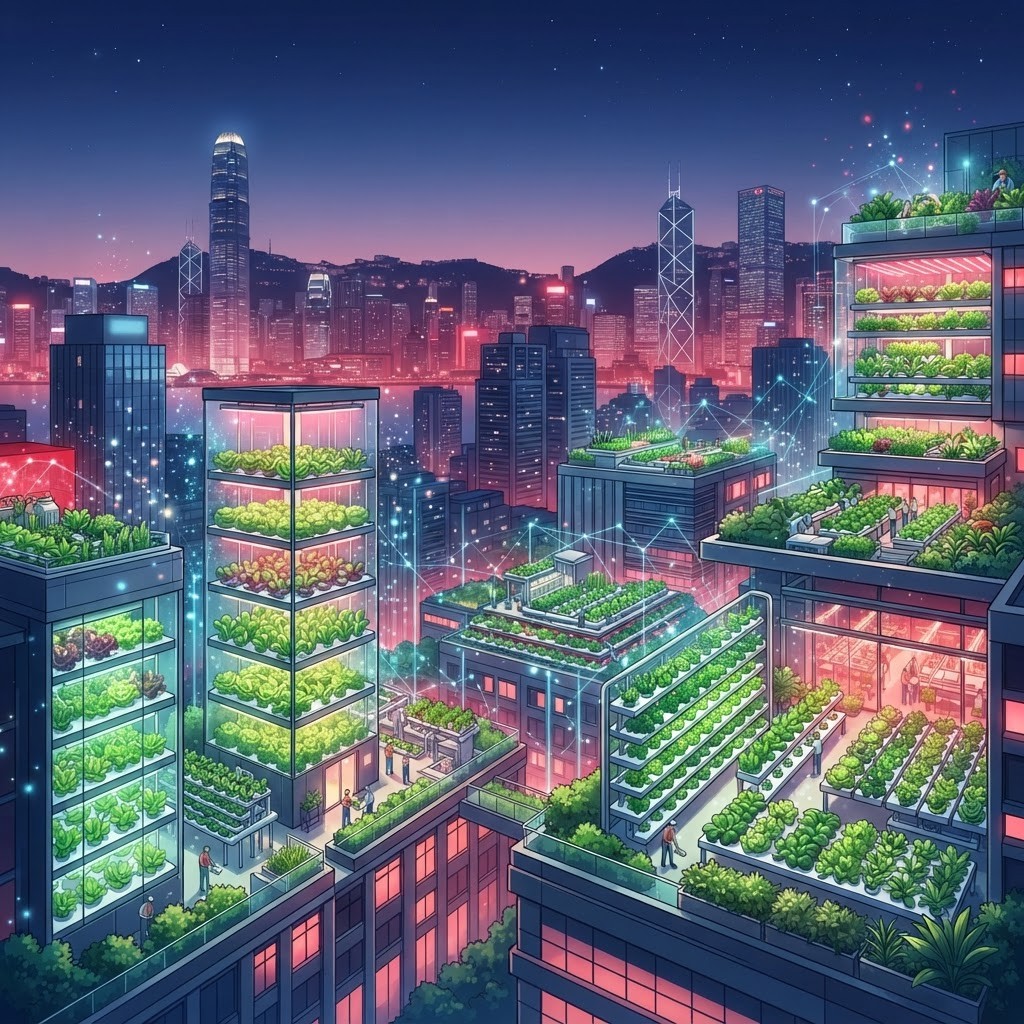
Farming in a Global City
Hong Kong is famous for its skyscrapers and harbour, but agriculture retains a meaningful and increasingly innovative presence. Though only a small fraction of land is dedicated to farming, a new generation of companies is reimagining what food production can look like in one of the world's most densely populated cities. From high-tech vertical farms in industrial buildings to organic plots in the New Territories, these enterprises are strengthening local food security and reconnecting residents with fresh produce.
The push toward local farming reflects broader concerns about supply-chain reliability, food safety, and sustainability. With most of its food imported, Hong Kong has embraced controlled-environment agriculture and community farming as ways to diversify supply and reduce dependence on external sources. This has created fertile ground for pioneering companies blending technology with traditional cultivation.
The Rise of Urban and High-Tech Agriculture
Modern farming in Hong Kong increasingly relies on hydroponics, aquaponics, and vertical growing systems that maximise yield in minimal space. These methods use less water, avoid pesticides, and allow year-round production regardless of weather. Alongside them, organic farms in rural districts supply premium vegetables to restaurants and health-conscious consumers, while rooftop gardens turn unused urban space into productive plots.
The Top 10 Farming Companies
1. Farm66. A pioneer of indoor vertical farming, Farm66 uses aquaponics and LED technology to grow vegetables sustainably within urban settings, widely recognised for its innovation in space-efficient agriculture.
2. Rooftop Republic. Specialising in urban farming solutions, Rooftop Republic designs and manages rooftop gardens across the city, promoting local food production and community engagement.
3. Gaia Association. Focused on organic and sustainable cultivation, Gaia supports eco-friendly farming practices and supplies fresh organic produce to local markets.
4. Zenmen Farm. Known for controlled-environment growing, Zenmen produces clean, pesticide-free greens with an emphasis on quality and consistency for retail and restaurant clients.
5. Common Farms. An indoor micro-farm operation, Common Farms grows microgreens and edible flowers for the culinary sector, prized by chefs for freshness and flavour.
6. O-Farm. A well-established organic farm in the New Territories, O-Farm offers fresh vegetables, farm experiences, and education programmes promoting sustainable living.
7. Fresh Farm HK. This company focuses on hydroponic vegetable production, delivering crisp, clean greens directly to consumers and food-service partners.
8. Kadoorie Farm. A landmark in conservation and sustainable agriculture, Kadoorie Farm combines farming, education, and biodiversity efforts, serving as a model for responsible land use.
9. Very Local Farm. Emphasising community-supported agriculture, Very Local connects nearby growers with residents, championing seasonal, locally grown produce.
10. Green Monday Farms. Aligned with a broader sustainability mission, this operation supports plant-based food production and local cultivation initiatives that promote healthier, greener diets.
Trends and Benefits of Local Farming
Several trends are propelling Hong Kong's farming sector forward. Consumer demand for traceable, pesticide-free produce is rising, rewarding companies that prioritise transparency and food safety. Technology adoption, from climate-controlled growing rooms to data-driven crop monitoring, is improving yields and consistency. Meanwhile, partnerships with restaurants and grocers are creating stable markets for locally grown food.
The benefits extend beyond fresh produce. Local farming reduces transport emissions, creates green jobs, supports biodiversity, and offers educational value for schools and communities. As climate concerns intensify, these advantages position local agriculture as an important contributor to a more resilient city.
The Road Ahead
Challenges remain, including limited land, high operating costs, and the need for skilled labour. Yet the momentum behind urban agriculture suggests a promising future. Continued innovation in vertical farming, growing consumer support for local produce, and increasing collaboration between growers and institutions all point toward expansion. Companies that combine efficiency with sustainability are best placed to thrive.
Connecting Communities to Their Food
One of the most valuable contributions of Hong Kong's farming companies is the way they reconnect city dwellers with the origins of their food. Farm visits, educational workshops, and community-supported agriculture schemes allow residents, especially children, to understand how vegetables are grown and why fresh, local produce matters. This cultural shift toward food awareness is fostering a more health-conscious and environmentally engaged population.
These initiatives also build resilience in less obvious ways. By nurturing a base of skilled growers and enthusiastic consumers, they create demand and expertise that can be scaled in times of need. During periods of supply-chain disruption, locally grown produce provides a valuable buffer, reminding the city of the strategic importance of maintaining domestic food-production capacity even in a highly urbanised environment.
Innovation as a Competitive Edge
The companies leading the sector treat innovation as central to their identity. Whether experimenting with new crop varieties, refining nutrient formulas for hydroponic systems, or integrating renewable energy into their operations, they continually push the boundaries of what urban agriculture can achieve. This spirit of experimentation not only improves efficiency and yields but also positions Hong Kong as a regional showcase for sustainable, technology-driven farming.
Conclusion
Farming in Hong Kong may operate on a modest scale, but its impact and ingenuity are significant. The companies profiled here demonstrate how technology, sustainability, and community spirit can flourish even in a hyper-urban environment. As the city seeks greater food resilience, these farming pioneers are cultivating not just crops but a more sustainable and self-reliant future.
