
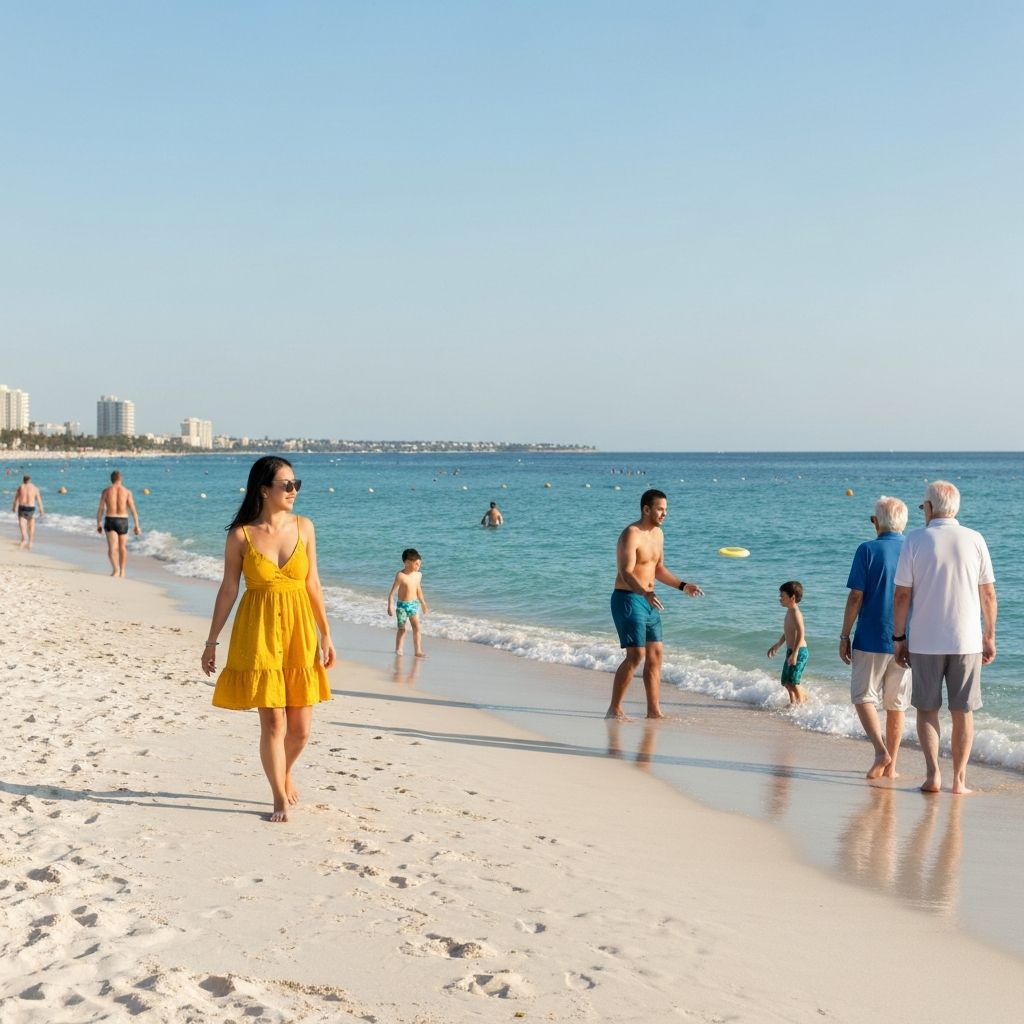
The Appeal of Easily Accessible Beaches
There is something magical about spontaneous beach trips. The sun is shining, the temperature is perfect, and you want nothing more than to feel the sand between your toes and hear the waves crashing on the shore. But for many people, getting to the beach involves a complicated logistical exercise that can drain all the joy from the experience. Long bus rides on crowded public transit, complicated transfer schedules, and the challenge of carrying all your beach gear on public transportation can turn a relaxing outing into a stressful ordeal.
Fortunately, there are countless beautiful beaches around the world that do not require a bus to reach. Whether you prefer walking, cycling, driving a short distance, or taking a train, there are options to suit every preference and location. This guide explores some of the best easily accessible beaches and provides tips for finding similar gems near your own home.
The key to finding beaches that do not require a bus is to think beyond the traditional tourist destinations. While famous beaches like Copacabana, Waikiki, and Bondi are wonderful, they are often located far from city centers and require significant travel to reach. Lesser-known beaches, urban waterfronts, and hidden coves can offer equally beautiful experiences with a fraction of the travel hassle.
Walkable Urban Beaches
Some of the world's most convenient beaches are located within walking distance of major urban centers. These walkable urban beaches offer the unique advantage of combining city amenities with seaside relaxation, allowing you to go from coffee shop to coastline in minutes.
Barcelona's Barceloneta Beach is a prime example. Located just a short walk from the city's Gothic Quarter, this lively beach stretches for over a kilometer along the Mediterranean coast. You can stroll from your hotel through the charming streets of the old city, stop for tapas along the way, and arrive at a beautiful sandy beach without ever setting foot on a bus. The beach is well-equipped with showers, changing facilities, and numerous beachfront restaurants and bars.
In the United States, cities like San Diego, Miami, and Santa Monica offer walkable beach access from their downtown areas. San Diego's Pacific Beach neighborhood, in particular, is a haven for beach lovers who want to live within walking distance of the ocean. The entire community is designed around beach access, with wide sidewalks, bike lanes, and pedestrian-friendly streets leading directly to the sand.
Tel Aviv's beaches are another excellent example of urban beach accessibility. The city's entire western edge is lined with beautiful Mediterranean beaches, all within walking distance of hotels, restaurants, and cultural attractions. The promenade that runs along the coast connects multiple beach areas and is popular with walkers, joggers, and cyclists.
Beaches Accessible by Train
For those who do not live within walking distance of a beach, trains offer a comfortable and convenient alternative to buses. Train travel eliminates the stress of traffic, provides more space for beach gear, and often offers scenic routes that enhance the overall experience.
The UK's coastline is particularly well-served by rail connections. Seaside towns like Brighton, Bournemouth, and Whitstable are all accessible by direct train from London, with journey times ranging from one to two hours. These destinations offer a delightful combination of traditional English seaside charm and beautiful natural settings, and the train stations are typically located within easy walking distance of the beach.
In Japan, the Enoshima and Kamakura areas south of Tokyo are famous beach destinations easily reached by train. The Enoden Line, a charming local railway, runs along the coast and stops at several popular beach areas. The journey from central Tokyo takes about an hour and is itself a memorable experience, with views of the ocean, traditional temples, and the iconic Great Buddha statue.
Australia's coastal cities also offer excellent train-to-beach connections. In Sydney, the Eastern Suburbs and Illawarra Line connects the city center to several popular beach suburbs, including Bondi Junction, which is a short bus or walk from Bondi Beach. In Melbourne, the Sandringham Line runs to several bayside beaches, offering a pleasant alternative to driving.
Beaches You Can Cycle To
Cycling to the beach combines exercise with recreation and eliminates the need for parking or public transportation. Many coastal areas have developed cycling infrastructure that makes biking to the beach a safe and enjoyable option.
The Netherlands, with its flat terrain and extensive cycling network, is perhaps the best country in the world for cycling to the beach. From cities like Amsterdam, The Hague, and Haarlem, well-maintained bike paths lead directly to the North Sea coast. The ride from central Amsterdam to Zandvoort beach takes about 30 minutes and passes through beautiful dune landscapes and nature reserves.
In California, the Marvin Braude Bike Trail, also known as The Strand, runs for 22 miles along the coast from Pacific Palisades to Torrance Beach. This dedicated cycling path passes through some of the most famous beach communities in the world, including Santa Monica, Venice Beach, Manhattan Beach, and Hermosa Beach. Riders can stop at any point along the route to enjoy the beach, grab a bite to eat, or simply take in the views.
Copenhagen's beaches are also highly accessible by bicycle. The city's extensive cycling infrastructure connects the urban center to several popular beaches, including Amager Strandpark, an urban beach park located just a 15-minute ride from the city center. The park features a lagoon, a long sandy beach, and facilities for swimming, kayaking, and windsurfing.
Short Drive Beaches
For those who have access to a car, many beautiful beaches are located within a short drive of major cities. The advantage of driving is the ability to bring more gear, visit beaches that are not served by public transportation, and explore at your own pace. Here are some destinations where a quick drive can take you from the city to the shore.
From Los Angeles, the beaches of Malibu are just a 30 to 45-minute drive along the Pacific Coast Highway, one of the most scenic drives in the world. El Matador State Beach, in particular, is a hidden gem that features dramatic sea stacks, caves, and a relatively uncrowded shoreline. The beach requires a short but steep descent from the parking area, which helps keep the crowds manageable.
From Cape Town, South Africa, some of the world's most beautiful beaches are within a 20-minute drive. Camps Bay and Clifton Beach, nestled beneath the Twelve Apostles mountain range, offer stunning scenery and crystal-clear water. Boulders Beach, famous for its colony of African penguins, is about a 40-minute drive from the city center.
In Southeast Asia, cities like Bangkok, Ho Chi Minh City, and Kuala Lumpur are all within a few hours' drive of beautiful coastal areas. While these may require a longer drive than some of the other examples, the destinations offer world-class beaches at a fraction of the cost of more touristy locations.
Tips for Finding Accessible Beaches Near You
No matter where you live, there are likely accessible beaches closer than you think. Here are some strategies for finding them. Use mapping applications to search for beaches, lakeshores, and riverbanks within a specific radius of your location. Many inland areas have beautiful freshwater beaches on lakes and reservoirs that are often overlooked in favor of ocean destinations.
Check local cycling and walking trail maps, as many trails lead to waterfront areas that are not well-publicized. Local outdoor recreation groups and hiking clubs can also be valuable sources of information about hidden beach spots. Social media platforms, particularly Instagram and local community groups, are excellent resources for discovering beaches that may not appear in traditional travel guides.
Consider expanding your definition of a beach. While a traditional sandy shoreline is the classic image, rocky coasts, pebbly shores, and grassy riverbanks can all provide wonderful waterside experiences. Some of the most beautiful and peaceful spots are those that do not fit the conventional beach mold but offer the same combination of water, nature, and relaxation.
