
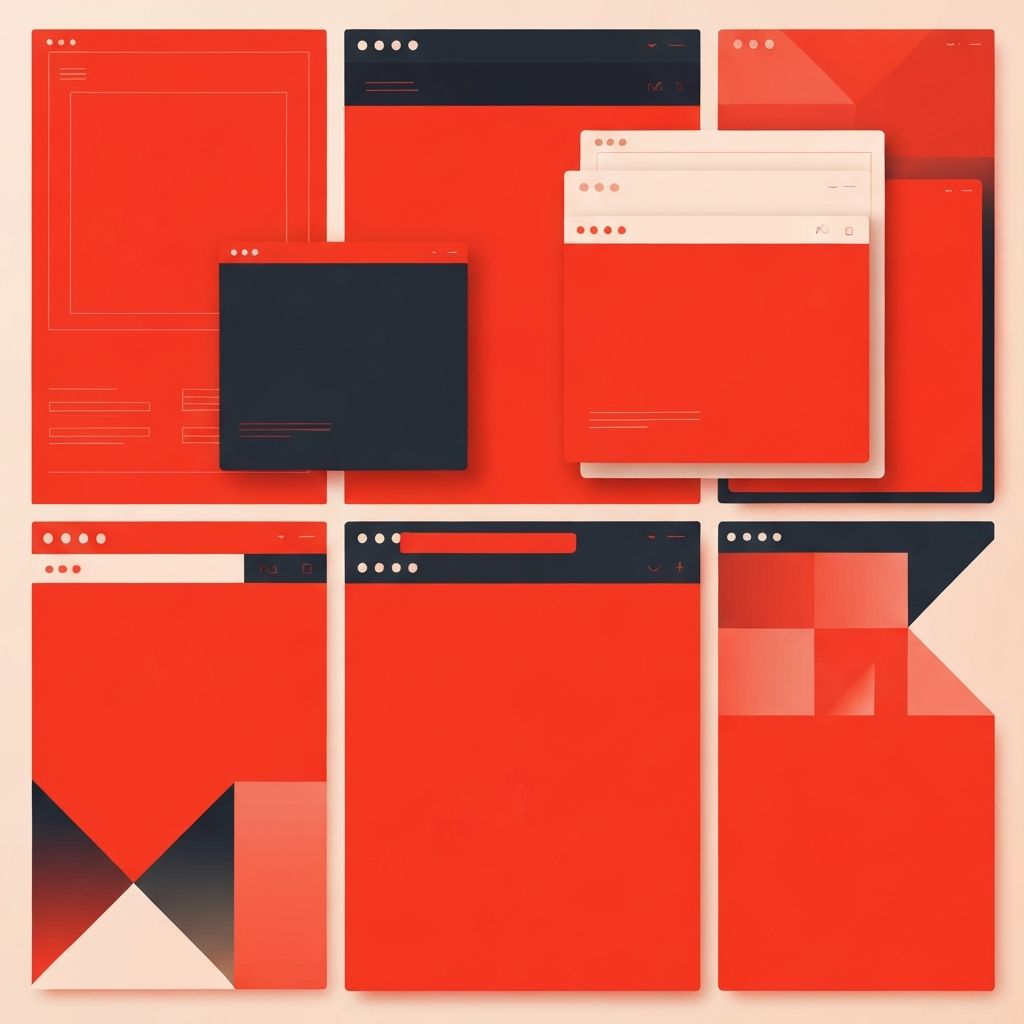
Understanding the Role of Architecture Web Design Templates
Architecture web design templates have become a popular entry point for studios that want a polished online presence without the cost and timeline of a fully custom build. These templates package the visual sensibilities common in the field, including generous white space, refined typography, and immersive image galleries, into a structure that can be deployed quickly. For emerging practices, solo architects, and studios in transition, they offer a practical way to put a confident foot forward online.
That said, templates are not a universal solution. Their strengths and limitations need to be understood clearly before committing. Used wisely, they accelerate launch and reduce risk. Used carelessly, they can produce a site that feels indistinguishable from competitors and that struggles to grow with the practice.
How AAMAX.CO Supports Template-Based Projects
For studios that want the speed of a template with the polish of a custom build, AAMAX.CO is a full-service digital marketing company that offers web development, digital marketing, and SEO services worldwide. Their team helps architecture practices select the right template, customize it thoughtfully, and integrate the marketing and SEO foundations needed to drive real results. They treat templates as a starting point rather than a finish line, ensuring the final site reflects the unique character of the studio.
What Sets a Quality Architecture Template Apart
Not all templates are created equally. The best architecture templates prioritize clean structural code, semantic HTML, and well-considered defaults over flashy effects. They include layouts specifically designed for project portfolios, with options for full-bleed images, captioned galleries, and detailed project pages that accommodate plans, sections, and narrative content.
Quality templates also offer thoughtful typography pairings, balanced spacing systems, and accessible color palettes. They support modern browsers, render well on mobile devices, and avoid heavy reliance on third-party plugins that may break over time. A template that follows current website design best practices is far easier to customize and maintain.
Customization That Avoids the Cookie Cutter Look
The biggest risk with any template is that it looks like a template. Avoiding that fate requires meaningful customization rather than surface-level color swaps. The most impactful changes are typography, photography, and content. Replacing default fonts with a refined pairing, commissioning or curating high-quality project photography, and writing project narratives in the studio's own voice can transform a generic layout into a distinctive site.
Beyond content, small structural adjustments also help. Adjusting grid behavior, spacing, and module choices to favor the studio's strongest project types creates a more focused experience. The goal is not to redesign the template entirely but to bend it toward the practice it represents.
Performance, SEO, and Maintenance Considerations
Templates can ship with bloat. Unused features, demo content, and excessive scripts can slow the site and dilute its SEO performance. A careful audit at the start of customization removes anything unnecessary and tightens the foundation. Image optimization, caching, and a clean metadata strategy further improve speed and search visibility.
Maintenance is another important factor. Templates depend on themes, frameworks, and plugins that need to be updated regularly. Choosing templates from reputable providers with active support reduces the risk of long-term issues and security vulnerabilities.
Content Strategy for Template Sites
A template provides slots, but content fills them. Architecture studios that succeed with template-based sites invest deliberately in content. That means writing concise, thoughtful project descriptions, curating images that read well at template-defined sizes, and producing supporting content such as essays, press, and team biographies that bring the studio to life.
A clear content plan also makes it easier to launch the site without delays. Many template projects stall because content is not ready, not because the design is incomplete. Treating content as a parallel workstream from day one keeps everything on schedule.
When to Move Beyond a Template
Templates are an excellent fit for early-stage practices, marketing campaigns, project microsites, and studios with focused needs. As a practice grows, however, the limitations of a template can start to constrain the brand. Highly specific interactions, complex integrations, multilingual structures, and unique visual identities are often better served by custom development.
Many studios begin with a template and graduate to a custom solution once their needs and resources expand. Approaching the template as an evolving platform rather than a permanent destination helps the practice plan for that transition with confidence and continuity.
Final Thoughts on Architecture Templates
Architecture web design templates can be a smart, strategic choice when approached with discipline. They lower the barrier to a professional web presence, accelerate launch, and free time and budget for content, photography, and marketing. With careful selection, thoughtful customization, and a clear content plan, a template-based site can serve a practice well for years before any major redesign becomes necessary.
