
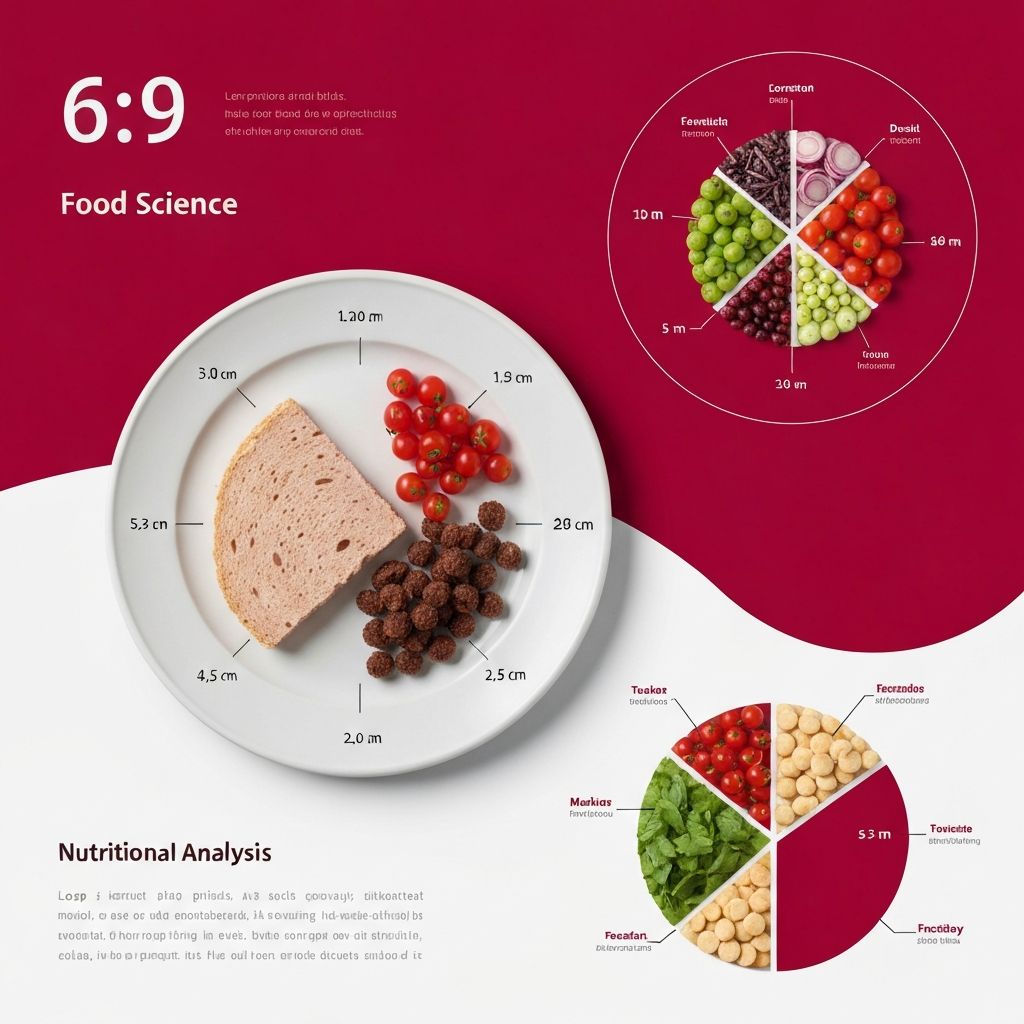
Understanding the Percentage of Food Eaten
The percentage of food eaten is a deceptively simple metric that carries enormous significance across multiple fields, from nutrition and healthcare to food service management and environmental sustainability. At its core, this number represents the proportion of food served or available that is actually consumed. While it may seem like a straightforward calculation, the insights it provides are far-reaching and profoundly useful for making informed decisions about diet, health, food waste, and resource management.
Whether you're a dietitian tracking a patient's intake, a restaurant manager analyzing plate waste, a school food service director evaluating menu acceptance, or a sustainability researcher measuring food waste, the percentage of food eaten gives you a standardized, comparable, and actionable metric that can drive meaningful change. This article explores why this number is so valuable and how it is used across different contexts.
A Standardized and Comparable Metric
One of the primary reasons the percentage of food eaten is such a useful number is that it's standardized. Unlike absolute quantities, which can vary widely depending on portion sizes, serving methods, and individual appetites, a percentage provides a relative measure that can be compared across different settings, populations, and time periods.
For example, saying that a patient ate 150 grams of food doesn't tell you much without knowing how much food was served. But saying that a patient ate 75% of their meal immediately communicates that three-quarters of the food was consumed and one-quarter was not. This standardization makes it possible to compare food intake across patients, meals, days, and facilities, providing a consistent framework for assessment and analysis.
In research settings, this comparability is essential for drawing meaningful conclusions. Studies comparing food intake across different populations, dietary interventions, or environmental conditions rely on percentage-based metrics to normalize their data and account for differences in serving sizes and food types.
Applications in Clinical Nutrition
In healthcare settings, the percentage of food eaten is a critical tool for monitoring patient nutrition. Hospitals, nursing homes, and long-term care facilities routinely track how much of their meals patients consume, using this information to assess nutritional adequacy, identify patients at risk of malnutrition, and make adjustments to dietary plans.
When a patient consistently eats less than 50% of their meals, it's a red flag that they may not be receiving adequate nutrition to support healing, maintain body weight, or fight infection. Healthcare providers can use this information to investigate the underlying causes, whether they are physical (such as difficulty swallowing or nausea), psychological (such as depression or anxiety), or related to food quality and preferences, and take appropriate action.
The percentage-based approach is particularly valuable in these settings because it accounts for the fact that different patients receive different portion sizes based on their caloric needs, dietary restrictions, and medical conditions. A patient on a 1,200-calorie diet who eats 80% of their meals is in a very different situation from a patient on a 2,500-calorie diet who eats 80%. But in both cases, the percentage provides a meaningful benchmark for assessing whether the patient is meeting their nutritional goals.
Food Service and Menu Planning
In the food service industry, the percentage of food eaten is a valuable metric for evaluating menu acceptance and reducing waste. School cafeterias, corporate dining facilities, military mess halls, and institutional food services all use plate waste studies to determine which menu items are popular and which are being rejected.
If a particular dish consistently has a low percentage of food eaten, say 40%, it suggests that the item isn't appealing to the diners. This information can be used to modify recipes, adjust portion sizes, replace unpopular items, or change preparation methods. Conversely, items with a high percentage of food eaten are clearly winners that should remain on the menu.
This data-driven approach to menu planning helps food service operations optimize their offerings, reduce waste, control costs, and improve customer satisfaction. Rather than relying on anecdotal feedback or subjective assessments, the percentage of food eaten provides objective, quantifiable data that can guide decision-making.
Environmental Sustainability and Food Waste
Food waste is one of the most pressing environmental challenges of our time. According to the United Nations, approximately one-third of all food produced globally is wasted, contributing to greenhouse gas emissions, water waste, and land degradation. The percentage of food eaten is a key metric in efforts to measure and reduce this waste.
By tracking the percentage of food eaten at different stages of the supply chain, from production and processing to retail and consumer consumption, researchers and policymakers can identify where waste is occurring and develop targeted interventions. At the consumer level, understanding the percentage of food eaten at home versus the percentage that is thrown away can motivate behavioral changes and inform public awareness campaigns.
Restaurants and food service operations that track their plate waste percentages can implement strategies to reduce waste, such as offering smaller portion sizes, allowing customers to customize their orders, improving food storage and preparation practices, and donating surplus food to charitable organizations. These efforts not only benefit the environment but also improve the bottom line by reducing food costs.
Nutritional Research and Dietary Assessment
In nutritional research, accurately measuring food intake is one of the most challenging aspects of studying diet and health. Self-reported dietary data is notoriously unreliable, as people tend to underestimate their calorie intake and overestimate their consumption of healthy foods. The percentage of food eaten provides a more objective measure that can supplement or validate self-reported data.
In controlled feeding studies, where researchers provide all meals and snacks, tracking the percentage of food eaten allows for precise calculation of actual nutrient intake. This precision is essential for studies investigating the relationships between specific nutrients and health outcomes, as even small errors in intake measurement can lead to erroneous conclusions.
The metric is also used in population-level dietary surveys, where researchers assess the food intake of large groups to identify nutritional trends, deficiencies, and excesses. By expressing intake as a percentage of recommended amounts, researchers can quickly identify populations that are falling short of or exceeding nutritional guidelines.
Behavioral Insights and Psychology
The percentage of food eaten also provides valuable insights into eating behavior and psychology. Research has shown that factors such as plate size, food presentation, dining environment, social context, and portion size all influence how much food people eat. By measuring the percentage of food eaten under different conditions, researchers can quantify the impact of these factors and develop strategies for promoting healthier eating habits.
For example, studies have demonstrated that people eat a higher percentage of food when it's served on smaller plates, a phenomenon known as the Delboeuf illusion. Similarly, research has shown that people tend to eat more when dining with others, when food is easily accessible, and when they are distracted. Understanding these behavioral patterns through percentage-based measurements can inform public health interventions and help individuals make more mindful eating choices.
Why Percentages Work Better Than Absolute Numbers
Absolute measures of food intake, such as grams or calories consumed, are certainly important, but they don't tell the whole story. Without context, knowing that a person ate 500 calories at lunch doesn't reveal whether that represents their entire meal or just a fraction of it. The percentage of food eaten provides that crucial context, making it a more informative and actionable metric.
Percentages are also more intuitive and easier to communicate. Telling a patient that they ate 60% of their dinner is immediately understandable, even to someone with no background in nutrition. This simplicity makes the metric accessible to a wide range of stakeholders, from healthcare workers and food service managers to patients, parents, and policymakers.
Conclusion
The percentage of food eaten is a powerful, versatile, and practical metric that serves as a common language across nutrition, healthcare, food service, environmental sustainability, and behavioral research. Its strength lies in its simplicity, standardization, and comparability, qualities that make it an indispensable tool for anyone seeking to understand, measure, and improve food consumption patterns. Whether the goal is to nourish a patient, reduce waste, design better menus, or promote healthier eating habits, the percentage of food eaten provides a clear, actionable number that drives better decisions and better outcomes.
