
A City Steeped in Culinary History
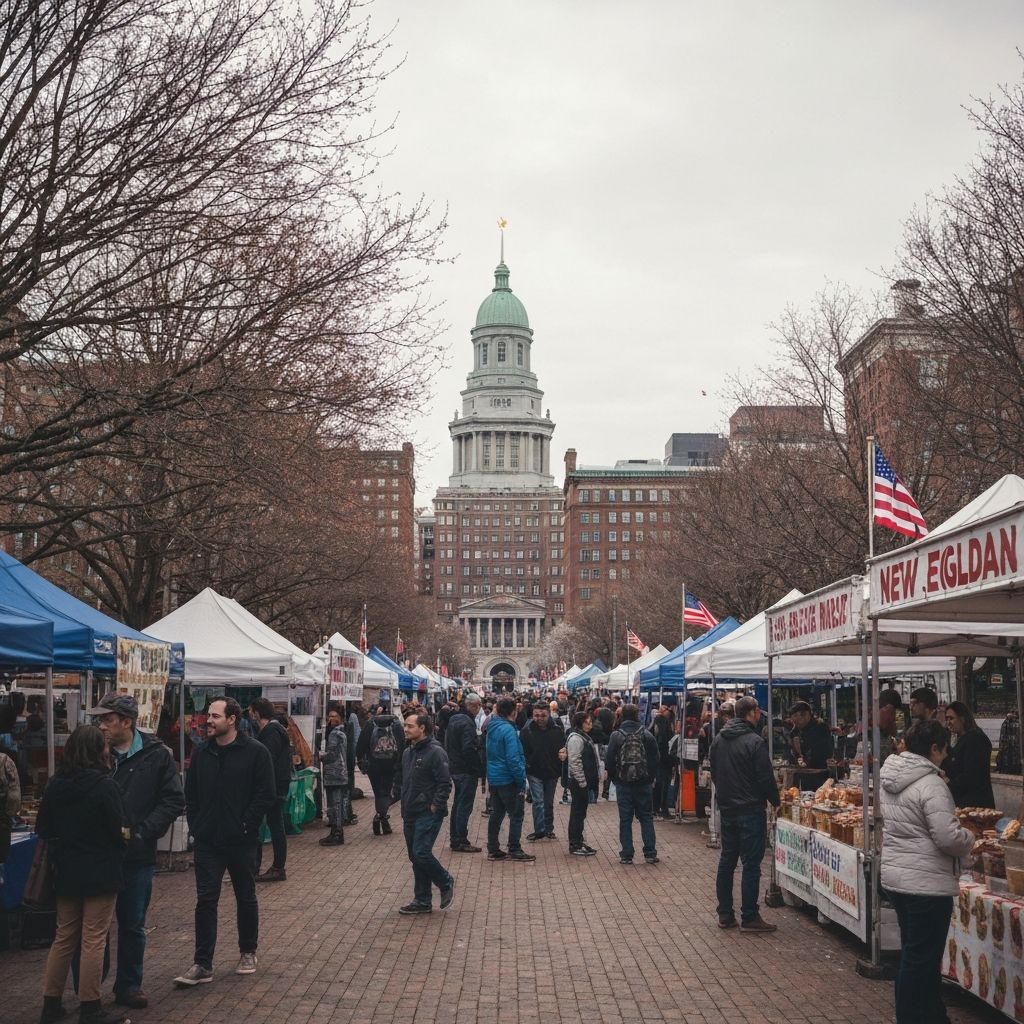
Boston, Massachusetts, is one of America's oldest cities, and its food culture is as rich and layered as its storied past. From the cobblestone streets of the North End to the bustling stalls of Faneuil Hall, every corner of this city tells a delicious story. Boston's cuisine is deeply influenced by its coastal location, its immigrant communities, and its role in American history. Whether you're a first-time visitor or a lifelong resident, understanding what food Boston is known for gives you a deeper appreciation for the city's identity.
The culinary scene in Boston is a blend of old-world tradition and modern innovation. While trendy restaurants and fusion cuisine have found their place here, it's the classic, time-tested dishes that truly define the city. These are the foods that have been served for generations, the recipes passed down through families, and the flavors that locals hold dear. Let's take a deep dive into the iconic foods that have put Boston on the gastronomic map.
New England Clam Chowder: The Crown Jewel
If there's one dish that is synonymous with Boston, it's New England clam chowder. This thick, creamy soup is made with fresh clams, potatoes, onions, celery, and salt pork or bacon, all simmered in a rich, velvety base of cream and butter. Unlike its thinner, tomato-based cousin from Manhattan, Boston's version is unapologetically indulgent.
The origins of clam chowder in New England date back to the early 18th century, when French, Nova Scotian, and British settlers combined their cooking traditions with the abundant shellfish found along the coast. Today, nearly every restaurant in Boston offers its own version, and locals take fierce pride in their favorite spots. The annual Chowderfest at the Boston Harbor is a testament to just how seriously the city takes this dish.
What makes a truly great clam chowder? It starts with the clams themselves, which should be fresh and briny, ideally quahogs or cherrystones harvested from the cold Atlantic waters. The potatoes should be tender but not mushy, and the broth should be thick enough to coat the back of a spoon without being gluey. A dash of black pepper and a few oyster crackers on top complete the experience.
Lobster Rolls: A Taste of the Coast
Boston's proximity to the Atlantic Ocean means that lobster is never far from the menu. The lobster roll, in particular, has become one of the city's most beloved culinary exports. A classic New England lobster roll features chunks of sweet, tender lobster meat tossed in a light coating of mayonnaise, sometimes with a squeeze of lemon and a pinch of celery, all served in a buttered and toasted split-top hot dog bun.
The beauty of the lobster roll lies in its simplicity. The lobster is the star, and everything else is designed to complement rather than compete with its natural sweetness. Some purists insist on cold lobster with mayo, while others prefer the Connecticut style, which features warm lobster drenched in melted butter. In Boston, you'll find both variations, and the debate over which is superior is a lively one.
Popular spots for lobster rolls in Boston include Neptune Oyster in the North End, where the line often stretches out the door, and James Hook & Co., a waterfront shack that has been serving lobster since 1925. Prices can be steep, as fresh lobster is a premium ingredient, but most visitors agree that a lobster roll in Boston is an experience worth every penny.
Boston Baked Beans: The City's Namesake Dish
Boston is often called "Beantown," and for good reason. Boston baked beans are one of the city's oldest and most iconic dishes, dating back to the colonial era. The dish consists of navy beans slow-cooked with molasses, salt pork, mustard, and sometimes brown sugar, resulting in a sweet, savory, and deeply satisfying side dish.
The origins of Boston baked beans are tied to the city's Puritan roots. Because cooking on the Sabbath was forbidden, housewives would prepare a pot of beans on Saturday and let them slow-cook overnight, ready to be eaten on Sunday. The molasses used in the recipe was a key ingredient in colonial Boston, as the city was a major hub in the molasses trade. This connection to the molasses trade, and the subsequent Great Molasses Flood of 1919, adds an almost mythical quality to this humble dish.
Today, Boston baked beans remain a staple at local restaurants and are often served alongside brown bread, another traditional Boston food. While canned versions are available nationwide, nothing compares to a homemade pot of beans that has been slow-cooked for hours until the sauce is thick, glossy, and caramelized.
Boston Cream Pie: A Legendary Dessert
Despite its name, Boston cream pie is actually a cake, and it holds the distinction of being the official dessert of Massachusetts. Created in 1856 at the Parker House Hotel (now the Omni Parker House), this iconic dessert consists of two layers of golden sponge cake filled with a thick, creamy vanilla custard and topped with a rich chocolate ganache glaze.
The Boston cream pie was one of the first cakes to feature a custard filling, and its creation marked a turning point in American baking. The Parker House Hotel, which also gave the world Parker House rolls, was a hotbed of culinary innovation in the 19th century. The cake became so popular that it inspired countless variations, including Boston cream doughnuts, which can be found at Dunkin' Donuts locations everywhere.
For the most authentic experience, visitors should head to the Omni Parker House, where the original recipe is still served. The cake is rich without being overly sweet, and the contrast between the fluffy sponge, the silky custard, and the bittersweet chocolate is nothing short of perfection.
Cannoli and the Italian Influence
Boston's North End is one of the most famous Italian-American neighborhoods in the country, and its bakeries are legendary. At the center of this culinary tradition is the cannoli, a crispy fried pastry shell filled with sweetened ricotta cheese, often studded with chocolate chips or candied fruit and dusted with powdered sugar.
The rivalry between Mike's Pastry and Modern Pastry is one of Boston's most enduring food debates. Both shops have been serving cannoli for decades, and each has its passionate loyalists. Mike's is known for its larger, more decadent cannoli with a variety of filling flavors, while Modern is praised for its more traditional, lighter approach. Whichever side you choose, a stroll through the North End with a cannoli in hand is a quintessential Boston experience.
Other Must-Try Boston Foods
Beyond these iconic dishes, Boston offers a wealth of other culinary treasures. Parker House rolls, soft and buttery dinner rolls that originated at the same hotel as the Boston cream pie, are a staple at fine dining establishments. Fish and chips, reflecting the city's British colonial heritage, can be found at numerous pubs and seafood restaurants. Indian pudding, a warm, spiced cornmeal dessert sweetened with molasses, is one of the oldest American desserts and is still served at historic restaurants like Durgin-Park.
The city's seafood scene extends well beyond lobster and chowder. Oysters from nearby Wellfleet and Duxbury are prized by seafood lovers, and a raw bar experience in Boston is second to none. Fried clams, another New England classic, are best enjoyed at casual waterfront spots where they come hot and crispy, served with tartar sauce and a wedge of lemon.
Boston's food truck scene and craft brewery movement have also added new dimensions to the city's culinary landscape. From gourmet grilled cheese sandwiches to innovative craft beers brewed in neighborhoods like Jamaica Plain and the Seaport District, there's always something new to discover in this ever-evolving food city.
Final Thoughts
Boston's food scene is a reflection of its history, its geography, and its people. The city's iconic dishes, from clam chowder and lobster rolls to baked beans and Boston cream pie, are more than just meals. They're cultural artifacts that tell the story of a city that has been shaped by immigrants, innovators, and a deep connection to the sea. Whether you're savoring a cannoli in the North End or slurping chowder by the waterfront, eating in Boston is an experience that nourishes both the body and the soul.
